Walk 3 Miles: Time Estimates from Experts
Walking is one of the most accessible forms of physical activity, requiring no special equipment or gym membership. Whether you’re planning a leisurely stroll through your neighborhood, training for a hiking expedition, or simply looking to increase your daily step count, understanding how long it takes to walk 3 miles is essential for planning your time effectively. The answer, however, isn’t as straightforward as you might think. Multiple factors influence walking speed and total duration, including fitness level, terrain, weather conditions, age, and overall health status.
In this comprehensive guide, we’ll break down the variables that affect walking pace, provide expert-backed time estimates for different walking speeds, and help you determine realistic goals for your own walking routine. We’ll also explore how various conditions can impact your journey and offer practical tips to optimize your walking experience. By the end, you’ll have a clear understanding of what to expect when tackling a 3-mile walk and how to adjust your expectations based on your individual circumstances.
Average Walking Speed and Time Estimates
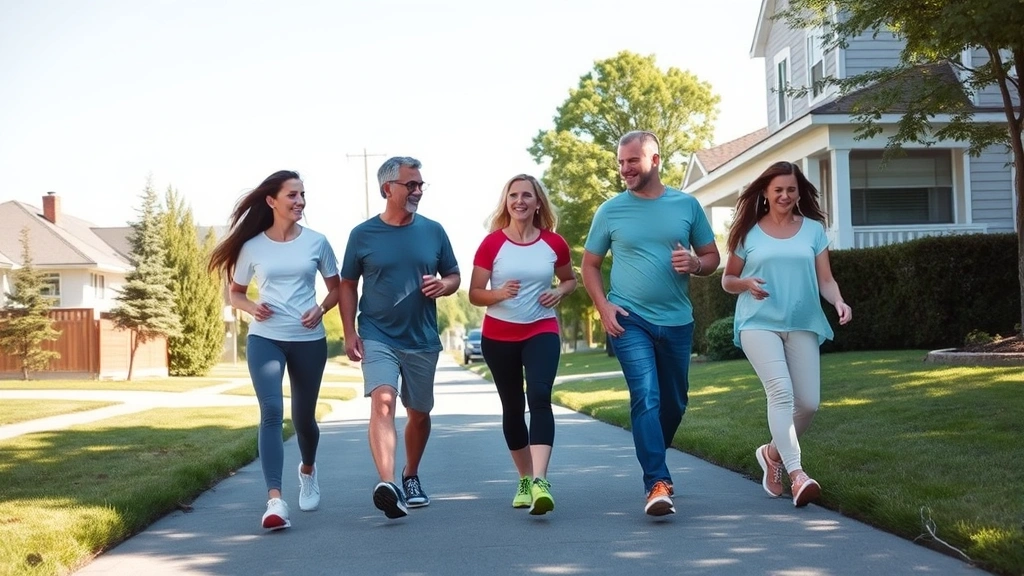
According to the American Heart Association, the average walking speed for most adults ranges from 3 to 4 miles per hour (mph). This moderate pace is considered healthy and sustainable for extended periods. At this speed, you can expect to complete a 3-mile walk in approximately 45 to 60 minutes.
However, walking speeds can vary significantly. A leisurely pace of 2 mph would result in a 90-minute walk for 3 miles, while a brisk walk at 4 mph would take just 45 minutes. Speed walkers and experienced hikers who maintain a pace of 4.5 to 5 mph could complete the distance in 36 to 40 minutes. For those just beginning an exercise routine or recovering from injury, a slower pace of 2 to 2.5 mph is perfectly acceptable and still provides significant health benefits.
The CDC recommends that adults engage in at least 150 minutes of moderate-intensity aerobic activity per week. A 3-mile walk at a moderate pace contributes meaningfully to this goal and can be incorporated into your weekly routine multiple times.
Factors That Affect Walking Duration
Several variables influence how long your 3-mile walk will take. Understanding these factors helps you set realistic expectations and plan accordingly. Just as you would carefully plan a DIY basement finishing project by accounting for all variables, walking requires similar consideration of multiple elements.
Personal Fitness Level: Your cardiovascular fitness directly impacts walking speed. Individuals who exercise regularly can maintain faster speeds with less effort, while those new to walking may need to start slower and build endurance gradually.
Walking Purpose: Whether you’re walking for exercise, transportation, or leisure significantly affects pace. Exercise-focused walks typically occur at faster speeds than casual neighborhood strolls.
Route Planning: The specific path you choose matters enormously. A flat, paved route through urban areas will allow faster walking than a nature trail with uneven surfaces.
Weather Conditions: Heat, humidity, cold, and precipitation all influence walking speed. Extreme temperatures require slower paces to maintain safety and comfort.
Hydration and Nutrition: Proper fueling before and during your walk affects energy levels and sustained performance over the full distance.
Footwear and Clothing: Appropriate walking shoes with good support and breathable clothing enhance comfort and efficiency, allowing you to maintain better pace.
Rest Stops: Breaks for water, stretching, or simply catching your breath will extend your total time. Many walkers benefit from short rest intervals during longer distances.
Walking Pace by Fitness Level
Different fitness levels require different expectations for 3-mile walks. Recognizing where you fall on this spectrum helps prevent injury and frustration while building sustainable habits.
Beginner Walkers: Those new to regular walking or returning after a period of inactivity should aim for 2 to 2.5 mph. At this pace, a 3-mile walk takes 72 to 90 minutes. This slower speed allows your body to adapt to increased activity, builds base fitness, and reduces injury risk. Beginners should focus on consistency rather than speed, aiming to walk three times weekly before increasing duration or intensity.
Intermediate Walkers: After four to eight weeks of regular walking, most people can comfortably maintain 3 to 3.5 mph. This moderate pace completes 3 miles in 51 to 60 minutes and provides solid cardiovascular benefits. Intermediate walkers can begin incorporating hills and varied terrain while maintaining this speed range.
Advanced Walkers: Those with established fitness habits can sustain 4 to 4.5 mph, completing 3 miles in 40 to 45 minutes. This brisk pace elevates heart rate into the moderate-intensity aerobic zone, maximizing health benefits. Advanced walkers can handle challenging terrain and longer distances without excessive fatigue.
Speed Walkers and Athletes: Competitive speed walkers maintain 5 mph or faster, completing 3 miles in under 40 minutes. This requires significant training and technique refinement but represents the upper limit of walking performance.
Terrain and Environmental Impact
The surface you walk on dramatically affects your pace and total time. Just as construction projects require assessment of site conditions before beginning work, understanding your walking terrain is crucial for accurate time estimates.
Flat Paved Surfaces: Sidewalks, paved paths, and flat roads allow maximum speed with minimal effort. These surfaces enable most walkers to achieve their target pace without additional energy expenditure. You can expect to maintain your standard walking speed on these routes.
Hills and Elevation Changes: Uphill sections significantly reduce walking speed, sometimes by 25 to 50 percent depending on grade steepness. A gentle hill might reduce your 3 mph pace to 2.5 mph, while steep terrain could slow you to 1.5 to 2 mph. Downhill sections may allow slightly faster speeds but increase joint impact, so caution is warranted. A 3-mile route with substantial elevation changes might take 75 to 90 minutes instead of 60 minutes on flat ground.
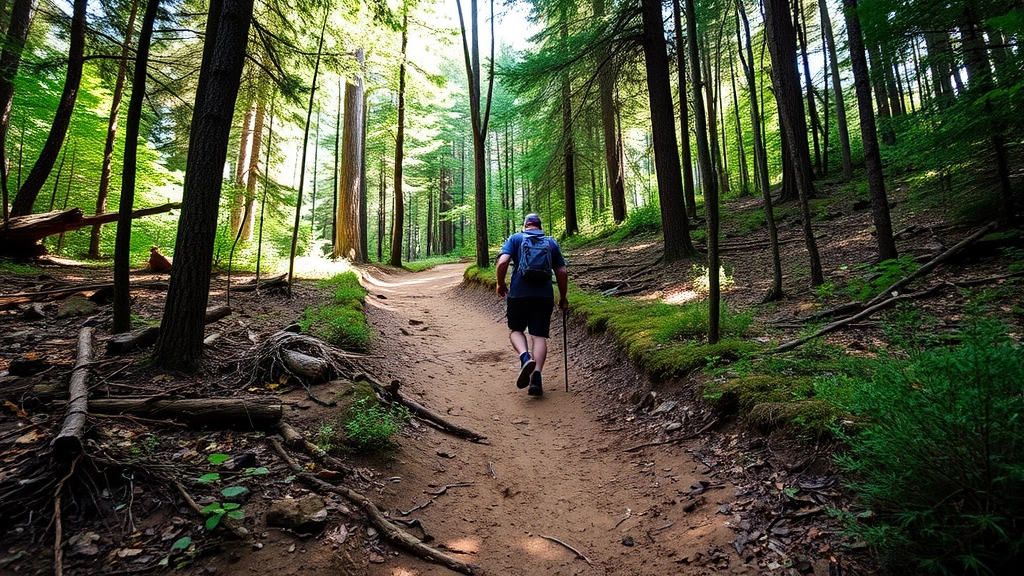
Natural Terrain: Trails with grass, dirt, gravel, or uneven surfaces require more attention and energy to navigate safely. These terrains reduce speed by 10 to 30 percent compared to paved surfaces. Expect a 3-mile nature walk to take 60 to 75 minutes depending on surface conditions.
Weather and Seasonal Factors: Rain, snow, ice, and extreme temperatures all impact walking speed. Wet or icy conditions reduce pace by 20 to 40 percent for safety reasons. Heat and humidity may slow pace by 10 to 20 percent as your body works harder to maintain temperature regulation. Plan accordingly and don’t hesitate to reduce pace when conditions warrant it.
Urban vs. Rural Routes: Urban walks often require stops at traffic signals, crossing streets, and navigating obstacles, adding 5 to 15 minutes to total time. Rural routes with clear paths allow more continuous walking and potentially faster overall pace.
Age and Health Considerations
Age significantly influences walking speed and capacity. Understanding age-related changes helps set appropriate expectations and maintain motivation.
Children and Teens: Young people typically walk faster than adults, often exceeding 4 mph. However, their attention spans may limit continuous walking distance. A 3-mile walk for children might take 40 to 50 minutes of actual walking time, plus additional time for breaks and exploration.
Young Adults (20-40): This age group generally achieves the fastest walking speeds, ranging from 3.5 to 5 mph. Most can complete 3 miles in 36 to 51 minutes depending on fitness level and effort.
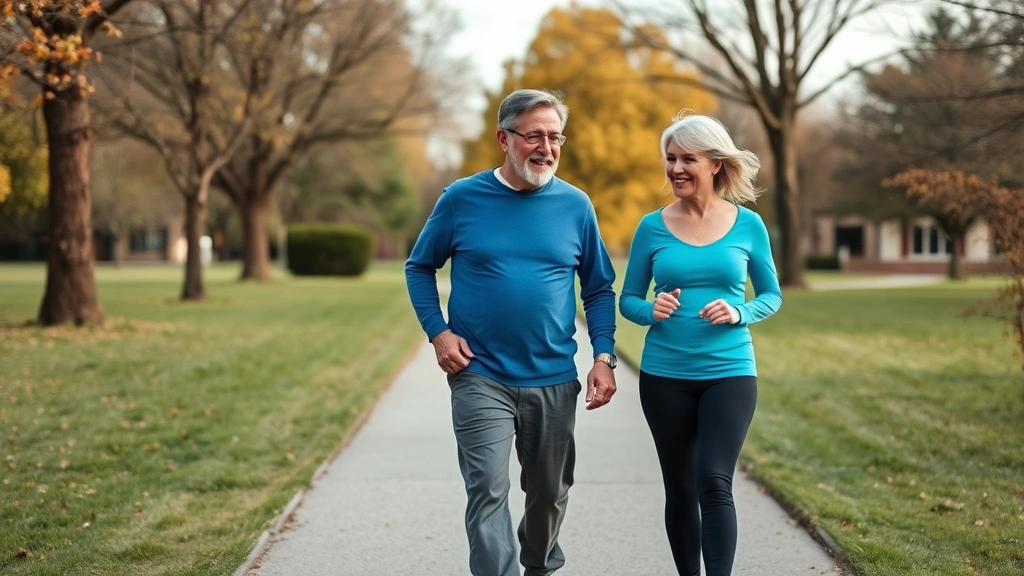
Middle-Aged Adults (40-65): Walking speeds typically range from 3 to 4 mph, with 3 miles taking 45 to 60 minutes. Regular exercise helps maintain speeds at the higher end of this range.
Older Adults (65+): Walking speeds generally decline with age, averaging 2.5 to 3.5 mph. A 3-mile walk might take 51 to 72 minutes. However, regular walking maintains mobility and independence, and many active seniors achieve impressive walking speeds.
Health Conditions: Arthritis, joint problems, heart conditions, and other health issues may require slower paces. Always consult healthcare providers before starting new exercise routines. Modified walking programs can provide benefits while respecting physical limitations.
Training and Preparation Tips
Building capacity for consistent 3-mile walks requires proper preparation and progressive training. Much like planning DIY car cleaning requires gathering proper supplies, successful walking requires adequate preparation.
Start Gradually: If new to walking, begin with 1-mile walks at a comfortable pace. After one to two weeks, extend to 1.5 miles. Progress to 2 miles, then 2.5 miles before attempting the full 3 miles. This gradual progression prevents injury and builds sustainable habits.
Invest in Proper Footwear: Quality walking shoes with adequate cushioning and arch support reduce injury risk and improve comfort. Visit specialty shoe stores for gait analysis to find shoes matching your walking style.
Establish a Consistent Schedule: Walking three to four times weekly builds fitness more effectively than sporadic long walks. Consistency matters more than individual walk duration.
Warm Up and Cool Down: Begin walks with five minutes of easy walking to warm muscles. End with five minutes of slower walking and gentle stretching to promote recovery.
Stay Hydrated: Drink water before, during, and after walks. For walks exceeding 60 minutes, bring water along the route.
Track Progress: Use a fitness app or simple log to record walk dates, times, distances, and how you felt. This documentation provides motivation and reveals patterns in your performance.
Vary Your Routes: Different paths prevent boredom and work different muscle groups. Mix flat routes with hilly terrain as fitness improves.
Tracking Your Progress
Monitoring your walking performance helps maintain motivation and identify improvements over time. Several methods can track your 3-mile walks effectively.
Smartphone Apps: Applications like Strava, MapMyWalk, and Fitbit track distance, pace, elevation, and calories burned. These apps provide detailed data and allow you to compare performances across multiple walks.
Fitness Trackers: Wearable devices monitor heart rate, steps, distance, and pace continuously. They provide real-time feedback during walks and summary data afterward.
Manual Tracking: A simple notebook recording walk date, time, distance, pace, and personal notes works effectively. Many people find the act of writing motivating and reflective.
Timed Routes: Identify a consistent 3-mile route and periodically time yourself completing it. Note improvements in completion time as fitness increases.
Pace Zones: Monitor which pace feels sustainable for different durations. As fitness improves, your comfortable pace increases without feeling harder.
The American Council on Exercise recommends tracking intensity levels using heart rate or perceived exertion. A moderate-intensity walk should elevate your heart rate to 50 to 70 percent of maximum, allowing conversation but not singing.
FAQ
How long does it take an average person to walk 3 miles?
For an average adult maintaining a moderate pace of 3 to 4 mph, a 3-mile walk takes approximately 45 to 60 minutes. This timeframe applies to most people engaging in regular physical activity on flat, paved surfaces.
Can I walk 3 miles in 30 minutes?
Walking 3 miles in 30 minutes requires maintaining 6 mph, which is a running pace rather than walking. Most people cannot sustain this speed while walking. However, experienced speed walkers might complete 3 miles in 36 to 40 minutes with dedicated training.
Is walking 3 miles daily healthy?
Walking 3 miles daily is excellent for health. At a moderate pace, this provides approximately 45 to 60 minutes of daily activity, exceeding CDC recommendations for physical activity. Ensure you’re not overtraining by listening to your body and allowing rest days.
What pace should beginners walk?
Beginners should start with 2 to 2.5 mph, which feels conversational and sustainable. Focus on consistency and gradual distance increases rather than speed. After four to eight weeks, most beginners can comfortably increase to 3 mph.
How does age affect walking speed?
Walking speed typically declines with age, though regular exercise helps maintain faster paces. Older adults generally walk slower than younger adults, but walking remains beneficial at any speed and significantly impacts health and independence.
What’s the fastest safe walking speed?
For most people, 4 to 4.5 mph represents fast but sustainable walking. Beyond this, maintaining walking form becomes difficult, and running becomes more efficient. Individual maximum speeds vary based on fitness level, age, and health status.
Should I rest during a 3-mile walk?
Taking short breaks during walks is perfectly acceptable, especially for beginners or on hot days. Brief stops for water or stretching don’t undermine the exercise benefits. As fitness improves, you may find fewer breaks necessary.
How can I walk 3 miles faster?
Increase speed gradually by adding 10 percent to your pace weekly. Include hills for strength training, maintain consistent practice, and ensure proper footwear and form. NHS guidelines recommend building pace gradually to prevent injury.


