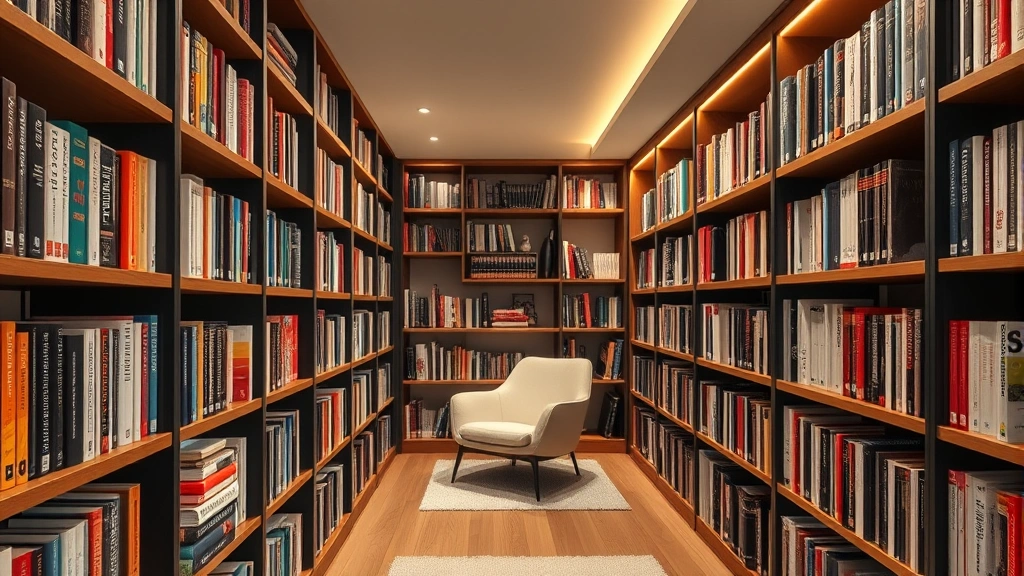
Is 100 Books a Library? Expert Insights on Collection Size and Classification
The question of whether 100 books constitutes a library is more nuanced than a simple numerical threshold. While many people assume a library is any collection of books, professional librarians, institutional standards, and organizational bodies have established specific criteria that go far beyond mere book count. Understanding what makes something officially qualify as a library involves examining collection size, organizational systems, accessibility, and purpose.
Whether you’re building a personal collection, establishing a community resource, or simply curious about library classifications, this guide explores the expert definitions and standards that determine what truly qualifies as a library. The answer involves surprising complexity and varies significantly depending on context, institutional type, and governing standards.
What Professional Standards Define a Library
According to the International Federation of Library Associations and Institutions (IFLA), a library is defined as an organized collection of resources and services that provide information and reading materials selected, organized, and made accessible to meet the needs of its users. This definition immediately reveals that 100 books alone do not automatically qualify as a library.
The American Library Association (ALA) emphasizes that libraries require more than just accumulated books. They must feature professional management, systematic organization, and public or designated-user access. A random collection of 100 books stored in a garage, without cataloging or organizational structure, would not meet professional library standards regardless of quantity.
Most U.S. states have specific requirements for what constitutes a public library. Many states require a minimum of 1,000 to 5,000 volumes for a facility to be officially recognized as a public library. However, these thresholds vary considerably. Some states focus more on service capacity and community access than strict book counts. The distinction matters significantly when seeking library funding, tax benefits, or official designation.
Personal libraries and private collections operate under different standards. A collector with 100 carefully selected and organized books might consider their collection a library in the personal sense, even though it wouldn’t meet institutional standards. The terminology becomes more about personal preference and functional purpose rather than official classification.
The Role of Organization and Cataloging
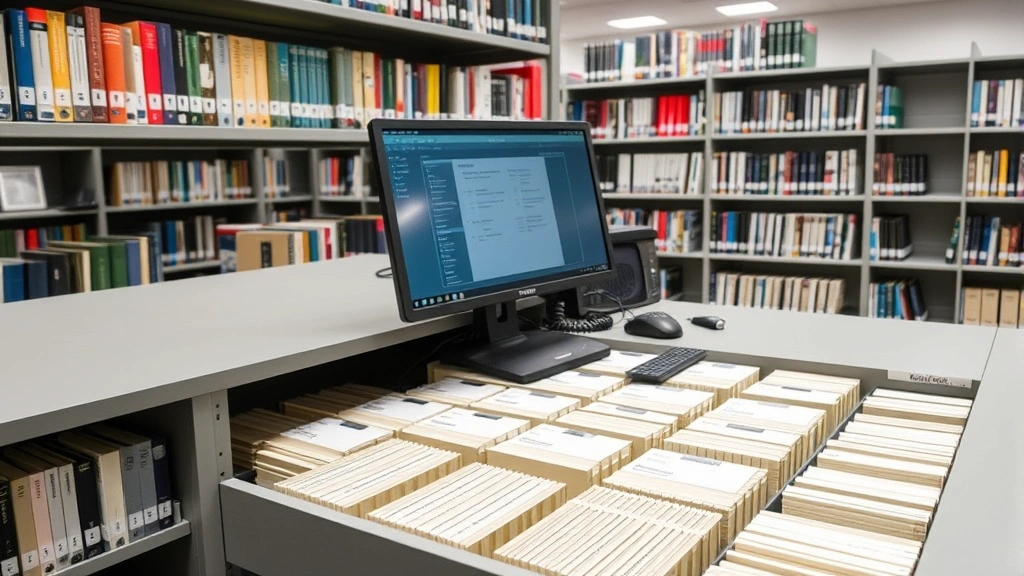
One of the most critical factors separating a mere book collection from an actual library is systematic organization. A library requires proper cataloging systems, whether using the Dewey Decimal System, Library of Congress Classification, or another recognized organizational method. Without such systems, users cannot efficiently locate materials, which defeats a primary library function.
Cataloging involves creating detailed records for each item, including author, title, publication information, subject classification, and location data. This infrastructure-level work transforms a collection into a functional library. A personal collection of 100 books with a homemade catalog system might be considered a library by its owner, but without standardized cataloging, it lacks professional library characteristics.
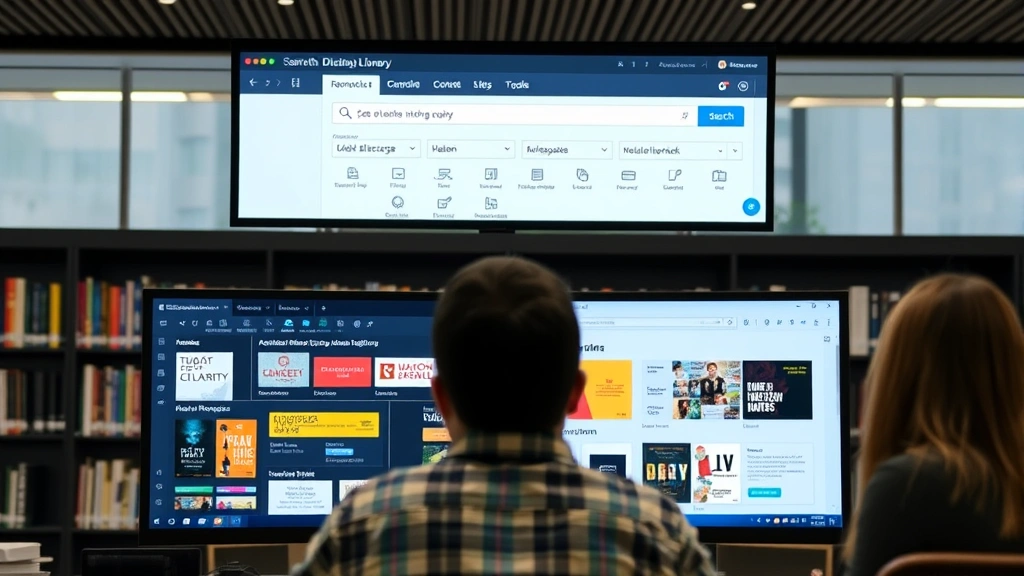
Digital organization has become increasingly important in modern libraries. Many contemporary libraries maintain integrated library systems (ILS) that track physical and digital materials, manage circulation, handle patron accounts, and provide search capabilities. These technological systems represent substantial investments that distinguish professional libraries from casual collections.
The accessibility of a collection also matters enormously. Libraries, by definition, serve users beyond the owner. A locked collection of 500 books that only the owner accesses differs fundamentally from a 100-book collection regularly accessed by community members. Public access and usability are essential library characteristics.
Collection Size Requirements by Library Type
Different library types have vastly different size requirements. Understanding these distinctions helps clarify why 100 books might be insufficient for some contexts but adequate for others.
Public Libraries: Most states require public libraries to maintain between 1,000 and 5,000 volumes minimum. Some larger states set requirements at 2,500 volumes or more. These thresholds ensure collections can serve diverse community needs across multiple subject areas and reading levels. A 100-book collection cannot adequately serve as a public library.
School Libraries: Educational institutions typically require one book per student plus additional reference materials. A school serving 500 students would need at least 500 books plus supplementary materials. Many school librarians recommend 10-12 items per student for comprehensive collections. One hundred books would be severely inadequate for most school settings.
Academic Libraries: Universities and colleges maintain collections ranging from tens of thousands to millions of volumes. Research institutions might have multiple libraries with specialized collections. A 100-book collection could never meet academic library standards.
Special Libraries: Corporate, medical, legal, and specialized research libraries often maintain smaller but highly focused collections. A specialized medical library might function effectively with 500 to 2,000 carefully selected volumes. In this context, 100 books could potentially serve a very narrow specialization, though even specialized libraries typically exceed this threshold.
Personal and Home Libraries: This is where 100 books becomes more relevant. A personal library with 100 well-chosen, organized volumes represents a substantial and respectable collection. Many successful home libraries contain 100 to 500 books organized by genre, subject, or classification system.
Beyond Books: Modern Library Criteria
Contemporary libraries encompass far more than physical books. Modern library standards include diverse materials and services that transform how we define library collections.
Format Diversity: Today’s libraries include audiobooks, e-books, digital journals, DVDs, manuscripts, maps, and multimedia resources. The Library of Congress catalogs millions of items in various formats. When evaluating whether a collection qualifies as a library, professionals consider the total resource count across all formats, not just printed books.
Digital Access: Many modern libraries provide virtual access to databases, research journals, and online resources. A library might have only 5,000 physical books but provide access to millions of digital items through database subscriptions. This dramatically changes collection evaluation metrics.
Community Services: Libraries increasingly offer programming, computer access, study spaces, and educational services. These functions matter as much as collection size in defining what makes something a library. A facility offering library services with a modest 500-item collection might be considered a library due to its functional role in the community.
Staffing and Infrastructure: Professional libraries require trained librarians or information specialists. A collection without trained staff to manage, organize, and assist users lacks essential library components. This is why many institutional libraries require at least one credentialed librarian on staff.
Physical or Virtual Space: Libraries require dedicated space for collection storage, patron access, and services. This might be a building, a section of a building, or an entirely virtual platform. A collection scattered across multiple personal residences, without centralized access, doesn’t function as a library regardless of size.
Building Your Personal Library Space
If you’re interested in developing a home library, understanding these standards helps you create an organized, functional space. Consider consulting our guide on DIY basement finishing to create dedicated library space, which provides practical strategies for converting home areas into specialized rooms.
Organization Systems: Implement a consistent organizational method before your collection grows too large. Whether using genre classification, author alphabetization, or color organization, consistency matters more than the specific system. A 100-book collection organized systematically functions better than a 500-book collection in chaos.
Cataloging Methods: Create a simple catalog system, even for personal collections. Spreadsheets or free cataloging software like Goodreads help track titles, authors, and locations. This becomes increasingly important as collections grow beyond 200 items.
Shelving and Storage: Invest in quality shelving that accommodates growth. A 100-book collection requires approximately 25-30 linear feet of shelf space, depending on book size. Plan for expansion as your collection grows.
Accessibility: Arrange your library so materials are easily accessible to yourself and intended users. Frequently accessed items should be at convenient heights. Specialized collections might benefit from subject-based arrangement.
Preservation Considerations: Protect your collection from environmental damage. Control humidity and temperature, avoid direct sunlight, and handle books carefully. These practices become increasingly important as collections grow larger and more valuable.
Creating a home library can complement professional library usage. You might maintain a personal collection of 100 favorite books while regularly accessing your local public library’s much larger resources. Many people find this combination provides ideal access to reading materials without requiring personal ownership of thousands of items.
FAQ
Does a library need to have physical books?
No, modern libraries can exist entirely in digital format. Many university libraries now provide primarily digital resources. However, most traditional libraries maintain some physical collection alongside digital materials.
What’s the smallest collection that can be called a library?
There’s no universal minimum, but professional standards typically start around 500-1,000 items for institutional libraries. Personal libraries can be any size the owner considers functional, though 100 books represents a modest but respectable personal collection.
Can a library have only 100 books?
A personal library can certainly contain 100 books. However, 100 books would not qualify as a professional, public, school, or academic library under standard institutional definitions. The context and purpose matter significantly.
How many books do I need for a home library?
There’s no minimum requirement for personal libraries. Some people build libraries with 50 books, others with thousands. The key is having materials you value, organized in a system you can navigate. Consider your available space and reading habits.
What’s the difference between a library and a bookstore?
Libraries provide organized access to materials (typically free or through membership), while bookstores sell books. Libraries emphasize accessibility and community service, while bookstores focus on retail sales. Libraries catalog and organize materials; bookstores display them for purchase.
Do libraries still matter in the digital age?
Absolutely. Libraries have evolved to include digital resources, provide community spaces, offer programming, and serve as information access points for people without internet at home. Modern libraries remain vital community institutions beyond just housing books.
Can I start a library with 100 books?
You can start a personal library with 100 books. However, starting a public or institutional library requires meeting state and professional standards, which typically demand much larger collections, proper staffing, and infrastructure. Consider your goals and available resources carefully.


