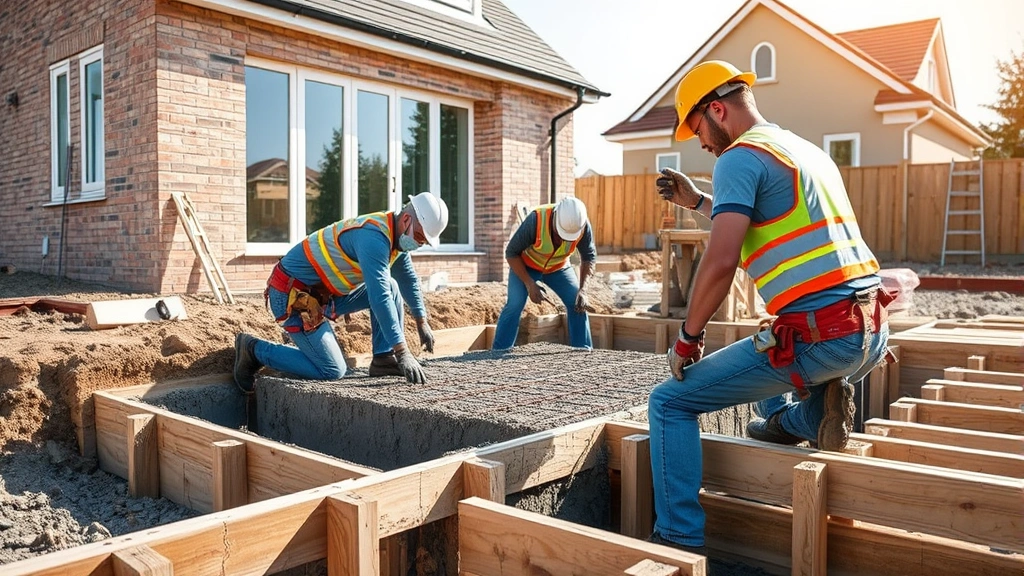
Planning a home extension is an exciting project that can dramatically increase your living space and property value. However, understanding the true cost of an extension requires careful research and realistic budgeting. Extension costs vary significantly based on location, size, materials, and complexity, ranging anywhere from £15,000 to £250,000 or more. Whether you’re considering a single-story addition or a comprehensive two-level expansion, knowing what factors influence pricing helps you make informed decisions and avoid costly surprises during construction.
The financial investment in a home extension extends beyond basic construction materials. You’ll need to account for planning permissions, structural engineering, permits, labor costs, utility connections, and contingency funds. Many homeowners underestimate these ancillary expenses, which can represent 20-30% of your total project budget. This comprehensive guide breaks down every cost component, provides realistic price ranges for different extension types, and shares expert budgeting strategies to help you maximize your investment while maintaining quality and safety standards.
Understanding Extension Costs Breakdown
Extension costs typically break down into several major categories that collectively determine your total investment. The foundation and structural work usually accounts for 15-20% of your budget, including excavation, concrete foundation, and structural steel or timber framing. Materials for walls, roofing, windows, and doors represent another 25-35% of expenses. Labor costs, which vary dramatically by region and contractor experience, typically consume 30-40% of your total budget. Additional expenses like electrical work, plumbing, HVAC systems, and finishing touches add another 15-25%.
Understanding this breakdown helps you identify where cost-saving opportunities exist without compromising structural integrity or safety. For example, choosing standard windows over custom designs might save 10-15% on material costs, while selecting a simpler roof design reduces both materials and labor expenses. However, certain elements—like proper foundation work and structural calculations—should never be compromised to save money, as inadequate work in these areas can lead to expensive repairs and safety hazards.
The cost per square meter varies significantly based on extension type and finish quality. A basic single-story extension might cost £1,500-£2,500 per square meter, while a fully finished luxury extension could reach £4,000-£6,000 per square meter. These figures include all labor, materials, and professional fees but exclude land acquisition costs if you’re expanding onto new property.
Single-Story Extensions: What to Expect
Single-story extensions are generally the most cost-effective expansion option, making them popular for homeowners working with moderate budgets. A typical single-story extension measuring 4 meters by 6 meters (24 square meters) costs between £36,000 and £60,000, depending on finish quality and regional factors. This size addition works well for creating additional kitchen space, expanding living areas, or adding a home office.
The simplicity of single-story construction reduces complexity compared to multi-level additions. You’re not dealing with upper-floor load requirements, complex staircase integration, or extensive structural reinforcement of existing foundations. However, you still need to address proper foundation work, which typically costs £3,000-£8,000 depending on soil conditions and excavation requirements. Poor soil conditions or high water tables can increase foundation costs significantly.
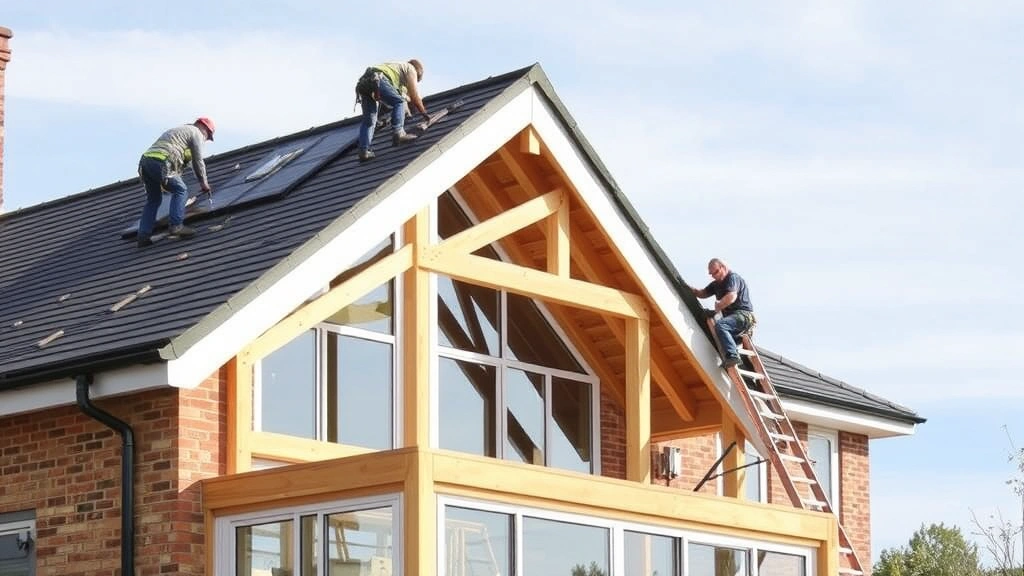
Roofing represents another substantial cost for single-story extensions, ranging from £4,000-£12,000 for a 24-square-meter addition depending on material choice. Standard pitched roofs with asphalt shingles cost less than flat roofs or premium slate options. The roof design should complement your existing home’s architecture while providing adequate drainage and weather protection. When planning your basement finishing or other interior expansions, consider how single-story extensions might better serve your needs than underground solutions.
Image placement:
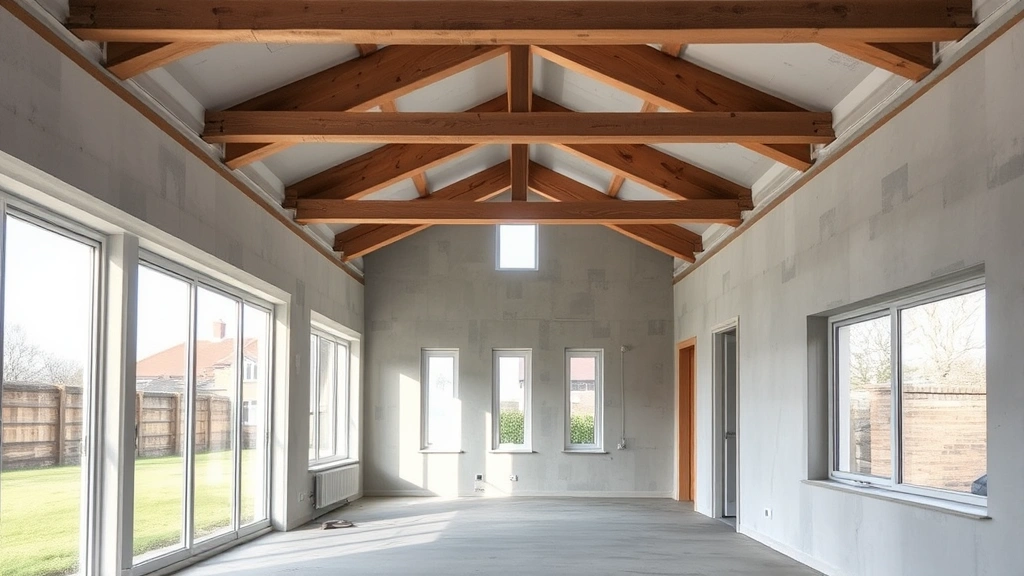
Windows and doors in single-story extensions typically cost £3,000-£8,000, with premium options like triple-glazed units pushing costs higher. Energy-efficient windows reduce long-term utility bills but require larger upfront investment. Building regulations require specific U-values for windows in extensions, so budget accordingly for compliant options rather than choosing purely on initial cost.
Two-Story Extensions and Structural Considerations
Two-story extensions offer maximum space expansion but significantly increase costs due to structural complexity. A two-story addition measuring 4 meters by 6 meters (48 square meters total) typically costs £84,000-£168,000, roughly double the single-story equivalent. This higher cost reflects additional structural engineering, materials, and labor required for upper-floor support systems.
Structural engineers must assess your existing foundation’s capacity to support additional weight and potentially recommend underpinning or reinforcement. This assessment costs £800-£2,000 but is essential for safety and building code compliance. Underpinning—reinforcing or replacing existing foundations—can add £10,000-£30,000 to your project if soil conditions are poor or existing foundations are inadequate.
Two-story extensions require careful integration with your existing roof structure. You might need to remove sections of your current roof, which complicates the project and increases temporary weather protection costs. Staircase integration adds both material and labor expenses, typically £4,000-£10,000 depending on design complexity and materials used. The additional plumbing and electrical work for upstairs bathrooms or kitchens increases utility connection costs by 20-30% compared to single-story projects.
Building regulations scrutiny intensifies for two-story work. Structural calculations become more complex, requiring certified structural engineer involvement throughout the project. This professional oversight, while increasing costs by £2,000-£5,000, ensures your extension meets all safety requirements and local building codes. When considering major structural additions, review how bathroom additions might integrate into your extension plans.
Labor Costs and Contractor Selection
Labor typically represents the largest single expense in extension projects, ranging from 30-45% of your total budget. Skilled tradespeople charge £150-£350 per day depending on specialization and location, with experienced project managers commanding £200-£400 daily rates. A 24-square-meter extension might require 400-600 labor days across all trades, translating to £60,000-£210,000 in labor costs alone.
Selecting contractors requires balancing cost against quality and reliability. Cheapest quotes often indicate inexperienced contractors or those planning to cut corners on materials or workmanship. Request detailed quotes breaking down labor by trade, material specifications, timeline, and warranty provisions. Verify that contractors hold appropriate licenses, insurance, and references from similar projects completed in the past three years.
Project management adds 10-15% to labor costs but prevents expensive mistakes and schedule delays. An experienced project manager coordinates subcontractors, inspections, material deliveries, and problem-solving, ensuring work progresses efficiently. For first-time extension projects, this investment typically pays for itself through prevented errors and streamlined scheduling.
Labor costs vary significantly by region, with London and Southeast England commanding 20-40% premiums compared to northern regions. Rural areas might have fewer qualified contractors, reducing competition and potentially increasing costs. Urban areas typically offer more contractor options, allowing better price negotiation while maintaining quality standards.
Image placement:
Permits, Planning, and Regulatory Expenses
Planning permission and building regulation approval represent essential costs that many homeowners underestimate. Planning application fees range from £200-£2,000 depending on extension size and local authority, with larger projects requiring public consultation and potentially generating appeals or modifications. Building regulation approval costs £300-£1,500 in application fees, plus inspection costs of £100-£300 per visit, with typically 3-5 inspections during construction.
Structural engineer reports required for planning approval cost £800-£2,500 depending on complexity. These detailed assessments demonstrate that your extension meets structural requirements and won’t negatively impact neighboring properties. Architects or design professionals prepare detailed drawings for planning submission, charging £1,500-£5,000 for residential extension designs.
Some extensions qualify for permitted development rights, eliminating planning permission requirements but still requiring building regulation approval. Understanding whether your project qualifies saves time and money—some single-story extensions under specific size thresholds fall under permitted development, potentially saving £500-£2,000 in planning fees.
Environmental assessments, contaminated land surveys, or archaeological investigations might be required depending on location and project scope. These specialized studies add £1,000-£5,000 but are non-negotiable if required by local authorities. Building control inspection fees typically total £400-£800 across multiple site visits throughout the project duration.
Material Selection and Cost Variations
Material choices dramatically influence extension costs, with options ranging from budget to premium across every category. Brick and block construction costs £100-£200 per square meter for basic work, while decorative brickwork or specialty materials reach £300-£500 per square meter. Timber framing offers faster construction but requires careful specification to meet thermal performance requirements.
Roofing material selection significantly impacts both initial costs and long-term maintenance expenses. Asphalt shingles cost £15-£25 per square meter, while slate or premium options reach £80-£150 per square meter. Flat roofs with membrane systems cost £20-£40 per square meter but require more maintenance than pitched roofs. Green roofs or solar panel integration add £100-£300 per square meter but provide energy or environmental benefits over 20-30 years.
Window and door selection balances aesthetic preferences against thermal performance and cost. Standard double-glazed units cost £300-£600 per window, while triple-glazed or smart windows reach £800-£1,500 each. Building regulations now require specific U-values (typically 1.4 W/m²K or better for windows), so budget for compliant options rather than discovering mid-project that cheaper windows don’t meet requirements.
Insulation specification directly affects long-term energy efficiency and heating costs. Standard mineral wool insulation costs £15-£30 per square meter, while premium options like PIR boards or spray foam reach £40-£80 per square meter. Better insulation increases upfront costs by £2,000-£5,000 for a typical extension but reduces annual heating bills by £300-£800, paying for itself within 5-10 years.
Interior finishes vary dramatically in cost. Basic plasterboard and paint costs £30-£50 per square meter, while premium finishes with decorative plaster or feature walls reach £100-£200 per square meter. Flooring options range from basic concrete with epoxy coating (£20-£40 per square meter) to hardwood or natural stone (£80-£200 per square meter). These finishing choices don’t affect structural integrity but significantly impact the perceived quality and value of your completed extension.
Hidden Costs and Contingency Planning
Experienced builders recommend setting aside 15-20% of your total budget as contingency for unexpected costs that inevitably arise during construction. Unforeseen structural issues, underground utilities, poor soil conditions, or design modifications can quickly consume this reserve fund. A £60,000 extension should include £9,000-£12,000 in contingency, which might seem excessive until you discover unexpected foundation problems or utility relocations.
Utility connections—extending electrical, plumbing, and HVAC systems to your extension—often exceed initial estimates. Electricians might discover outdated wiring requiring upgrades to meet current regulations, adding £2,000-£5,000. Plumbing connections for new bathrooms or kitchens can cost £3,000-£8,000 depending on distance from existing systems and required new fixtures. HVAC extension or installation ranges from £2,000-£6,000 depending on system type and ductwork requirements.
Temporary site facilities during construction add unexpected costs. You’ll need portable toilets (£50-£100 weekly), site storage containers (£30-£60 daily), and potentially temporary power supplies (£100-£200 weekly). These seemingly minor expenses accumulate to £3,000-£8,000 over a 12-16 week project. Dust and noise control measures, particularly in dense neighborhoods, add another £1,000-£3,000.
Asbestos testing and removal, if your home was built before 1990, can add £5,000-£15,000 to your budget. Professional asbestos surveys cost £300-£800 but are essential before any demolition work. If asbestos is discovered, licensed removal specialists charge £100-£300 per square meter depending on material type and containment requirements.
Site access challenges in urban areas or properties with limited vehicle access increase material handling costs by 20-40%. Restricted access might require hand-carrying materials or using specialized equipment, significantly slowing work pace and increasing labor costs. These access issues should be identified during initial site assessment and reflected in contractor quotes.
DIY vs. Professional Installation
While full DIY extension construction isn’t realistic for most homeowners, certain elements can be self-completed to reduce costs. Interior painting, basic carpentry, and finishing work can be handled by skilled DIYers, potentially saving £3,000-£8,000. However, structural work, electrical installation, plumbing, and roofing should always be performed by qualified professionals to ensure safety and code compliance.
Attempting DIY work on structural, electrical, or plumbing elements violates building regulations and may invalidate your home insurance or future property sales. Building control inspections specifically verify that these systems meet standards, and inspectors will require professional remediation if DIY work is discovered. The cost of correcting substandard work typically exceeds what you would have paid for professional installation initially.
Some homeowners act as their own project managers, coordinating subcontractors and managing the schedule rather than hiring a general contractor. This approach can save 10-15% on overhead but requires significant time investment and knowledge of construction sequencing. For first-time builders, the complexity and potential for costly mistakes often outweigh savings from self-managing the project.
Renting equipment like scaffolding, concrete mixers, or power tools costs £20-£100 daily per item but allows you to handle certain preparatory or finishing tasks. Demolition, site preparation, and cleanup work can often be partially self-completed, potentially saving £2,000-£5,000. However, ensure you understand safety requirements and obtain necessary permits for any site work you undertake.
When considering DIY approaches, understand how professional flooring installation and finishing work compare to your skill level. Some tasks are genuinely suitable for capable DIYers, while others require professional expertise to achieve acceptable results that will satisfy building inspectors and provide long-term durability.
Regional Price Variations
Extension costs vary substantially across the UK, with London and the Southeast commanding the highest prices. London extensions cost 30-50% more than equivalent projects in northern England, Scotland, or Wales. This premium reflects higher labor rates, more stringent planning requirements, and greater demand for skilled contractors in dense urban areas.
Southeast England (outside London) typically costs 10-25% more than the national average. The Midlands and Southern regions represent mid-range pricing, while Northern England, Scotland, Wales, and rural areas generally offer 15-30% cost savings compared to Southeast prices. However, rural areas might have fewer qualified contractors, potentially reducing competition and offsetting some savings.
Material costs also vary regionally, though less dramatically than labor. Building materials cost slightly more in remote areas due to delivery charges, while urban areas benefit from nearby suppliers and competitive pricing. Specialized materials might require ordering from distant suppliers, adding shipping costs that disproportionately affect rural projects.
Local planning requirements vary significantly by region and authority. Some councils require more detailed submissions or conduct lengthy public consultations, increasing planning costs and timeline. Others have streamlined processes allowing faster approval. Understanding your specific local authority’s requirements helps you budget realistically for planning and design professional fees.
Financing Your Extension Project
Home extension financing typically comes through several options, each with distinct advantages and considerations. Personal savings offer the lowest-cost financing option but require substantial accumulated capital. Home equity loans or lines of credit leverage your property’s value at interest rates typically 2-4% above mortgage rates, costing significantly less than unsecured borrowing.
Mortgage refinancing allows you to borrow against your home’s equity at favorable mortgage rates, typically 0.5-1% lower than home equity loans. This approach works well for larger projects where the low interest rate justifies refinancing costs. However, refinancing extends your mortgage timeline, meaning you’ll pay interest on extension costs for many additional years.
Personal loans offer faster approval and simpler terms but charge 5-15% interest rates, significantly increasing your total project cost. For a £60,000 extension financed over 10 years at 10% interest, you’d pay approximately £18,000 in interest charges alone. This high cost makes personal loans suitable only for smaller projects or when other financing options aren’t available.
Government grants and programs occasionally support home improvements meeting specific criteria like energy efficiency or accessibility modifications. Research whether your project qualifies for any available grants before finalizing financing plans. Some local authorities offer grants for extensions meeting environmental standards or improving housing stock.
Phased construction—completing your extension in stages rather than all at once—allows spreading costs across multiple years. This approach lets you spread financing across tax years and potentially qualify for different loan terms as your financial situation evolves. However, phased construction increases total costs by 10-15% due to mobilization costs for each phase and inflation between stages.
Before committing to financing, ensure your budget includes all identified costs plus contingency reserves. Underfunded projects often stall mid-construction, creating security and weather exposure issues. Better to finance slightly more than needed and return unused funds than to face construction delays from inadequate funding.
Planning a home extension requires thorough financial analysis and realistic budgeting across all cost categories. By understanding how foundation work, labor, materials, and regulatory requirements combine to determine final costs, you can make informed decisions that balance your budget constraints against quality and functionality goals. Whether you’re adding a single-story kitchen extension or expanding with a two-story addition, the investment in proper planning and professional guidance typically delivers better long-term results than rushing into construction with incomplete budgets. Start your project with detailed quotes from multiple contractors, clearly understand all required permits and approvals, and maintain contingency reserves for unexpected costs that inevitably arise during construction. Visit the DIY Nests Hub Blog for additional home improvement resources and project guidance.


