What Does DIY Decking Cost? Builder’s Insights
Building a deck is one of the most rewarding DIY projects you can undertake, transforming your outdoor space into a functional entertainment area. However, understanding the true cost of a DIY decking project requires more than just pricing lumber—you need to account for materials, tools, permits, and labor hours. Whether you’re building a modest 12×12 platform or an elaborate multi-level structure, knowing what to expect financially helps you plan effectively and avoid costly surprises mid-project.
The cost to build a deck yourself typically ranges from $8 to $25 per square foot, depending on materials, complexity, and your location. This is substantially less than hiring professionals, who charge $15 to $50+ per square foot. In this comprehensive guide, I’ll break down every expense category, help you calculate your specific project costs, and share practical strategies to maximize your budget without compromising safety or longevity.
Decking Material Costs
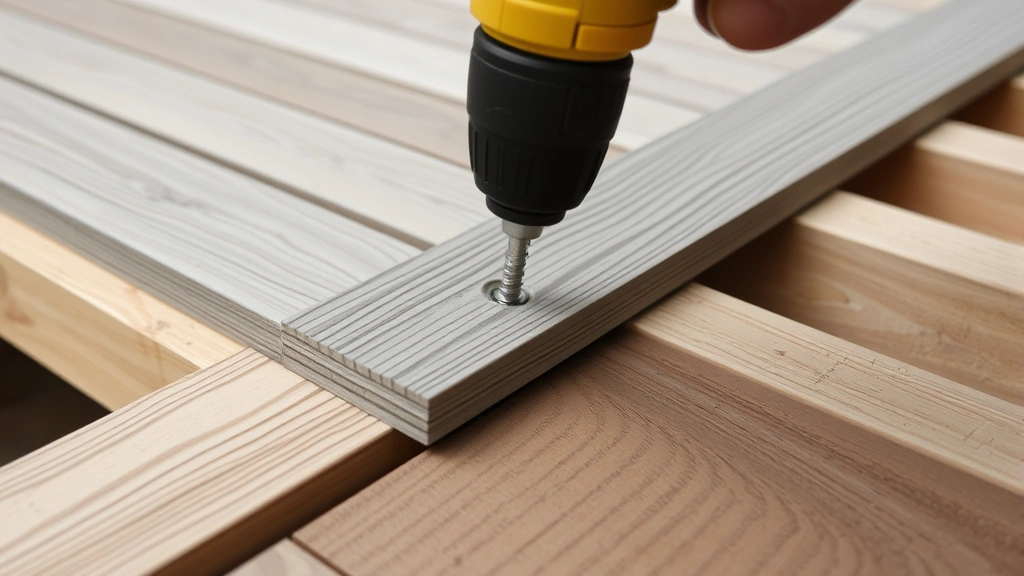
The decking surface itself represents 30-40% of your total project budget, making material selection critical. Understanding the per-square-foot pricing and durability of each option helps you make informed decisions that balance initial investment with long-term value.
Pressure-Treated Lumber is the most budget-friendly option at $2 to $8 per square foot. This wood is chemically treated to resist rot and insects, making it ideal for ground-level decks. A typical 16×16 deck requires approximately 256 square feet of decking boards, translating to $512–$2,048 in materials alone. Pressure-treated wood typically lasts 15-20 years with proper maintenance, requiring annual staining or sealing.
Cedar and Redwood cost $6 to $15 per square foot and offer natural beauty with moderate rot resistance. These softwoods are more aesthetically appealing than pressure-treated lumber and require less chemical processing. However, they demand more frequent maintenance—typically every 2-3 years—and have a shorter lifespan of 10-15 years without proper care.
Composite Decking represents a middle ground at $8 to $25 per square foot. Made from wood fibers and plastic polymers, composites require minimal maintenance, resist fading, and last 25-30 years. While the initial cost is higher, the reduced maintenance expenses often justify the investment over time. Popular brands include Trex, TimberTech, and Azek, each with varying price points and performance specifications.
PVC Decking is the premium option at $15 to $35 per square foot. Fully plastic decking offers superior durability, exceptional weather resistance, and minimal maintenance requirements. It’s ideal for humid or coastal environments where moisture and salt exposure accelerate traditional wood degradation. A 16×16 deck in PVC could cost $3,840–$8,960 for materials alone.
Tropical Hardwoods like Ipe and Cumaru cost $12 to $30 per square foot and offer exceptional durability—often lasting 25+ years. These dense woods are naturally resistant to rot, insects, and fire. However, they’re difficult to work with, requiring specialized tools and fasteners, which increases labor costs and complexity.
Structural & Foundation Materials
The hidden structure beneath your decking surface is equally important as the visible boards. Foundation and framing materials typically account for 25-35% of your total budget and directly impact your deck’s safety and longevity.
Posts and Footings form the foundation of your deck. You’ll need concrete footings below the frost line (typically 36-48 inches deep in northern climates) to prevent heaving during freeze-thaw cycles. For a 16×16 deck with posts every 8 feet, you’d need 9-12 posts. Budget $30-$50 per post hole for concrete and post materials, plus $5-$15 per post. The International Code Council provides frost line depth requirements by region.
Pressure-Treated Joists and Beams form the framework supporting your decking. A 16×16 deck requires approximately 20-25 joists (typically 2×8 or 2×10) and 2-4 beams. Expect to spend $800–$2,000 on framing lumber alone. Joist spacing (typically 12 or 16 inches on center) and span calculations must comply with American Wood Council specifications.
Fasteners and Hardware include deck screws, bolts, joist hangers, and flashing. Budget $200–$400 for a mid-sized deck. Using stainless steel or hot-dipped galvanized fasteners prevents rust staining and ensures long-term structural integrity. Cheap fasteners can fail within 5-10 years, potentially causing safety hazards.
Ledger Board and Flashing connect your deck to your house and cost $100–$300. Proper flashing—typically aluminum or rubber—prevents water from entering your home’s rim joist, a common source of structural damage. This is one of the most critical components; improper installation can lead to thousands of dollars in home damage.
Tools & Equipment Investment
If you’re starting from scratch, tool costs can be substantial. However, many tools have lasting value beyond this single project, making them investments rather than expenses.
Essential Power Tools include a drill-driver ($80–$200), circular saw or miter saw ($100–$400), and reciprocating saw ($80–$250). If you already own these, your tool costs drop significantly. A quality power drill is indispensable for fastening hundreds of screws efficiently.
Specialized Deck Tools include a level ($30–$100), tape measure ($15–$30), speed square ($10–$20), and post level ($40–$80). A laser level ($50–$150) helps ensure proper slope for water drainage. These tools cost $200–$400 total but are reusable for future projects.
Safety Equipment is non-negotiable: safety glasses ($10–$25), work gloves ($15–$40), dust masks or respirators ($20–$100), and steel-toed boots ($80–$150). Budget $150–$300 for comprehensive safety gear. Proper PPE prevents injuries that could derail your project and result in medical expenses.
Rental Equipment
Many DIY project guides recommend renting specialized equipment rather than purchasing items you’ll use once. Home improvement retailers offer daily, weekly, and monthly rental rates that often make financial sense. While you’re doing the work yourself, understanding the labor investment helps you plan time off, arrange helper schedules, and anticipate when your deck will be complete. Simple Decks (12×12 platform, minimal elevation) typically require 40–60 hours. Breaking this into weekends, you’re looking at 4–6 weeks of part-time work. A 16×16 deck requires 60–100 hours (6–10 weeks), while decks with stairs, multiple levels, or elaborate railings can exceed 150 hours. Foundation Work is the most labor-intensive phase. Digging post holes, mixing concrete, and setting posts can consume 20–30% of your total project hours. Renting a power auger reduces this significantly—what takes 8 hours by hand might take 2 hours with equipment. Framing requires precision and accounts for 30–40% of labor. Measuring, cutting, and installing joists, beams, and ledger boards demands attention to detail. Mistakes here affect everything downstream, so rushing this phase creates problems later. Decking Installation is the most repetitive work—fastening hundreds of screws. With proper technique and power tools, experienced DIYers can install 100–150 square feet per day. Beginners might manage 50–75 square feet daily. Railings and Finishing add 15–25% to labor time. Balusters, newel posts, and cap rails require precision measuring and cutting. Building code compliance is critical here; the National Association of Home Inspectors provides detailed railing requirements. Permit costs vary dramatically by location but typically range from $50 to $500. Many homeowners skip permits to save money—a risky decision that can result in fines, difficulty selling your home, or liability issues if someone is injured. Why Permits Matter: Building permits ensure your deck meets structural codes, electrical requirements (if adding lights), and setback regulations. Inspections verify proper foundation depth, joist spacing, railing height (typically 36-42 inches), and baluster spacing (no more than 4 inches). ICC (International Code Council) publishes the International Residential Code adopted by most jurisdictions. Common Requirements: Most codes mandate post footings below the frost line, 16-inch joist spacing maximum, proper ledger flashing, and railings on decks over 30 inches high. Some municipalities require engineer-stamped plans for larger decks, adding $300–$800 in design fees. Inspection Costs are sometimes included in permit fees but occasionally charged separately ($50–$150 per inspection). Most jurisdictions require inspections at foundation, framing, and completion stages. When calculating your budget, factor in permit costs and assume you’ll need at least two inspections. This is non-negotiable for safety and legal compliance. Smart purchasing and planning decisions can reduce your total project cost by 15–30% without compromising safety or quality. Buy Materials Off-Season: Late fall and winter see reduced demand for decking materials. Prices drop 10–20% compared to spring and summer. If you can store materials safely, purchasing in November for a spring build saves significant money. Choose Appropriately Sized Stock: Buying standard lumber sizes (8, 10, 12, 14, 16 feet) minimizes waste. Custom cutting or selecting lengths with lots of waste increases costs. Plan your deck dimensions around standard lumber sizes when possible. Comparison Shop for Materials: Home Depot, Lowe’s, and local lumber yards often have different pricing. Getting multiple quotes saves 5–15%. Don’t assume big-box stores are cheapest; specialty lumber yards sometimes offer better prices on quality materials. DIY Finishing Work: Staining, sealing, or painting your deck yourself rather than hiring contractors saves $500–$2,000. This work is less technical than structural installation and very achievable for beginners. Simplify Design: Straight, rectangular decks cost less than complex multi-level designs with curves, angles, or built-in features. Every angled cut, custom fitting, and special feature increases labor hours exponentially. Recruit Helper Labor: Having friends or family assist accelerates work and makes it safer. What takes one person 100 hours might take two people 60 hours. Provide food and beverages for helpers—$100–$300 is far cheaper than paying professionals. Consider how other major DIY home projects balance cost savings with quality to inform your approach. Most DIY projects encounter unexpected expenses. Building a 10–20% contingency buffer into your budget prevents financial stress when surprises arise. Site Preparation: Removing existing structures, grading, or dealing with poor soil conditions adds $200–$1,000. You won’t know these costs until you start excavation. If your property slopes significantly or has poor drainage, you might need additional grading or drainage solutions. Wood Treatment and Finishing: Sealing or staining your completed deck costs $200–$600 depending on deck size and product quality. This isn’t optional—without protective finishes, wood deteriorates rapidly. Plan this into your budget. Fastener Upgrades: Using premium stainless steel fasteners instead of standard galvanized costs an extra $100–$300 but prevents rust staining and corrosion issues. This investment pays dividends in appearance and longevity. Structural Corrections: If your initial measurements or calculations were off, correcting them mid-project costs time and materials. Building slowly and double-checking measurements prevents expensive mistakes. Tool Damage or Loss: Dropping a saw, damaging a drill, or losing tools during a multi-week project happens. A $100–$300 buffer covers unexpected tool replacement or repair. Waste Factor: Even experienced builders generate 10–15% material waste through cutting errors, defective lumber, or fastener loss. Budget materials for 110–115% of your calculated square footage. A basic 12×12 pressure-treated wood deck costs $1,500–$3,500 in materials, including decking, framing, hardware, concrete, and fasteners. Add $300–$600 for permits and inspections. If you own most tools, total out-of-pocket cost ranges from $1,800–$4,100. This assumes no structural complications and a simple design. Composite decking costs 3–4 times more initially but requires virtually no maintenance. Pressure-treated wood needs sealing every 2–3 years (costing $300–$800 each time) and lasts 15–20 years. Composite lasts 25–30 years with no maintenance. Over 25 years, composite often costs less despite higher upfront expenses. The decision depends on your willingness to maintain wood versus paying more upfront for convenience. Technically yes, but it’s legally risky. Unpermitted decks may violate local codes, create liability if someone is injured, complicate home sales (inspectors discover unpermitted work), and result in fines or demolition orders. Permit costs ($50–$500) are minimal compared to potential consequences. Always get permits. DIY decking costs $8–$25 per square foot depending on materials (pressure-treated lumber at the low end, PVC at the high end) and complexity. This includes materials, tools, permits, and finishing but not professional labor. Professional installation costs $15–$50+ per square foot. Choose pressure-treated lumber, keep the design simple and rectangular, do all work yourself, buy materials off-season, and simplify railings and finishing details. Avoid composite or exotic hardwoods, multiple levels, and built-in features. A basic 16×16 pressure-treated deck with minimal railings might cost $2,500–$4,000 in materials, the lowest achievable price for a safe, code-compliant structure. A 16×16 deck requires 60–100 hours of labor (6–10 weeks working weekends). Foundation work takes 2–3 weeks, framing takes 2–3 weeks, decking installation takes 1–2 weeks, and railings/finishing take 1–2 weeks. Timeline varies with experience, helper availability, and weather. Rushing increases error rates and safety risks. Most residential decks under 200 square feet don’t require engineer stamping. However, decks over 200 square feet, elevated structures, or those in high snow-load regions often do. Check with your local building department. Engineer plans cost $300–$800 but ensure structural adequacy and code compliance.Labor Hours & Timeline
Permits & Building Codes
Cost-Saving Strategies
Hidden Costs & Contingencies
FAQ
How much does a 12×12 deck cost to build yourself?
Is composite decking worth the extra cost?
Can I build a deck without a permit?
How much does decking cost per square foot?
What’s the cheapest way to build a deck?
How long does it take to build a deck?
Do I need a structural engineer for my deck?


