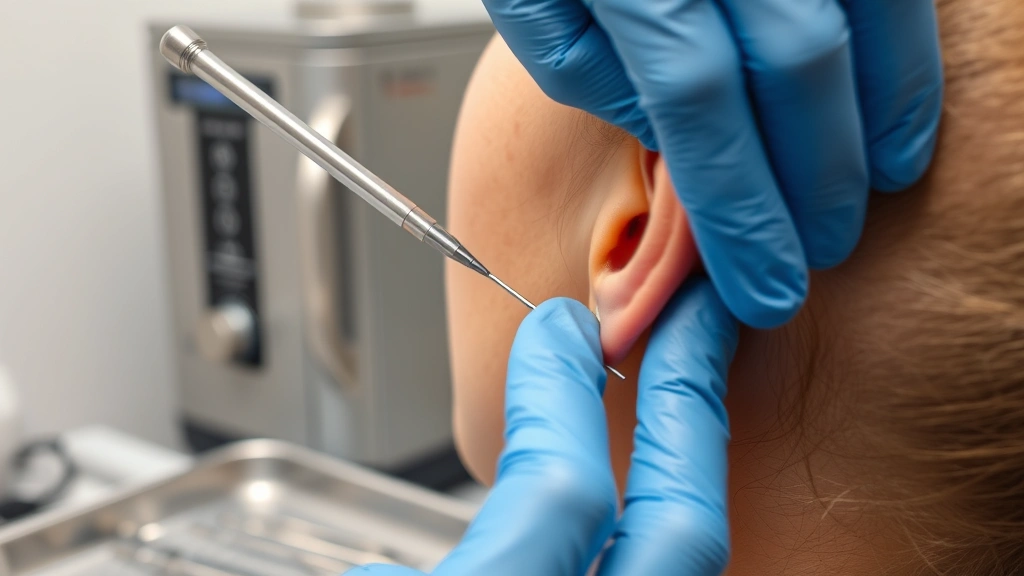
DIY Ear Piercing? Safety Tips & Costs Explained
Ear piercing has become one of the most accessible body modification procedures, with professional studios charging anywhere from $20 to $100+ per piercing depending on location and technique. However, many people wonder whether they can safely perform ear piercings at home to save money. This comprehensive guide explores the true costs of professional ear piercing, the serious risks associated with DIY methods, and everything you need to know before making this decision.
Whether you’re considering a simple lobe piercing or exploring cartilage piercings, understanding the financial investment and safety implications is crucial. We’ll break down professional pricing structures, examine why professionals charge what they do, and explain why attempting this procedure yourself can lead to costly infections, scarring, and permanent damage that far exceed any initial savings.
Professional Ear Piercing Costs Explained
Understanding the true cost of professional ear piercing helps explain why attempting this at home is a false economy. Professional piercing studios typically charge between $25 and $100 per piercing, with several factors influencing the final price.
Location and Piercing Type significantly impact costs. Basic earlobe piercings in smaller cities might cost $25-$40, while the same service in major metropolitan areas could reach $60-$80. Cartilage piercings (helix, tragus, conch) generally cost more—typically $40-$100—because they require greater precision and healing takes longer. Industrial piercings or other complex ear modifications can exceed $100.
The jewelry quality included in the piercing fee varies considerably. Most professional studios include implant-grade titanium or surgical steel studs in their initial cost, which alone costs $15-$30 wholesale. Budget piercing shops may use lower-quality metals that cause allergic reactions and infections. Premium studios use higher-grade materials and often allow you to choose from multiple jewelry options.
Professional Expertise Justifies Cost. Licensed piercing professionals complete apprenticeships lasting 2-5 years, learning anatomy, sterilization protocols, and proper technique. They understand how to identify safe piercing locations, avoid nerves and blood vessels, and position jewelry for optimal healing. This expertise significantly reduces complication rates compared to untrained individuals.
When comparing costs, consider that home improvement projects like bathroom additions require professional expertise for safety and code compliance—the same principle applies to body modification. A failed DIY piercing can cost $200-$500 in medical treatment, not counting lost time and discomfort.
Why DIY Ear Piercing Is Dangerous
The human ear contains numerous vital structures in a small space, making precision critical. The ear has at least 40 named anatomical structures, including nerves, blood vessels, and cartilage of varying thickness. Professional piercing tools like hollow needles and specialized guns are designed to penetrate these tissues cleanly. Household items like sewing needles, safety pins, or ice-numbed skin create jagged wounds that bleed excessively and heal poorly.
Nerve Damage Risk. The auricular nerve and greater auricular nerve run through the ear, controlling sensation and motor function. Piercing in wrong locations can cause permanent numbness, chronic pain, or loss of sensation. The vagus nerve, which affects heart function, runs near the ear. While direct damage is unlikely, imprecise piercing can cause inflammation affecting nerve function.
The cartilage structure presents unique challenges. Unlike soft earlobe tissue, cartilage requires specific needle angles and pressure to pierce cleanly. Using blunt instruments or excessive force can shatter cartilage, creating permanent deformities and keloid scarring. Professional piercers use hollow needles that create clean channels; household needles crush tissue, triggering excessive immune responses.
Improper angle placement causes several problems: the piercing may close unevenly, jewelry can migrate through tissue (causing the hole to shift position), and healing becomes complicated. Professional piercers ensure proper angle and depth so jewelry sits correctly and tissue heals symmetrically. Even slightly off-angle piercings can cause chronic irritation lasting months.
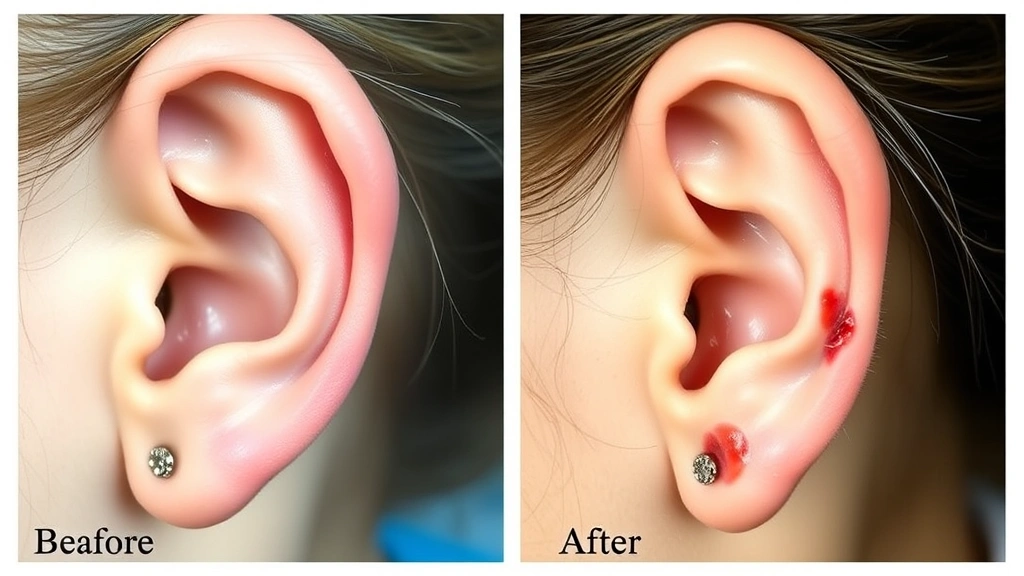
Psychological Factors Matter Too. Pain perception increases when you’re piercing yourself because you’re anticipating the sensation. This often causes involuntary flinching at the critical moment, resulting in jagged wounds. Professionals perform hundreds of piercings, maintaining steady hand control and proper technique even when clients flinch unexpectedly.
Equipment & Sterilization Requirements
Proper sterilization is where DIY ear piercing becomes genuinely dangerous. Hepatitis B, Hepatitis C, and HIV can survive on non-sterile instruments and transmit through blood. Professional piercing studios follow strict sterilization protocols that household cleaning cannot match.
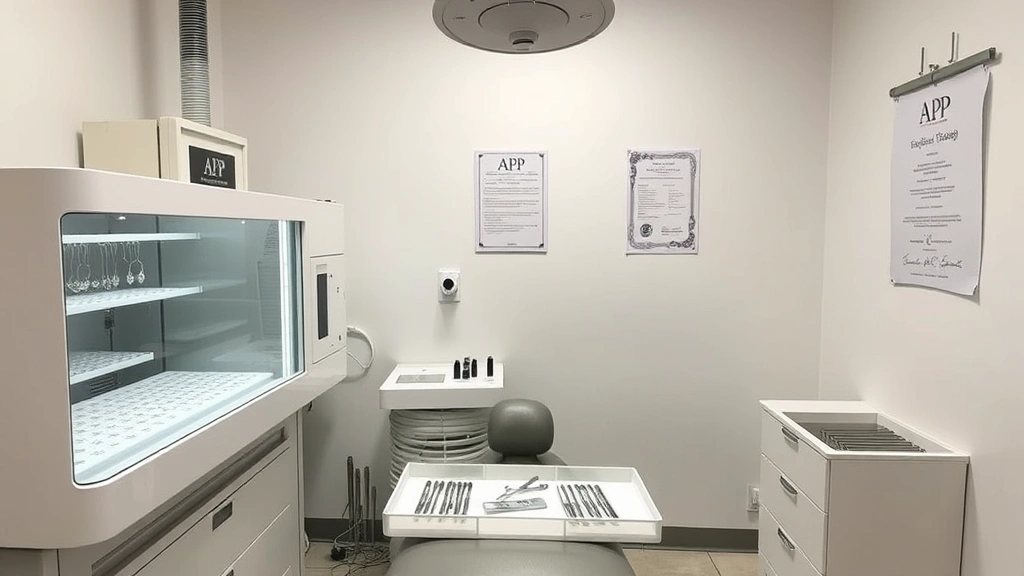
Professional Sterilization Standards. Licensed piercing studios use autoclave machines that use steam sterilization at 250-275°F (121-135°C) under pressure. This process kills all pathogens, including bacterial spores resistant to boiling water. Each instrument is individually wrapped and verified sterile before use. Studios maintain detailed records of sterilization cycles for regulatory compliance.
Boiling water at 212°F (100°C) kills most bacteria and viruses but cannot reliably kill bacterial spores. This is why autoclave sterilization is the gold standard. Additionally, even if you boiled an instrument, contamination can occur during storage, handling, or the piercing process itself if you touch the sterile instrument with unsterile hands.
Jewelry Material Matters. Implant-grade titanium (ASTM F136) and surgical steel (316LVM) resist corrosion and don’t leach metals into fresh piercings. Cheap jewelry contains nickel, which causes allergic reactions in 10-15% of people. Allergic reactions to jewelry create inflammation mimicking infection, delaying healing and increasing complication risk. Professional studios source jewelry from reputable manufacturers meeting ASTM International standards.
Hollow piercing needles create clean wounds that bleed appropriately and heal with minimal scarring. Solid needles, sewing needles, or safety pins crush tissue, creating ragged edges that bleed excessively and scar badly. The difference in healing time is substantial: proper needle piercings heal in 6-8 weeks; DIY crushed tissue piercings take 3-4 months or longer, with higher infection rates throughout.
Infection Risks & Complications
Infection is the most common complication from DIY ear piercing. The ear’s rich blood supply means infections can progress rapidly, spreading to surrounding tissue or becoming systemic. Localized infections cause redness, swelling, pus drainage, and pain that worsens over days. Systemic infections cause fever, chills, and require antibiotic treatment.
Common Infection Bacteria. Staphylococcus aureus, Streptococcus pyogenes, and Pseudomonas aeruginosa are frequent culprits. These bacteria colonize skin naturally but cause infection when introduced deep into tissue through non-sterile piercing. Professional studios’ sterilization protocols eliminate these pathogens; DIY methods cannot reliably do so.
Treating ear infections costs $150-$400 in medical visits and antibiotics. Severe infections requiring IV antibiotics or surgical drainage cost $500-$2,000+. Infections can cause permanent scarring, keloid formation, and cartilage damage. Some infected piercings never heal properly and require surgical closure.
Keloid and Hypertrophic Scarring. Keloids are overgrown scar tissue extending beyond the original wound. Hypertrophic scars remain within the wound boundary but are thick and raised. Both occur more frequently with DIY piercings because crushed tissue triggers excessive immune responses. Keloids are particularly common in individuals with darker skin tones (10-15% prevalence) and can persist for years. Treatment requires dermatology intervention costing $200-$600 per session, with multiple sessions often needed.
Cartilage damage from improper piercing technique can cause permanent deformity. When cartilage is shattered or improperly healed, it may develop visible lumps or become misshapen. Unlike soft tissue, cartilage cannot be easily repaired surgically. This permanent deformity affects appearance and is difficult to correct.
Hematoma Formation. If you pierce a blood vessel, blood accumulates in the tissue pocket, creating a painful swollen bump. Small hematomas reabsorb within days; large ones require medical drainage. Hematomas increase infection risk and complicate healing. Professional piercers’ anatomical knowledge helps them avoid major blood vessels; DIY piercers have no such training.
Aftercare & Healing Timeline
Proper aftercare is essential for successful healing, regardless of professional or DIY piercing. However, if the initial piercing is done improperly, even perfect aftercare cannot overcome the damage.
Earlobe Piercing Healing. Soft earlobe tissue typically heals in 6-8 weeks with proper care. This timeline assumes a clean piercing with minimal tissue damage. DIY piercings often take 3-4 months to heal, with ongoing complications. During healing, the body forms a fistula (tunnel) of epithelial tissue around the jewelry. Improper piercing angles create uneven fistulas that don’t heal symmetrically.
Cartilage Piercing Healing. Cartilage piercings take 4-12 months to fully heal because cartilage has limited blood supply. During this extended healing period, infections are more likely to develop. Cartilage is also prone to keloid formation, especially with improper piercing technique. Professional piercers use proper angles and techniques that minimize keloid risk; DIY methods significantly increase it.
Aftercare Requirements. Proper aftercare involves saline rinses twice daily, avoiding touching the piercing, keeping hair and clothing away from the jewelry, and avoiding swimming or submersion in water. Many people fail at aftercare discipline, but even perfect aftercare cannot compensate for poor initial piercing. A clean professional piercing with mediocre aftercare will likely heal fine; a crushed-tissue DIY piercing with perfect aftercare may still develop complications.
Changing jewelry too early is a common mistake. Earlobe piercings shouldn’t have jewelry changed for at least 6-8 weeks; cartilage piercings need 4-12 months minimum. Changing jewelry early reopens the healing wound, introducing bacteria and extending healing time. Professional piercers educate clients on this; DIY piercers may not realize the danger.
When to See a Professional
If you’re considering any ear piercing, professional studios are the only safe option. The cost savings from DIY are illusory when you factor in infection treatment, keloid removal, or corrective surgery. Just as DIY house painting requires proper technique and equipment, ear piercing demands professional expertise and sterile conditions.
Finding a Reputable Piercer. Look for studios that are members of the Association of Professional Piercers (APP), which sets industry standards for safety and sterilization. APP-affiliated piercers must demonstrate competency, maintain autoclave certification, and follow strict protocols. Studios should display autoclave certification and sterilization records.
Ask about the piercer’s experience and training. Reputable piercers have completed formal apprenticeships and can explain their sterilization process in detail. They should ask about your medical history, current medications, and skin conditions that might affect healing. They should also explain aftercare thoroughly and provide written instructions.
Read online reviews focusing on healing success, infection rates, and customer service. Photos of healed piercings provide valuable insight into the piercer’s skill. Avoid studios with numerous infection complaints or low-quality jewelry options. The lowest price isn’t always the best value; a slightly more expensive piercer with excellent sterilization and jewelry quality is worth the premium.
Special Considerations. Certain individuals should consult healthcare providers before piercing: those with bleeding disorders, immunocompromised individuals, people taking blood thinners, those with history of keloids, and anyone with metal allergies. Professional piercers can accommodate these situations with appropriate precautions and jewelry choices.
FAQ
How much does a professional ear piercing typically cost?
Professional ear piercings typically cost $25-$100 depending on location, piercing type, and studio reputation. Basic earlobe piercings in smaller cities cost $25-$40, while cartilage piercings or major metropolitan locations cost $60-$100. The price usually includes jewelry and is worth the expense for safety and proper technique.
Can I pierce my own ears safely at home?
No. DIY ear piercing carries serious risks including infection, nerve damage, permanent scarring, and cartilage deformity. Household items cannot achieve the sterilization standards required to prevent bloodborne pathogen transmission. Even if infection doesn’t occur, improper technique often results in misaligned piercings, excessive bleeding, and poor healing. The potential complications far exceed any cost savings.
What causes keloids after ear piercing?
Keloids form when the body overproduces collagen during wound healing. DIY piercings create crushed, jagged tissue wounds that trigger excessive immune responses, significantly increasing keloid risk. Professional piercers use proper techniques that minimize tissue damage and keloid development. Individuals with darker skin tones have higher keloid risk and should especially avoid DIY piercing.
How long does an ear piercing take to heal?
Earlobe piercings typically heal in 6-8 weeks with proper care and professional piercing. Cartilage piercings take 4-12 months. DIY piercings often take 3-4 months or longer due to tissue damage. During healing, avoid changing jewelry, swimming, or excessive touching. Aftercare discipline is essential, but cannot compensate for poor initial piercing technique.
What should I do if my piercing gets infected?
If you notice redness, swelling, pus, warmth, or pain that worsens over days, see a healthcare provider immediately. Don’t remove the jewelry, as this can trap infection inside. Professional medical evaluation is necessary to distinguish infection from normal healing irritation. Infections may require oral antibiotics, topical treatments, or in severe cases, IV antibiotics and surgical drainage.
Are there alternatives to traditional ear piercing?
Yes. Clip-on earrings, magnetic earrings, and adhesive earrings provide piercing-like aesthetics without permanent modification. These options work well for people hesitant about permanent piercing or those with medical conditions preventing safe piercing. They’re also reversible if you change your mind about the look.


