Powder Coating Rims Cost: Expert Insights & Pricing Guide
Powder coating your rims is one of the most durable and visually striking finishes available for vehicle wheels. Whether you’re restoring classic car rims, upgrading your truck’s appearance, or simply refreshing worn wheels, understanding the costs involved is essential for budgeting. The price of powder coating rims typically ranges from $150 to $500 per wheel, depending on rim size, condition, complexity, and your geographic location. This comprehensive guide breaks down all factors affecting pricing, helps you understand what you’re paying for, and shows you how to make informed decisions about this popular finishing technique.
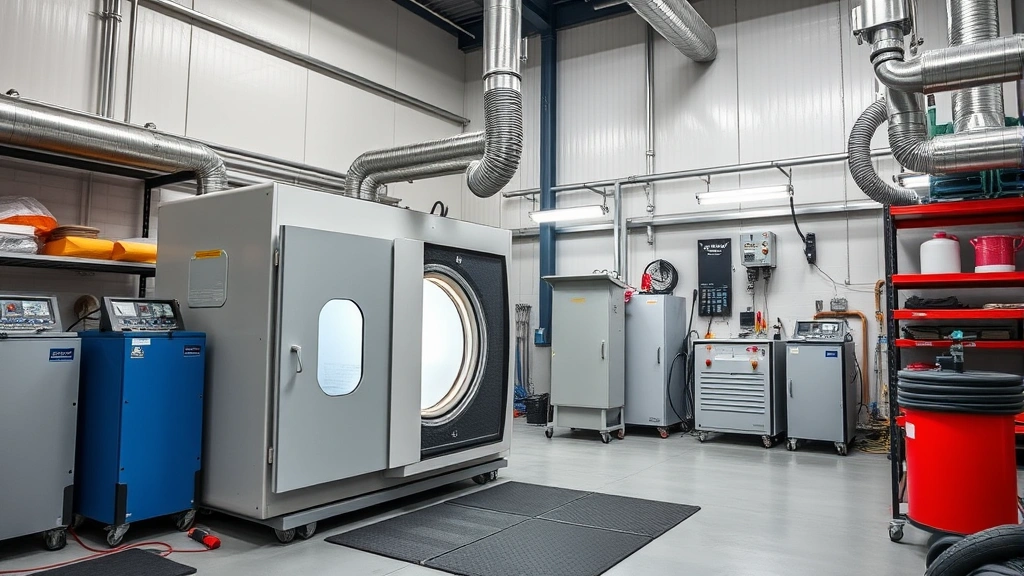
Powder coating has become the industry standard for rim finishing because it offers superior durability compared to traditional paint or chrome plating. The process involves applying a dry powder to metal surfaces using an electrostatic charge, then curing it in an oven to create a hard, protective coating. Unlike liquid paint, powder coating produces no drips, runs, or sags, and creates a uniform finish with exceptional resistance to chipping, fading, and corrosion. If you’re already planning home improvement projects like how much to pave a driveway, understanding finish costs for vehicle components can inform your overall project budgeting approach.
Powder Coating Rims Cost Breakdown
The average cost to powder coat a single rim ranges from $150 to $500, with most professionals charging between $200 and $350 per wheel for standard sizes. For a complete set of four rims, expect to invest $800 to $2,000 for quality professional work. This pricing includes surface preparation, the powder coating application, curing, and basic quality control. However, premium finishes, specialty colors, or oversized wheels can push costs significantly higher.
Many shops offer package pricing when you coat multiple wheels. A set of four 17-inch rims might cost $750 to $1,200, while larger 22-inch wheels could run $1,400 to $2,200 for the complete set. The economies of scale come from reduced setup time and material waste when processing multiple pieces simultaneously. Some facilities also offer discounts for customers bringing in wheels during their slower seasons, typically late fall through early spring.
Professional powder coating shops typically structure pricing in three ways: per-wheel flat rates, size-based pricing, or condition-based quotes. Per-wheel rates simplify budgeting and are most common for standard-sized rims. Size-based pricing reflects the increased material and labor required for larger wheels. Condition-based quotes account for extensive surface preparation needed for heavily damaged or neglected rims.
Factors Affecting Your Final Price
Rim Size and Weight: Larger wheels require more powder material and longer curing times, directly increasing costs. A 15-inch rim might cost $150 to $200, while a 24-inch custom wheel could reach $400 to $550 per piece. Weight also matters because heavier wheels require different handling equipment and may need extended curing cycles.
Rim Condition: Heavily corroded, pitted, or damaged rims demand extensive surface preparation. Light cleaning and light sanding might add $20 to $50 per wheel, while restoration of severely damaged rims could add $100 to $200 per wheel. Shops must remove rust, old paint, clear coat, and any structural imperfections before coating application. This preparation work is crucial for coating adhesion and final appearance.
Material Type: Most automotive rims are aluminum alloy, which powder coats beautifully. However, some specialty wheels contain different materials or composite construction requiring special handling. Steel wheels cost slightly less to prepare and coat than aluminum. Specialty materials may incur surcharges of 15-30% due to different surface treatment protocols.
Geographic Location: Urban areas with multiple powder coating facilities typically have more competitive pricing ($200-$300 per wheel) compared to rural regions ($300-$450 per wheel). Labor costs, facility overhead, and material transportation all vary significantly by region. Coastal areas often have higher prices due to increased material costs and specialized corrosion-resistant formulations.
Powder Color and Finish: Standard solid colors (black, white, silver, gray) are the least expensive. Metallic, pearl, or specialty finishes typically cost 10-30% more. Custom color matching can add another 20-50% to the base price. High-gloss finishes require additional clear coat applications, while textured or matte finishes may require specialized powders costing more per unit.
Preparation and Labor Costs
Surface preparation represents 30-50% of the total powder coating cost and is absolutely critical for durability. Professional facilities use multi-stage preparation processes that significantly impact final pricing. Understanding these stages helps explain why cheap quotes should raise red flags about quality.
Cleaning Stage: Rims are first cleaned in industrial degreasers to remove brake dust, road grime, oil, and contaminants. This typically costs $15 to $30 per wheel and takes 15-30 minutes per set. Some shops include this in their base price, while others charge separately.
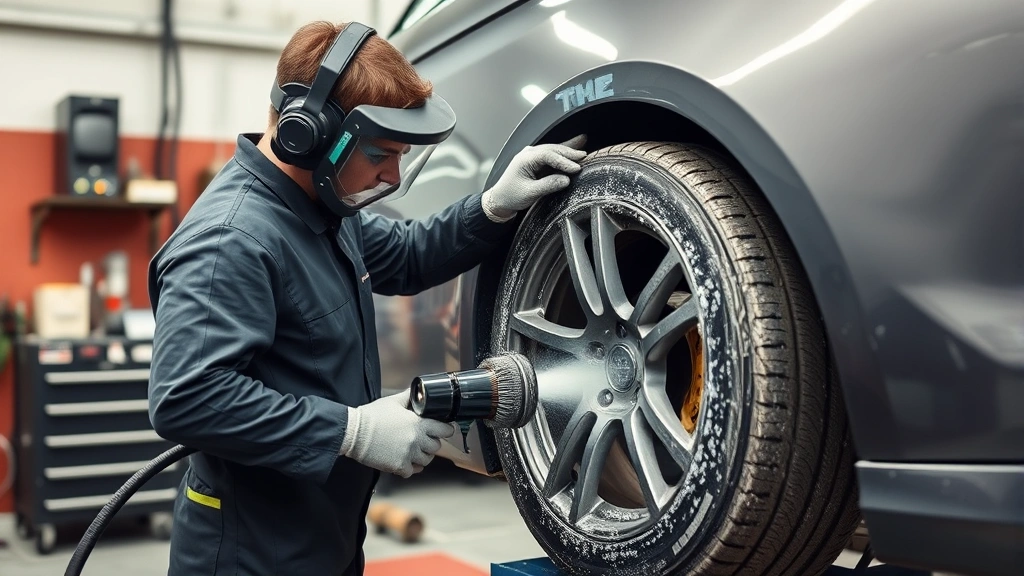
Stripping and Sanding: Old paint, clear coat, and corrosion must be removed. Shops use media blasting (sand, glass bead, or plastic media), grinding, or chemical stripping depending on rim condition. This stage costs $30 to $100 per wheel and takes 1-3 hours per set. Media blasting is most common and produces the cleanest surface for powder adhesion. Chemical stripping works well for delicate wheels but requires proper ventilation and safety equipment.
Masking and Protection: Valve stems, tire mounting surfaces, and brake contact areas must be masked to prevent coating buildup. Professional masking takes 15-30 minutes per wheel and typically costs $10 to $25 per piece. Improper masking can cause fitment problems when reinstalling tires.
Labor and Application: Trained technicians apply powder coating using electrostatic spray guns. This skilled work typically costs $50 to $100 per wheel depending on complexity. Multiple thin coats provide better coverage than single heavy applications. Application time ranges from 30 minutes to 2 hours per set depending on rim complexity and desired finish quality.
Curing and Quality Control: Rims are cured in industrial ovens at controlled temperatures (typically 350-400°F) for 10-30 minutes. Curing time affects shop throughput and labor costs. Quality control inspections, touch-ups, and final cleaning add another $20 to $50 per wheel to the total cost.
Color and Finish Options
Powder coating offers virtually unlimited color and finish possibilities, with pricing varying based on complexity. Understanding the options helps you choose finishes that fit your budget and aesthetic goals.
Standard Solid Colors: Black, white, silver, gray, and basic red or blue are the most economical options at $150-$250 per wheel. These colors use standard powder formulations readily available from major manufacturers. High volume demand keeps prices competitive and allows shops to maintain inventory efficiency.
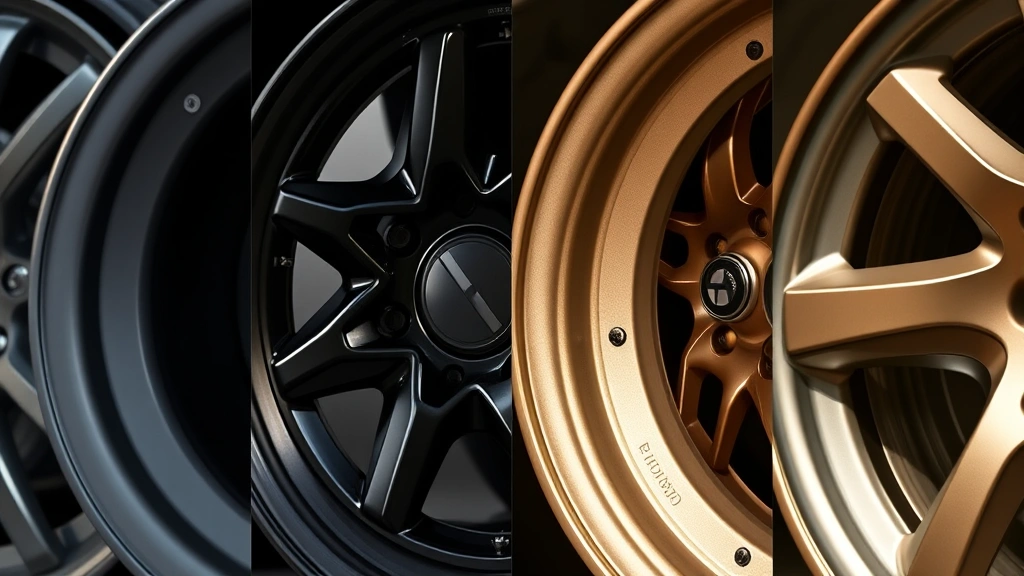
Metallic and Pearl Finishes: These specialty powders contain mica or aluminum particles creating depth and movement in the finish. Expect to pay 15-30% premiums, typically $200-$350 per wheel. Popular metallic options include gunmetal, bronze, champagne, and chrome. Pearl finishes add even more visual appeal but may cost an additional 10-15% over standard metallics.
Matte and Satin Finishes: These trendy options cost 10-20% more than glossy equivalents, running $180-$320 per wheel. Matte finishes require specialized powder formulations and application techniques to achieve consistent appearance without glossy spots. Satin finishes offer a subtle sheen between matte and gloss.
Textured Finishes: Orange peel, wrinkle, or powder-coat texture finishes create distinctive looks and may cost 20-40% more than smooth finishes, typically $220-$400 per wheel. These finishes hide minor imperfections and add visual interest but can be more difficult to clean.
Custom Color Matching: Matching your vehicle’s paint color or creating a custom shade typically adds $50 to $150 per wheel to base pricing. Shops must source or mix custom powder, perform test applications, and potentially make multiple adjustments. This process extends turnaround time by 1-2 weeks.
DIY vs Professional Services
While DIY powder coating is theoretically possible, it’s rarely practical or cost-effective for rims. Professional facilities offer advantages that justify their costs. Understanding this comparison helps you make informed decisions about your project approach.
Professional Advantages: Commercial powder coating facilities invest $50,000 to $500,000 in specialized equipment including industrial ovens, electrostatic spray systems, blast cabinets, and ventilation systems. Professional-grade equipment produces superior finishes with consistent results. Trained technicians have years of experience troubleshooting application issues, managing cure times, and achieving flawless results. Environmental controls in commercial facilities ensure proper powder adhesion and cure quality. Professional shops carry liability insurance and offer warranties on their work, typically 2-5 years depending on the shop and finish type.
DIY Challenges: Home powder coating attempts require purchasing or renting specialized equipment costing $2,000 to $10,000. Electrostatic spray guns, industrial ovens, and proper ventilation systems are essential for quality results. Most homeowners lack the technical expertise to troubleshoot application problems, manage cure temperatures, and achieve professional finishes. Improper application often results in orange peel texture, uneven coverage, or poor adhesion requiring costly rework. Safety concerns include electrical hazards, powder inhalation risks, and oven burn dangers. Home ovens cannot reach the controlled temperatures required for proper powder cure, and residential electrical systems typically cannot support industrial spray equipment.
Cost Comparison: Equipment investment alone makes DIY impractical for one-time rim coating. Even if you attempted DIY on a budget, material costs ($100-$200 for powder), rental equipment ($300-$600), and inevitable failures would quickly exceed professional shop pricing. Professional shops benefit from bulk powder purchases, established vendor relationships, and equipment amortization across hundreds of projects annually. For a single rim set, professional service typically costs 40-60% less than DIY when accounting for all factors.
Money-Saving Tips
Shop Multiple Facilities: Powder coating pricing varies significantly between shops. Obtain quotes from at least three local facilities and compare pricing, warranty offerings, and turnaround times. Don’t automatically choose the cheapest option—quality and durability matter. A $50 premium per wheel might mean a 5-year versus 2-year warranty, making it excellent value.
Timing Your Project: Schedule powder coating during slower seasons (November through February) when shops offer discounts of 10-20% to maintain steady workflow. Many facilities run promotional pricing during these periods to keep their crews busy. Spring and summer are peak seasons with higher demand and fewer discounts.
Combine Services: If you need other services like how much does it cost to add a bathroom or similar home improvements, bundling automotive services might yield package discounts. Some shops offer discounts for customers bringing in multiple wheel sets simultaneously or combining rim coating with other powder coating projects.
Prepare Your Rims: Some shops offer discounts if you pre-clean or pre-strip rims before drop-off. Light cleaning and removing loose debris can save $20 to $50 per wheel. However, professional preparation is still essential—don’t attempt media blasting or aggressive stripping without proper equipment as you’ll likely damage the rims.
Negotiate Warranty Terms: Standard warranties are 2-3 years, but negotiating extended warranties (5-7 years) may only cost 10-20% more. Longer warranties provide better long-term value and peace of mind, especially if you plan to keep your vehicle for many years.
Choose Standard Colors: Selecting standard colors instead of custom or metallic finishes saves 15-30% on coating costs. If your vehicle color isn’t critical, standard black, white, or silver rims work with most vehicles and cost significantly less than custom matching.
Finding Quality Powder Coating Services
Locating a reputable powder coating shop ensures you receive quality work and fair pricing. Several resources help identify trustworthy facilities in your area. The Powder Coating Institute maintains directories of certified professional applicators meeting strict quality standards. These shops have demonstrated expertise and commitment to best practices in powder coating application and safety.
Research and Verification: Check online reviews on Google Maps, Yelp, and automotive forums focusing on customer experiences with quality, turnaround time, and durability. Ask for before-and-after photos of previous rim projects. Professional shops maintain portfolios showing their work quality and finish options. Verify that shops carry proper liability insurance and maintain current business licenses. Don’t hesitate to ask about their preparation processes, powder sources, and equipment specifications.
Questions to Ask: Inquire about their surface preparation procedures and whether they use media blasting, grinding, or chemical stripping. Ask about their powder suppliers and whether they use name-brand formulations from reputable manufacturers like PPG, Sherwin-Williams, or Axalta. Request their standard warranty terms and whether extended warranties are available. Ask about turnaround times, whether rush services are available, and their policies for damaged rims discovered during preparation.
Red Flags to Avoid: Be cautious of shops offering prices 30-40% below market rates—quality corners are being cut somewhere. Avoid facilities that don’t discuss preparation procedures in detail or offer vague answers about their processes. Skip shops without proper ventilation systems or safety equipment visible in their facility. Avoid places that can’t provide references or before-and-after photos. Don’t use shops that refuse to discuss warranty terms or try to avoid written agreements.
Professional Certifications: The International Code Council and American Society of Mechanical Engineers establish standards for coating facilities and equipment. Certified applicators have completed training programs and maintain compliance with environmental and safety regulations. Look for shops displaying certifications from the Powder Coating Institute or similar professional organizations.
When discussing your project with potential shops, be specific about your expectations. Describe how you plan to use the rims—daily driving, show vehicle, off-road use, or storage. Different usage patterns may warrant different coating specifications or thickness. Share your budget parameters so shops can recommend finishes within your price range. Ask whether they recommend matte clear coats for added protection on exposed finishes, as this can extend durability by 2-3 years for only $30 to $50 per wheel additional cost.
FAQ
How much does it cost to powder coat 4 rims?
A complete set of four rims typically costs $800 to $2,000 for professional powder coating. Standard 17-inch wheels in common colors run $750 to $1,200, while larger 22-inch wheels in specialty finishes can reach $1,800 to $2,200. Most shops offer volume discounts when coating multiple wheels simultaneously, reducing the per-wheel cost by 10-15% compared to single-wheel pricing.
Is powder coating rims worth the cost?
Yes, powder coating represents excellent long-term value for vehicle wheels. The finish lasts 5-10 years with proper care, compared to 2-3 years for traditional paint or chrome plating. Powder coating resists corrosion, brake dust, and UV damage better than alternatives. If you plan to keep your vehicle long-term or want rims to look pristine, the investment pays dividends through durability and appearance retention.
Can I powder coat rims myself?
DIY powder coating rims is extremely challenging and rarely economical. Specialized equipment costing $5,000 to $15,000 is required, including industrial ovens, electrostatic spray systems, and proper ventilation. Professional results demand technical expertise most homeowners lack. Professional shops typically cost less than DIY when accounting for equipment rental, material purchases, and likely failures. If you’re interested in hands-on projects, consider learning about DIY house painting instead, which has lower equipment barriers to entry.
How long does powder coating take?
Turnaround time for powder coating typically ranges from 3-7 business days. Simple jobs with standard colors may complete in 2-3 days. Complex projects with custom colors, extensive preparation, or specialty finishes require 5-10 days. Some shops offer rush services for 30-50% premium, reducing turnaround to 24-48 hours. Always confirm turnaround times when obtaining quotes, as this affects your vehicle availability.
What warranty comes with powder coating?
Standard warranties typically cover 2-3 years against peeling, chipping, or adhesion failure. Premium shops offer 5-7 year warranties with extended coverage options. Warranties generally exclude damage from accidents, improper maintenance, or off-road use causing impact damage. Always request warranty details in writing and understand what’s covered before committing to a shop.
Can I powder coat custom wheels with inserts or complex designs?
Yes, but complex wheel designs with multiple pieces, inserts, or intricate machining cost significantly more—typically 30-50% premium over standard wheels. Shops must carefully mask inserts, handle assembly/disassembly, and ensure coating doesn’t interfere with wheel function. Ask shops about their experience with your specific wheel design before committing.
What colors are most popular for powder-coated rims?
Gunmetal gray, matte black, gloss black, bronze, and silver are the most popular choices. These colors complement most vehicle colors and offer timeless appeal. Specialty colors like champagne, pearl white, and candy colors are increasingly popular for show vehicles. Standard colors cost least, while custom colors or exotic finishes command 20-50% premiums.
Will powder coating affect my tire pressure monitoring sensors?
Professional shops mask tire pressure sensors and valve stems during coating, preventing powder buildup. However, inform your coating facility that your wheels have sensors so they can take appropriate precautions. Properly masked sensors function normally after coating.
Understanding powder coating costs empowers you to make informed decisions about your rim finishing project. Whether you choose professional services or explore alternatives, the investment in quality finishes protects your vehicle’s appearance and resale value. Request quotes from multiple reputable facilities, compare warranties and turnaround times, and remember that the cheapest option often costs more in the long run through premature failure or substandard results.


