
Refill Car AC: Mechanic’s Cost Breakdown
Your vehicle’s air conditioning system is one of the most critical comfort features, especially during hot summer months. When your AC starts blowing warm air, the first question that comes to mind is: how much to refill air conditioning in car? Understanding the costs involved helps you make informed decisions about whether to visit a mechanic, attempt a DIY refill, or explore other options. This comprehensive guide breaks down every expense associated with AC recharging, from refrigerant costs to labor charges.
The automotive air conditioning system relies on refrigerant to absorb heat from inside your vehicle and release it outside. Over time, refrigerant levels naturally decline due to minor leaks or normal system operation. When levels drop below manufacturer specifications, your AC loses cooling efficiency and eventually fails to produce cold air. Knowing what to expect cost-wise prevents sticker shock at the repair shop and helps you understand whether quoted prices are fair and reasonable.
Average Mechanic Costs for AC Refill
The typical cost to refill your car’s air conditioning system ranges from $150 to $300 at most mechanic shops and dealerships. This price includes both the refrigerant and labor for the refill procedure. However, several variables influence where your specific repair falls within this range. Geographic location plays a significant role—urban areas with higher overhead costs typically charge more than rural shops. Dealerships generally cost 20-40% more than independent mechanics for the same service.
A basic AC recharge at a quick-lube facility might cost as little as $100-$150, while dealerships often charge $200-$350 depending on your vehicle’s make and model. Luxury and import vehicles typically cost more due to specialized equipment and refrigerant requirements. The actual refrigerant itself represents only $20-$50 of the total bill, with the remainder covering shop overhead, equipment use, and technician labor. When you’re exploring cost considerations for home projects, understanding these service breakdowns helps you budget appropriately.
Many shops offer package deals that bundle diagnostics, recharge, and minor repairs into a single price point. These packages often provide better value than paying separately for each service. Before committing, always request a detailed written estimate that itemizes refrigerant costs, labor time, and any diagnostic charges. This transparency allows you to compare quotes between different shops and identify fair pricing in your area.
Refrigerant Types and Pricing
Your vehicle uses one of three main refrigerant types, each with different costs and availability. R-134a is the most common refrigerant found in vehicles manufactured after 1994. It costs approximately $15-$30 per pound, with most vehicles requiring 2-4 pounds per refill. R-134a is widely available and relatively affordable, making it the most economical option for most car owners.
Older vehicles manufactured before 1994 use R-12 (Freon), which is significantly more expensive at $50-$100+ per pound. The EPA heavily restricted R-12 production due to ozone-depletion concerns, creating supply scarcity and inflating prices. If your classic car still uses R-12, mechanics often recommend converting the system to R-134a to reduce costs, though this requires component modifications and additional labor expenses.
Newer vehicles, particularly luxury brands and models from 2017 onward, increasingly use R-1234yf, an environmentally friendly refrigerant that costs $30-$60 per pound. This newer refrigerant is more expensive than R-134a but represents the automotive industry’s future direction. Some mechanics charge premium rates for R-1234yf service due to specialized equipment requirements and technician certification needs.
The total refrigerant cost depends on how much your system requires. Most vehicles need 2-4 pounds, translating to $30-$240 in refrigerant expenses alone. Larger vehicles, trucks, and SUVs may require up to 5 pounds, pushing refrigerant costs higher. Always confirm your vehicle’s specific refrigerant type and capacity by checking your owner’s manual or asking your mechanic before scheduling service.

Labor Charges Explained
Labor represents the largest portion of your AC refill bill, typically ranging from $75-$150 per hour depending on shop rates and your location. A standard AC recharge takes 30 minutes to 1.5 hours, though this varies based on system accessibility and required diagnostics. Technician experience level affects labor time—certified master technicians may charge more but work faster, while newer technicians might take longer but charge lower rates.
Dealership labor rates typically run $100-$200 per hour, significantly higher than independent shops charging $50-$100 per hour. However, dealerships often employ highly trained technicians familiar with your specific vehicle model and may have manufacturer-approved parts and procedures. Independent mechanics offer cost savings but with varying skill levels and equipment quality.
Some shops charge flat-rate pricing for AC service rather than hourly rates. A flat rate of $150-$200 for a simple recharge without repairs provides price certainty and often represents good value. However, if complications arise requiring additional diagnostics or repairs, you may be charged separately for extra work.
Labor time increases significantly if your mechanic discovers system problems during the recharge process. Contaminated refrigerant, low-pressure switches requiring replacement, or compressor issues necessitate additional diagnostic time and potentially expensive repairs. This is why understanding potential project costs and hidden expenses upfront helps prevent budget surprises.
Diagnostic Fees and Leak Detection
Many shops charge separate diagnostic fees ranging from $50-$150 to identify AC system problems before performing service. This fee covers pressure testing, refrigerant level assessment, and visual inspection for obvious leaks. Some mechanics waive the diagnostic fee if you proceed with repairs, while others apply it toward your final bill.
If your mechanic suspects refrigerant leaks, leak detection service costs an additional $75-$150. This process involves pressurizing the system with nitrogen, applying UV dye that glows under special lighting, or using electronic leak detection equipment. Identifying leak locations before refilling prevents wasting refrigerant and ensures lasting repairs.
A full AC system evacuation and recharge, recommended when severe contamination or leaks are present, costs $200-$400. This process removes all refrigerant, cleans system components, and refills with fresh refrigerant. While more expensive initially, evacuation prevents future complications and ensures optimal system performance. Many mechanics recommend evacuation every 5-10 years as preventive maintenance.
Leak location affects repair costs dramatically. A small leak at a hose connection might cost $100-$200 to repair, while compressor seal leaks requiring compressor replacement can exceed $800-$1,500. This distinction makes leak detection invaluable—knowing whether you need a simple refill or major repairs prevents unexpected expenses. Understanding project scope and potential complications applies equally to automotive maintenance.
DIY vs Professional Service
DIY AC refill kits available at auto parts stores cost $30-$60 and include refrigerant, hose adapters, and basic instructions. These kits appeal to budget-conscious car owners but come with significant limitations and risks. DIY refilling requires no special certifications, though proper technique proves challenging for inexperienced users.
The primary advantage of DIY service is cost savings—you pay only for refrigerant without labor charges. However, DIY refills often result in overcharging or undercharging, both of which damage your AC system. Overcharging causes excessive pressure that stresses the compressor, while undercharging reduces cooling efficiency. Additionally, DIY refills cannot address underlying system problems like leaks, contamination, or component failures.
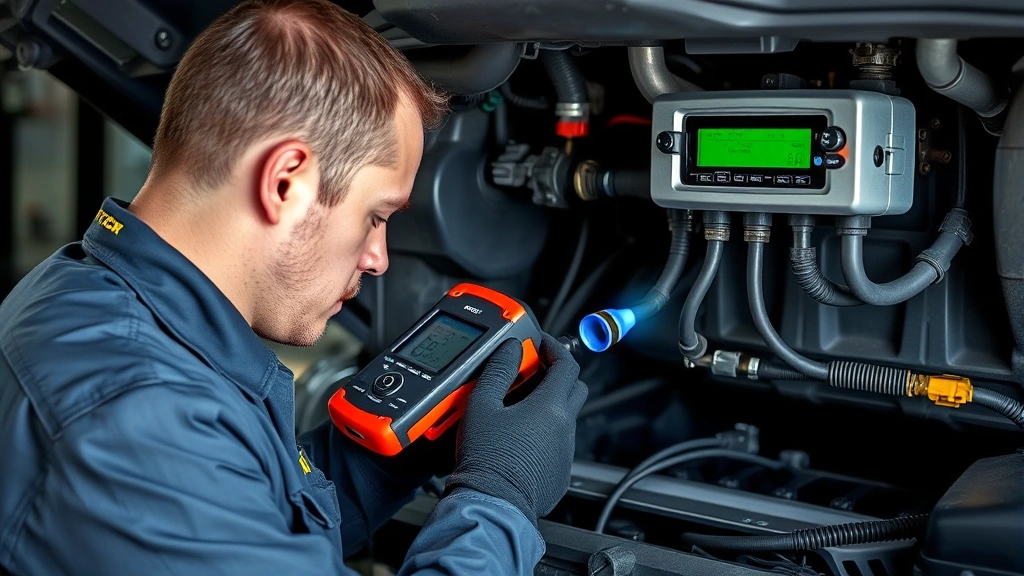
Professional mechanics possess certified equipment for accurate pressure readings, proper refrigerant handling, and system diagnostics. They identify problems before they become expensive repairs and ensure your system receives the correct refrigerant type and quantity. Professional service includes warranties on parts and labor, protecting your investment.
Environmental and legal considerations also favor professional service. Refrigerant handling requires EPA Section 608 certification, and improper venting of refrigerant violates federal law with potential fines up to $10,000. Professional shops follow strict environmental protocols and maintain proper documentation of refrigerant disposal and recovery.
For most car owners, professional AC refill service provides better value despite higher upfront costs. The diagnostic capabilities, proper equipment, and warranty protection justify the expense compared to risky DIY attempts that often create larger problems.
Additional Repairs and Hidden Costs
A straightforward AC refill may reveal additional problems requiring repairs. Compressor failure, the most expensive issue, costs $400-$1,200 to replace depending on your vehicle. The compressor is the heart of your AC system, and replacement requires evacuation, component removal, installation of new parts, and system recharge.
Condenser replacement runs $300-$800, while evaporator replacement costs $200-$600. These components deteriorate over time, especially in vehicles exposed to extreme temperatures or poor maintenance. If your mechanic discovers component failure during diagnostics, expect significant additional charges beyond the basic refill cost.
Hose and connection replacements typically cost $100-$300, depending on the number of damaged components and accessibility. Rubber hoses degrade over 10-15 years, developing small leaks that gradually reduce refrigerant levels. Replacing hoses during AC service prevents future problems and extends system longevity.
Compressor oil top-off, sometimes required during recharge procedures, adds $50-$100 to your bill. The oil circulates with refrigerant to lubricate compressor components. Low oil levels indicate potential leaks or system stress and should be addressed promptly.
Expansion valve replacement, needed when the valve fails to regulate refrigerant flow properly, costs $150-$400. This component is critical for system efficiency, and failure results in poor cooling performance or compressor damage if left unaddressed. Always ask your mechanic about any additional repairs they recommend and why, ensuring you understand the necessity and cost-benefit analysis.
Money-Saving Tips
Regular AC maintenance prevents expensive repairs and extends system lifespan. Running your AC for 10-15 minutes monthly during winter months keeps seals conditioned and prevents refrigerant leaks. This simple habit costs nothing but provides significant protection against system degradation.
Obtaining multiple quotes from different shops helps identify fair pricing and competitive service. Call at least three mechanics, describe your AC symptoms, and request written estimates. Comparing quotes reveals price variations and helps you understand local market rates. Avoid choosing based solely on lowest price—consider shop reputation, technician certification, and warranty offerings.
Addressing AC problems promptly prevents cascading failures. A small refrigerant leak today becomes a compressor failure tomorrow if ignored. Early intervention through professional diagnostics costs less than major repairs resulting from neglected problems. This preventive approach applies to home maintenance projects as well.
Negotiating bundled service deals with your mechanic often yields discounts. If you need AC service, oil changes, and filter replacements, ask about package pricing. Many shops offer 10-15% discounts when you combine multiple services, reducing overall costs while ensuring comprehensive vehicle maintenance.
Choosing independent mechanics over dealerships saves 20-40% on service costs without sacrificing quality. Certified independent shops employ skilled technicians and often provide warranty coverage comparable to dealerships. Research local independent mechanics through online reviews and referrals to find trustworthy, reasonably priced service providers.
Seasonal timing affects AC service availability and pricing. Scheduling service during spring or fall, outside peak cooling season, often results in faster appointments and potentially lower prices. Summer demand drives up service costs and extends appointment wait times, making off-season service more economical.
FAQ
How often should I refill my car’s air conditioning?
Most vehicles require AC refill every 2-3 years if the system is functioning properly. However, systems with leaks may need refills annually or more frequently. Regular professional inspections identify problems early, preventing frequent refills and expensive repairs. If you’re refilling more than once yearly, your mechanic should investigate underlying causes rather than repeatedly charging the system.
Can I refill my AC if I don’t know what refrigerant my car uses?
Never guess your vehicle’s refrigerant type—using the wrong refrigerant can damage your AC system irreparably. Always consult your owner’s manual, check the AC compressor label, or ask a professional mechanic before purchasing refrigerant. Mixing refrigerants creates contamination requiring expensive system evacuation and cleanup. Professional mechanics automatically use the correct refrigerant for your specific vehicle.
What’s the difference between AC recharge and AC evacuation?
AC recharge adds refrigerant to bring levels back to manufacturer specifications, typically costing $150-$300. AC evacuation removes all refrigerant and contaminants using specialized equipment, then refills with clean refrigerant, costing $200-$400. Evacuation is recommended when the system has been open for repairs, contains contaminated refrigerant, or hasn’t been serviced in many years. Recharge suffices for routine maintenance on properly functioning systems.
Why does my AC need refilling if there are no visible leaks?
Small refrigerant leaks often occur at microscopic levels imperceptible to visual inspection. Hose connections, compressor seals, and component interfaces naturally weep tiny amounts of refrigerant over time. Additionally, normal system operation causes gradual refrigerant loss, especially in older vehicles. Professional diagnostics reveal hidden problems that visual inspection misses.
Is it worth replacing my AC system if repairs exceed $1,000?
For older vehicles with high mileage, expensive AC repairs may warrant system replacement or vehicle replacement consideration. However, for newer vehicles with lower mileage, most repairs prove worthwhile since AC systems typically last 10-15 years with proper maintenance. Calculate repair costs versus vehicle age and overall condition before deciding. Many repair shops help you evaluate long-term cost-benefit analysis.
What warranty coverage should I expect for AC refill service?
Most reputable shops offer 12-month or 12,000-mile warranties on AC refill service, guaranteeing refrigerant levels and basic system function. Parts replaced during service typically carry longer warranties, sometimes up to 3 years. Always request warranty details in writing before approving service. Dealership warranties often exceed independent shop warranties, though at higher service costs.
Can extreme temperatures affect AC refill costs?
Yes, extremely hot climates may require more frequent refills due to increased system stress and evaporation rates. Cold climates experience fewer AC demands but may develop leaks if the system sits unused for extended periods. Regardless of climate, professional diagnostics ensure your specific system receives appropriate service rather than assuming climate-based needs.


