Custom MVM Upgrades: Expert Tips & Techniques for Maximum Home Value
Manufactured and modular homes (MVM) represent a significant investment, and strategic upgrades can dramatically enhance both functionality and resale value. Unlike traditional stick-built homes, MVM properties require specialized knowledge when adding custom improvements. Understanding the unique construction methods, structural limitations, and manufacturer specifications ensures your upgrades are both safe and effective. This comprehensive guide walks you through proven techniques for transforming your MVM into a personalized, high-performing living space.
Whether you’re planning your first renovation or tackling a complete overhaul, knowing how to add custom upgrades to MVM requires balancing aesthetic improvements with technical considerations. From foundation modifications to interior enhancements, each project demands careful planning and adherence to building codes specific to manufactured housing. Our expert tips will help you maximize your investment while maintaining structural integrity and warranty protection.
Understanding MVM Construction and Upgrade Compatibility
Manufactured and modular homes differ significantly from traditional construction, featuring lightweight steel frames, engineered lumber components, and integrated utility systems. Before implementing any custom upgrades, you must understand your home’s specific construction method. Most MVMs use a steel I-beam chassis with floor joists spaced 24 inches on center, compared to the standard 16-inch spacing in conventional homes. This affects load-bearing capacity and structural modifications.
The walls in manufactured homes typically contain less insulation and use thinner framing materials than site-built homes. When planning upgrades like basement finishing or foundation work, account for these differences. Additionally, MVM roofs often have lower pitch angles and different truss configurations. Your home’s manufacturer documentation provides critical specifications about maximum load ratings, approved modification methods, and warranty implications. Always obtain this information before beginning any structural work.
Understanding the difference between load-bearing and non-load-bearing walls is essential. In MVMs, the perimeter walls are typically load-bearing, while interior walls are often non-load-bearing partitions. Removing or modifying any wall requires engineering calculations to ensure the structure remains sound. Many manufacturers prohibit certain modifications entirely, so reviewing your home’s specifications prevents costly mistakes and potential safety hazards.
Pre-Upgrade Assessment and Planning
Successful MVM upgrades begin with thorough assessment and detailed planning. Start by obtaining your home’s original specifications, manufacturer manual, and any previous modification records. Document current dimensions, structural details, utility locations, and existing conditions with photographs and measurements. This baseline information informs all subsequent decisions and helps identify potential conflicts before they become problems.
Create a comprehensive upgrade plan that prioritizes projects based on impact, budget, and feasibility. Consider whether your goals involve immediate improvements or long-term enhancements. Distinguish between cosmetic upgrades like house painting projects and structural modifications requiring professional input. Establish a realistic budget accounting for materials, tools, permits, and professional services. Many homeowners underestimate costs by 20-30%, so include contingency funding.
Assess your skill level honestly. While DIY projects reduce costs, complex upgrades like electrical system modifications or structural changes require licensed professionals. Security system installations and other technical upgrades may fall into gray areas where professional consultation prevents problems. Create a timeline that accounts for permit acquisition, material delivery, and project completion. Rushing upgrades often results in code violations and costly corrections.
Key Assessment Questions:
- What is the current condition of structural components?
- Are utilities properly sized for proposed upgrades?
- Does your home’s foundation support additional load?
- Which modifications require manufacturer approval?
- What permits does your jurisdiction require?
- Will upgrades affect your home’s warranty?
Structural and Foundation Upgrades
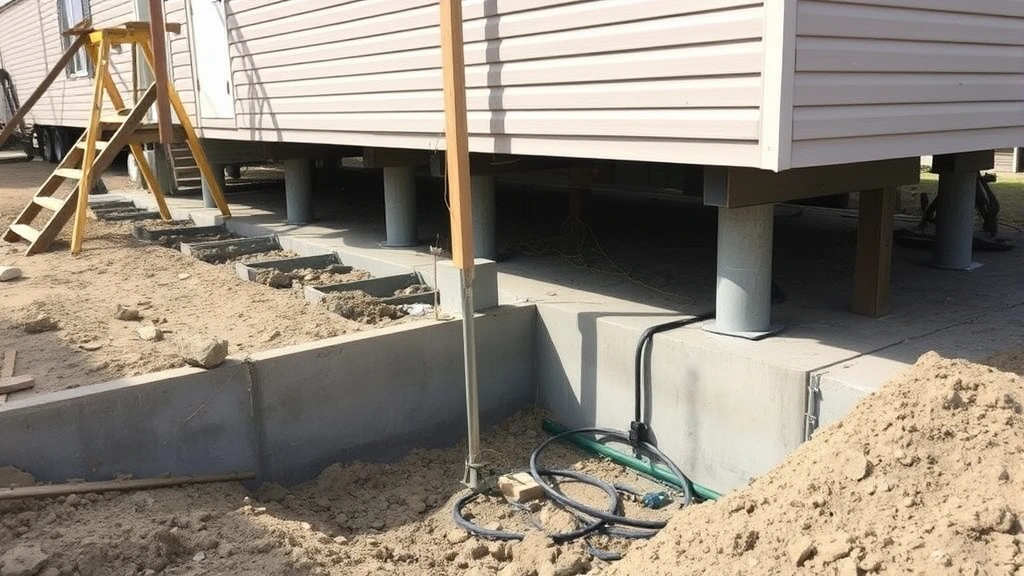
Foundation improvements represent one of the most impactful custom upgrades for MVM properties. Standard manufactured homes typically rest on concrete blocks or piers, which can shift over time due to settling, frost heave, or soil movement. Upgrading to a permanent foundation—either a concrete slab or stem wall—significantly improves stability, reduces future maintenance, and increases resale value by 5-15% in many markets.
When installing permanent foundations, work with engineers experienced in MVM construction. The process involves carefully lifting your home, removing the temporary support system, and constructing a new foundation beneath. This complex project requires proper equipment, sequencing, and compliance with local building codes. International Building Code (ICC) standards govern foundation requirements, though manufactured home-specific regulations may apply in your jurisdiction.
Minor foundation upgrades include reinforcing existing piers, adding cross-bracing to improve lateral stability, and installing moisture barriers to prevent water intrusion. These improvements enhance structural integrity without requiring complete foundation replacement. Address any existing foundation issues before undertaking other upgrades, as structural movement compromises all subsequent work. Professional engineers can assess your current foundation and recommend appropriate upgrades based on soil conditions, climate factors, and your home’s specific requirements.
Skirting upgrades provide both aesthetic and functional benefits. Quality skirting materials—including vinyl, fiber cement, or metal—protect the undercarriage from weather damage and pests. Ensure proper ventilation beneath the home to prevent moisture accumulation and maintain air circulation. Install access panels for utility maintenance and compliance with local ventilation requirements. Coordinate skirting installation with foundation work to ensure proper integration and long-term durability.
Interior Enhancement Techniques
Interior upgrades transform daily living while often requiring less complex modifications than structural work. Adding crown molding and trim work creates visual sophistication and increases perceived value. Unlike structural modifications, trim installation involves straightforward carpentry skills accessible to motivated DIYers. Ensure trim materials are properly secured to wall framing and finished with quality paint or stain.
Flooring upgrades significantly impact both aesthetics and functionality. DIY flooring installation offers excellent ROI when executed properly. Laminate, vinyl, and engineered hardwood provide durable, attractive alternatives to original flooring. Ensure subfloors are properly prepared and level before installation. MVM homes sometimes have slightly uneven floors, requiring careful leveling and transition management. Consider moisture barriers in bathrooms and kitchens, where MVM homes are particularly susceptible to water damage.
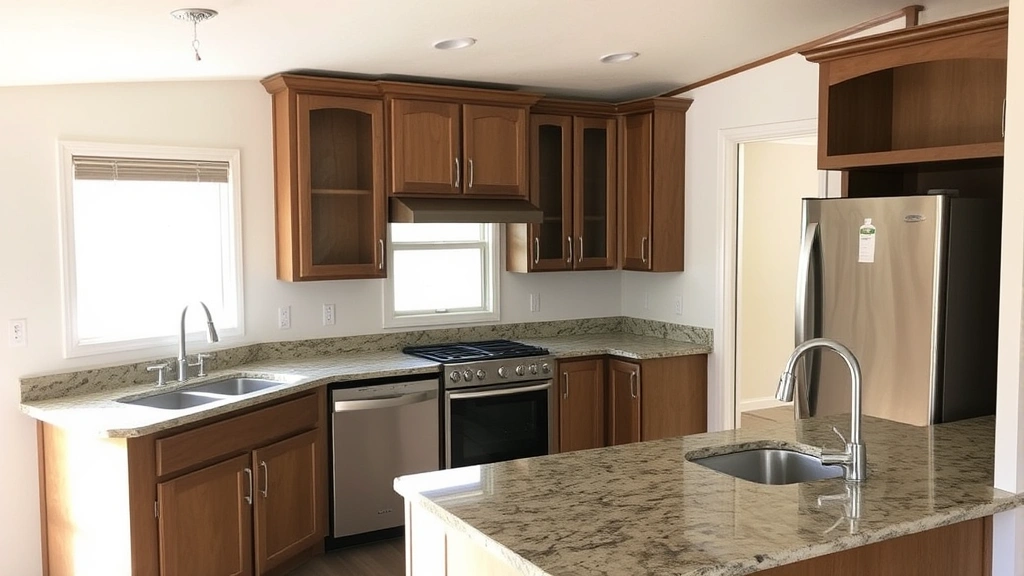
Kitchen and bathroom renovations provide substantial value improvements. These wet areas require particular attention to waterproofing and ventilation in MVM construction. Upgrade to modern fixtures, improve ventilation with properly sized exhaust fans, and ensure plumbing connections meet current code standards. Wall treatments in these spaces should include proper moisture barriers and mold-resistant materials. High-quality caulking and sealants prevent water intrusion into wall cavities.
Maximize storage and functionality through strategic interior modifications. Adding closet organizers, installing built-in shelving, and reconfiguring cabinet layouts improve daily usability. These modifications require minimal structural changes while dramatically improving perceived space and organization. Consider vertical storage solutions that take advantage of MVM homes’ typically lower ceiling heights.
Mechanical System Improvements
Upgrading mechanical systems—HVAC, plumbing, and electrical—significantly improves comfort, efficiency, and safety. However, these systems require licensed professionals in most jurisdictions. Never attempt major modifications to electrical or gas systems without proper credentials and permits. These upgrades directly impact safety and must comply with National Fire Protection Association (NFPA) standards and local electrical codes.
HVAC upgrades deserve priority attention. Original MVM heating and cooling systems often lack efficiency and capacity for modern living standards. Newer systems provide better temperature control, improved air quality, and reduced energy consumption. Ensure ductwork is properly sealed and insulated, addressing leaks that compromise efficiency. Many MVM homes have undersized return air systems; upgrading to proper sizing improves performance significantly.
Plumbing improvements include replacing old copper or galvanized lines with modern PEX or copper tubing, upgrading to on-demand water heaters, and installing efficient fixtures. Proper water pressure regulation prevents damage to fixtures and reduces water waste. Ensure hot water lines are insulated to improve efficiency and reduce scalding risks. Professional plumbers can identify and correct existing code violations while implementing upgrades.
Electrical system upgrades address capacity limitations common in older MVM homes. Modern households demand significantly more electrical power than homes built decades ago. Upgrading from 100-amp to 200-amp service, adding dedicated circuits, and installing GFCI outlets in appropriate locations improves safety and functionality. Licensed electricians should handle all electrical work, including rough-in and final inspections.
Exterior and Aesthetic Upgrades
Exterior improvements enhance curb appeal, weatherproofing, and long-term durability. Roof replacements address the most critical weatherproofing element. MVM roofs often use composition shingles with shorter lifespans than conventional homes. Quality replacement roofing—including architectural shingles or metal roofing—provides superior protection and longevity. Ensure proper ventilation and underlayment installation to prevent premature failure and ice dam formation in cold climates.
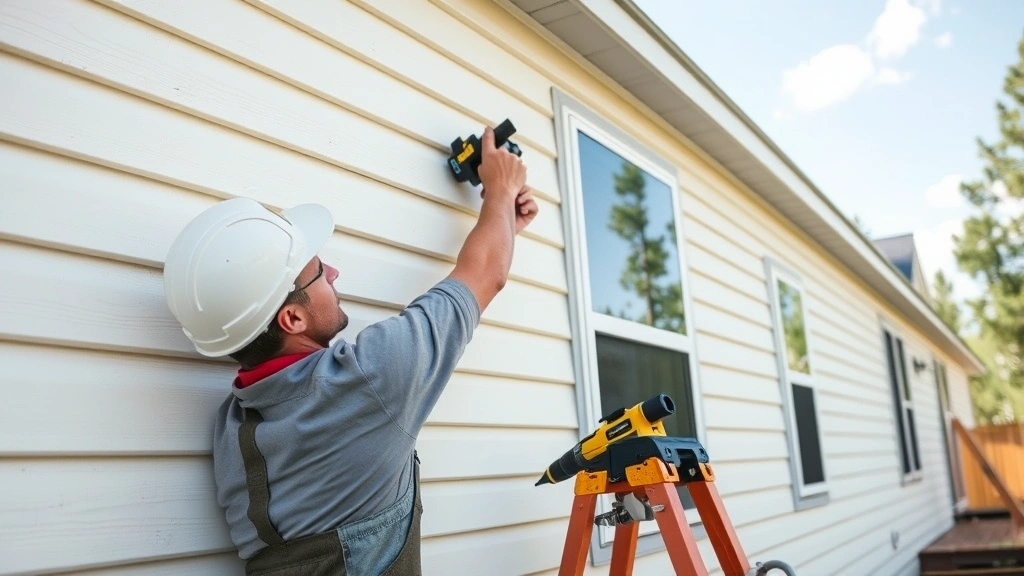
Exterior wall treatments protect against weather while improving aesthetics. Vinyl or fiber cement siding upgrades provide modern appearance with minimal maintenance. Ensure proper flashing around penetrations, adequate house wrap, and correct installation techniques prevent water intrusion. Paint upgrades using quality exterior products protect underlying materials and provide immediate aesthetic improvement. Address any existing water damage before applying new finishes.
Window and door upgrades improve energy efficiency, security, and appearance. Modern energy-efficient windows reduce heating and cooling costs while improving interior comfort. Proper installation with quality flashing and caulking prevents air leaks and water intrusion. Entry door upgrades enhance security and curb appeal; consider smart locks and quality hardware that reflect your home’s overall upgrade level.
Deck and porch additions expand living space and outdoor functionality. Ensure proper structural support through adequate footings and framing. Decks must be properly anchored to the home’s structure and designed for local snow loads and weather conditions. Composite decking materials provide durability and low maintenance compared to traditional wood. Professional installation ensures code compliance and long-term performance.
Permitting and Code Compliance
MVM upgrades require careful attention to permitting and code compliance. Manufactured homes fall under specific regulations outlined in the HUD Code (24 CFR Part 3280), which establishes construction standards for manufactured housing. Your jurisdiction may also apply local building codes and amendments specific to manufactured home modifications.
Determine permit requirements for your planned upgrades by consulting with your local building department. Foundation modifications, structural changes, mechanical system upgrades, and electrical work typically require permits and inspections. Some cosmetic improvements like interior painting or trim installation may not require permits, but verifying with your jurisdiction prevents future issues. Document all permits, inspection reports, and completion certificates for future reference and resale purposes.
Professional engineers and contractors familiar with MVM construction provide invaluable guidance on code compliance. They understand the unique requirements of manufactured homes and can navigate jurisdiction-specific regulations. Investing in professional review during planning stages prevents costly mistakes and ensures your upgrades meet all applicable standards. Building department pre-approval meetings clarify requirements and establish inspection schedules.
Code compliance extends beyond initial construction to ongoing maintenance and safety. Ensure all systems are properly installed, tested, and certified by appropriate professionals. Maintain detailed records of all work performed, permits obtained, and inspections completed. These documents prove compliance, facilitate future modifications, and protect your investment when selling.
FAQ
What are the most impactful custom upgrades for MVM homes?
Foundation improvements and mechanical system upgrades provide the highest return on investment for MVM homes. These fundamental improvements enhance structural integrity, comfort, and long-term durability. Exterior upgrades like roofing and siding follow closely, as they protect the investment and improve curb appeal. Interior cosmetic upgrades offer lower financial returns but significant quality-of-life improvements.
Can I modify structural walls in my manufactured home?
Structural modifications to manufactured homes require professional engineering analysis. Load-bearing walls cannot be removed or significantly altered without proper structural support installation. Non-load-bearing walls can often be modified more easily, but any wall modification should be reviewed by professionals familiar with MVM construction. Always consult your home’s manufacturer specifications and local building codes before planning structural changes.
How do permits work for MVM upgrades?
Permit requirements vary by jurisdiction but generally follow local building codes adapted for manufactured housing. Contact your local building department to determine which upgrades require permits in your area. Typical permit-requiring work includes electrical, plumbing, HVAC, structural modifications, and additions. Obtain permits before beginning work; inspections verify code compliance. Unpermitted work can create liability issues and complicate future sales.
Will upgrades affect my home’s warranty?
Manufacturer warranties often have specific provisions regarding modifications. Unauthorized structural changes or system alterations may void warranty coverage. Review your warranty documents and contact the manufacturer before planning major upgrades. Many manufacturers provide approved modification procedures that maintain warranty protection. Professional installation by licensed contractors helps preserve warranty coverage and ensures proper execution.
How much should I budget for MVM upgrades?
Budget requirements depend entirely on upgrade scope and complexity. Cosmetic interior improvements might cost $5,000-15,000, while foundation replacements can exceed $50,000. Mechanical system upgrades typically run $15,000-30,000. Develop detailed project estimates from multiple contractors, include 20-30% contingency for unexpected issues, and prioritize upgrades based on impact and budget constraints. Professional cost estimation prevents budget overruns and enables realistic planning.
Can I hire DIY contractors for MVM upgrades?
Many upgrades can be handled by DIYers with appropriate skills and knowledge. Cosmetic projects like painting, trim installation, and flooring work are accessible to motivated homeowners. Mechanical, electrical, and structural work requires licensed professionals in most jurisdictions. Even DIY-appropriate projects benefit from professional review to ensure code compliance. Consider hybrid approaches where professionals handle technical aspects while you manage cosmetic finishing work.
How do I find contractors experienced with MVM modifications?
Seek contractors with documented experience in manufactured home modifications. Ask for references from previous MVM projects and verify their familiarity with HUD Code requirements. Professional associations like the National Association of Home Builders can recommend qualified professionals. Interview multiple contractors, compare proposals, and verify licensing and insurance before hiring. Local manufactured home communities often have recommended contractor lists.


