
How to Apply Beard Oil: A Groomer’s Guide to Proper Technique and Results
Beard oil is one of the most effective tools for maintaining a healthy, lustrous beard, but many men apply it incorrectly, missing out on its full benefits. Whether you’re growing your first beard or maintaining a well-established one, understanding the proper application technique can transform your grooming routine. This comprehensive guide walks you through everything you need to know about applying beard oil effectively, from preparation to daily maintenance.
A well-groomed beard requires more than just letting it grow. Beard oil conditions the hair, moisturizes the underlying skin, reduces itchiness, and promotes a softer, more manageable appearance. However, the magic happens when you apply it correctly. The difference between haphazard application and proper technique is the difference between a beard that looks and feels great and one that appears greasy or unkempt. Let’s explore the science and practice behind beard oil application.
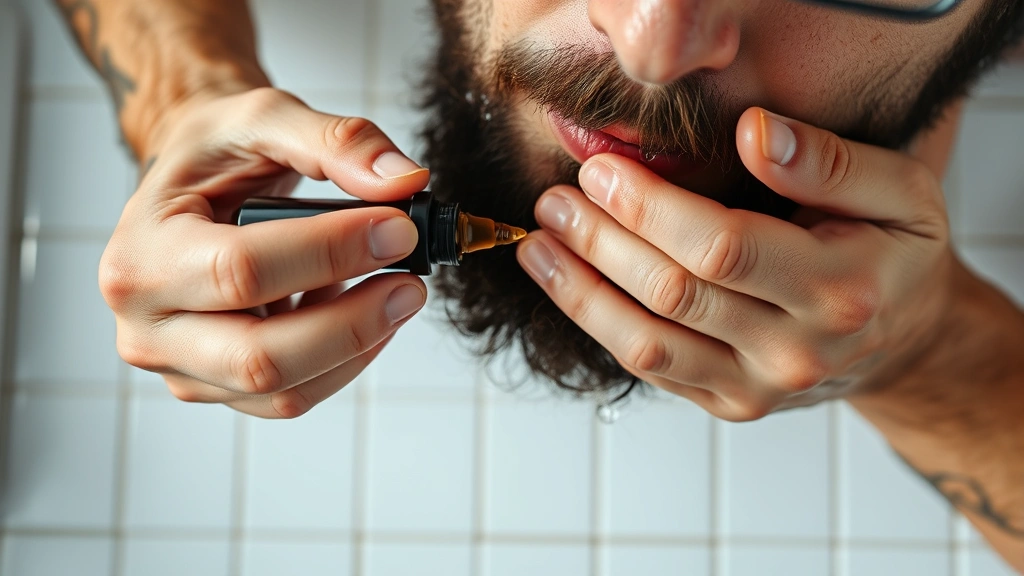
Understanding Beard Oil and Its Benefits
Beard oil is a specialized grooming product formulated to address the unique needs of facial hair. Unlike head hair, beard hair grows in a different direction, has a coarser texture, and sits directly against sensitive facial skin. The oil serves multiple purposes: it conditions the beard hair itself, prevents dryness and brittleness, hydrates the skin beneath the beard, and creates a pleasant appearance and feel.
The typical beard oil formula contains carrier oils like jojoba, argan, coconut, or sweet almond oil, combined with essential oils for fragrance and additional benefits. These ingredients work synergistically to soften coarse beard hair, reduce the itchiness that often accompanies beard growth, and promote a healthier overall appearance. Understanding what your beard oil contains helps you apply it more effectively, as different formulations may require slightly different application techniques.
When applied correctly, beard oil penetrates the hair shaft and reaches the skin beneath, providing hydration at multiple levels. This prevents the common problem of a beard that looks good on the surface but feels dry and wiry underneath. Proper application also ensures even distribution, preventing the greasy spots that result from over-application in certain areas.
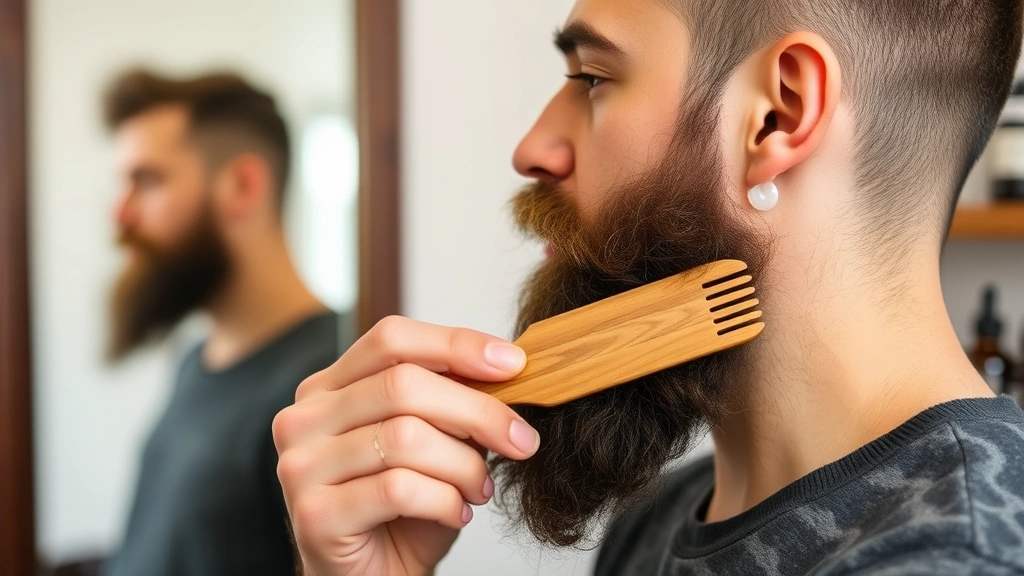
Preparation: Getting Your Beard Ready
Before you apply beard oil, proper preparation is essential. Start by washing your beard with a quality beard shampoo or a gentle facial cleanser. Regular hair shampoo can be too harsh and may strip away natural oils, making your beard more receptive to over-absorbing the oil you apply. Warm water opens the hair cuticles, making them more receptive to the conditioning benefits of beard oil. Pat your beard dry with a soft towel, but leave it slightly damp—not soaking wet, but with some moisture remaining.
This damp state is crucial. Applying beard oil to a completely dry beard means the oil sits on the surface rather than penetrating effectively. Conversely, applying oil to a soaking wet beard dilutes it and prevents proper absorption. The ideal moisture level is when your beard is about 60-70% dry. You can achieve this by washing your beard, then using a towel to remove excess water without completely drying it.
If you have a longer beard, consider using a wide-tooth comb or beard brush to detangle it before application. This step removes any knots and ensures that when you apply the oil, it distributes evenly throughout the beard rather than getting caught in tangles. This preparation step also stimulates the skin beneath your beard, promoting better absorption of the oil.
For those just starting their DIY grooming journey, establishing a consistent preparation routine is as important as the application itself. Think of it like preparing a surface before finishing work—proper prep ensures better results.
Step-by-Step Application Guide
Step 1: Dispense the Right Amount
The quantity of beard oil matters significantly. A common mistake is using too much, which results in a greasy appearance and can make your beard look unkempt. A good starting point is 3-5 drops for a short to medium beard, and 5-10 drops for a longer beard. You can always add more, but removing excess oil is difficult. Place the drops in your palm and rub your hands together to distribute the oil evenly across both palms.
Step 2: Apply to the Beard
Start by running your oiled hands through your beard from the roots to the tips. Begin at the cheeks and work toward the chin, then address the mustache area. Use your fingers to work the oil into the beard, making sure it penetrates the hair and reaches the skin underneath. This isn’t a surface application—you’re trying to condition the entire beard, not just coat it.
Step 3: Focus on Problem Areas
Pay special attention to areas that tend to be drier or more coarse. Many men find that the area under the chin and the lower beard require more oil than the upper beard. However, be careful not to over-apply to the mustache area, as this can cause the mustache to feel greasy or look unkempt. Use a beard comb to distribute the oil evenly and style your beard as desired.
Step 4: Shape and Style
Once the oil is distributed, use a beard brush or comb to shape your beard into your preferred style. This final step ensures even distribution and allows you to see how the oil has affected your beard’s appearance. The oil should make your beard look shinier and feel softer without appearing greasy.
Timing and Frequency Recommendations
The ideal time to apply beard oil is in the morning after your shower and grooming routine. This ensures your beard is clean and slightly damp, and the oil will condition your beard throughout the day. Some men also apply a smaller amount before bed, which allows the oil to work overnight as you sleep. This evening application can be particularly beneficial if you have a long beard or live in a dry climate.
For most men, applying beard oil once daily is sufficient. However, if you live in a particularly dry environment, have a very long beard, or notice your beard looking dull or feeling coarse, you might benefit from twice-daily application. Conversely, if you have a short beard or live in a humid climate, you might find that applying oil every other day is more appropriate.
Seasonal variations matter too. During winter months when heating systems dry out the air, you may need to increase application frequency. In summer, especially in humid climates, you might reduce frequency. Pay attention to how your beard looks and feels, and adjust accordingly. This responsive approach, similar to how you’d adjust environmental controls in your home, ensures optimal results year-round.
Consistency is key. Establishing a daily routine means you won’t forget to apply oil, and your beard will receive consistent conditioning benefits. Many men find that setting a specific time—such as immediately after their morning shower—helps them remember.
Common Application Mistakes to Avoid
Over-Application
The most common mistake is using too much beard oil. This results in a greasy appearance, attracts dirt and dust, and can actually make your beard look worse. Remember that beard oil is concentrated—a little goes a long way. Start with fewer drops than you think you need, and add more if necessary.
Applying to a Completely Dry Beard
Applying beard oil to a dry beard prevents proper absorption. The oil sits on the surface and can appear greasy without providing the conditioning benefits. Always apply to a slightly damp beard for best results.
Neglecting the Skin Underneath
Many men focus on oiling the visible beard hair but forget about the skin beneath. The skin is where itchiness and dryness originate, so make sure your application reaches the skin underneath your beard. Use your fingers to work the oil down to the skin level.
Uneven Distribution
Applying oil only to certain areas of your beard can result in an uneven appearance and inconsistent conditioning. Always distribute the oil from roots to tips across your entire beard. A beard comb or brush helps ensure even distribution.
Using the Wrong Product Type
Not all beard oils are created equal. Some are thicker and more suited for longer beards, while others are lighter for shorter beards. Using the wrong type for your beard length can result in poor absorption or insufficient conditioning. Understanding your beard type helps you choose and apply the right product.
Choosing the Right Beard Oil for Your Type
Beard oil selection depends on several factors: your beard length, hair texture, skin type, and personal preferences. Shorter beards (under 3 months of growth) typically benefit from lighter oils that won’t weigh the hair down. Medium beards (3-6 months) can handle standard formulations. Longer beards (over 6 months) often require richer, more nourishing oils that can penetrate thicker hair.
Your skin type also matters. If you have oily skin, you might prefer lighter oils like jojoba. If you have dry skin, richer oils like argan or coconut might work better. Men with sensitive skin should look for oils specifically formulated for sensitive skin or test new products on a small area first.
The essential oil content affects both the scent and the conditioning benefits. Some oils include tea tree oil for antibacterial properties, while others use cedarwood or sandalwood for fragrance and additional benefits. Consider what benefits you’re seeking beyond basic conditioning when choosing your product.
Just as you’d research materials before starting a woodworking project, take time to understand beard oil formulations and choose one suited to your specific needs.
Tools and Accessories for Better Application
While you can apply beard oil with just your hands, several tools can improve the process. A beard comb helps distribute oil evenly and styles your beard simultaneously. Wide-tooth combs work best for longer beards, while fine-tooth combs suit shorter beards. A beard brush, typically made with boar hair or synthetic bristles, distributes oil while stimulating the skin and training your beard to grow in your preferred direction.
Some beard oils come with dropper applicators, which make it easy to dispense the right amount. If your beard oil doesn’t have a dropper, consider transferring it to a bottle with one for better portion control. Beard oil bottles with built-in applicators prevent over-pouring and make application more precise.
For those with very long beards, a beard straightener or beard roller can help distribute oil through thick hair. These tools work similarly to how you’d apply finishing products in home painting projects—they ensure even coverage and a professional appearance.
A small hand mirror helps you see the back and sides of your beard during application, ensuring you don’t miss any areas. This is particularly important for longer beards where you can’t see the entire beard without assistance.
Maintenance and Storage Tips
Proper storage of your beard oil extends its shelf life and maintains its effectiveness. Keep beard oil in a cool, dark place away from direct sunlight. UV light can degrade the oils and reduce their conditioning properties. A bathroom cabinet or bedroom drawer works well, though not the bathroom cabinet directly above a heat source like a radiator.
Check the expiration date on your beard oil. Most quality beard oils last 6-12 months, though some premium formulations may last longer. If your oil develops an off smell or appearance, discard it. Expired oil may not provide the same benefits and could potentially irritate your skin.
When you’re not using your beard oil, ensure the cap is tightly sealed. Exposure to air can cause oxidation, which degrades the oil and may cause it to become rancid. If you notice your oil thickening or becoming cloudy, it may be oxidizing and should be replaced.
For those interested in the broader aspects of personal care and home maintenance, understanding product storage is as important as knowing how to maintain flooring or other home systems. Proper maintenance extends the life of your products and ensures consistent results.
If you travel frequently, consider purchasing travel-sized beard oil bottles or transferring your oil to smaller containers that meet airline regulations. This ensures you can maintain your grooming routine while traveling.
FAQ
How often should I apply beard oil?
Most men benefit from applying beard oil once daily, typically after showering. Some men with longer beards or in dry climates apply it twice daily—morning and evening. Listen to your beard; if it looks dull or feels coarse, increase frequency. If it appears greasy, reduce frequency.
Can I apply beard oil to a dry beard?
While you technically can, it’s not ideal. Applying oil to a slightly damp beard ensures better absorption and conditioning. A completely dry beard will have the oil sit on the surface, appearing greasy without providing deep conditioning benefits.
How much beard oil should I use?
Start with 3-5 drops for short to medium beards and 5-10 drops for longer beards. You can always add more, but removing excess is difficult. It’s better to start with less and adjust upward than to use too much initially.
Will beard oil make my beard greasy?
Only if you use too much or apply it to a completely dry beard. When applied correctly to a slightly damp beard in appropriate amounts, beard oil should condition without appearing greasy. If your beard looks greasy, you’re likely using too much product.
Can I use regular hair oil on my beard?
Beard oil is specifically formulated for facial hair and the sensitive skin underneath. Regular hair oil may be too heavy, contain ingredients unsuitable for facial skin, or lack the specific conditioning properties beard hair needs. Use a product designed specifically for beards.
Is beard oil necessary for a healthy beard?
While not absolutely necessary, beard oil significantly improves beard health and appearance. It reduces itchiness, prevents dryness, makes the beard softer and more manageable, and promotes a healthier appearance. For most men, the benefits justify regular use.
How long does it take to see results from beard oil?
You’ll notice immediate improvements in how your beard feels and looks after the first application. Within a few days of consistent use, your beard will appear softer and shinier. More significant improvements in overall beard health and appearance typically become apparent after 2-4 weeks of regular application.
Can I apply beard oil before bed?
Yes, many men apply a small amount of beard oil before bed. This allows the oil to condition your beard overnight and can be particularly beneficial if you have a long beard or live in a dry climate. Just use less than you would in the morning to avoid transferring oil to your pillow.


