
DIY Self-Care Tips: Beat Imposter Syndrome
Imposter syndrome affects countless DIY enthusiasts and home improvement hobbyists who question their abilities despite demonstrable success. Whether you’re tackling your first basement finishing project or mastering woodworking plans, that nagging voice suggesting you’re not skilled enough can undermine your confidence and joy in creating. The reality is that self-doubt is a common experience in the DIY community, but it doesn’t have to control your journey.
Learning how to be kinder with ourselves is foundational to overcoming imposter syndrome. This isn’t about toxic positivity or ignoring genuine areas for growth—it’s about developing a compassionate internal dialogue that acknowledges your efforts, celebrates incremental progress, and recognizes that mistakes are essential components of skill development. When you approach self-care with intentionality, you create mental and emotional space to pursue your DIY goals without the paralyzing fear of being “found out” as inadequate.

Understanding Imposter Syndrome in DIY Culture
Imposter syndrome in the DIY world manifests uniquely because home improvement projects have tangible, visible results. Unlike abstract work, your finished basement finishing or security installation becomes evidence you can’t ignore. Yet many DIYers still experience persistent doubt, attributing their successes to luck, perfect timing, or help from others rather than acknowledging their own competence and effort.
This psychological pattern intensifies when you compare your behind-the-scenes reality—the mistakes, the learning curve, the moments of uncertainty—against the polished final results you see on social media or home improvement shows. You’re comparing your chapter 3 to someone else’s chapter 20, which naturally creates a false sense of inadequacy. Understanding that everyone in the DIY community experiences this comparison trap is your first step toward self-compassion.
Research from the American Psychological Association indicates that imposter syndrome thrives in achievement-oriented environments where standards are high and feedback can be subjective. DIY projects perfectly fit this description—you set ambitious goals, evaluate your own work, and internalize criticism more readily than praise.
Reframe Your Self-Talk and Internal Narrative
The foundation of kindness toward yourself is transforming the language you use internally. When you notice yourself thinking “I’m not a real builder” or “I don’t deserve to call myself handy,” pause and ask: what evidence contradicts this belief? If you’ve successfully completed projects—even imperfectly—you have hands-on experience that matters.
Replace absolute statements with growth-oriented ones. Instead of “I’m terrible at home security installation,” try “I’m still learning how to properly install security systems, and each project teaches me something new.” This subtle shift acknowledges current limitations while emphasizing capability and forward momentum.
Create a personal inventory of past DIY accomplishments, no matter how small. Installed new fixtures? That’s plumbing experience. Painted a room? You’ve mastered surface preparation and application techniques. Completed washing machine maintenance? You understand appliance mechanics. These aren’t trivial—they’re legitimate skills that required problem-solving, research, and physical execution.
Write down three specific compliments or observations you’d make about a friend completing the same project you’re working on. Then accept those same observations about yourself. If you’d tell a friend, “You did thorough research before starting,” why wouldn’t you extend that same recognition to your own preparation?
Document Your Progress and Skill Development
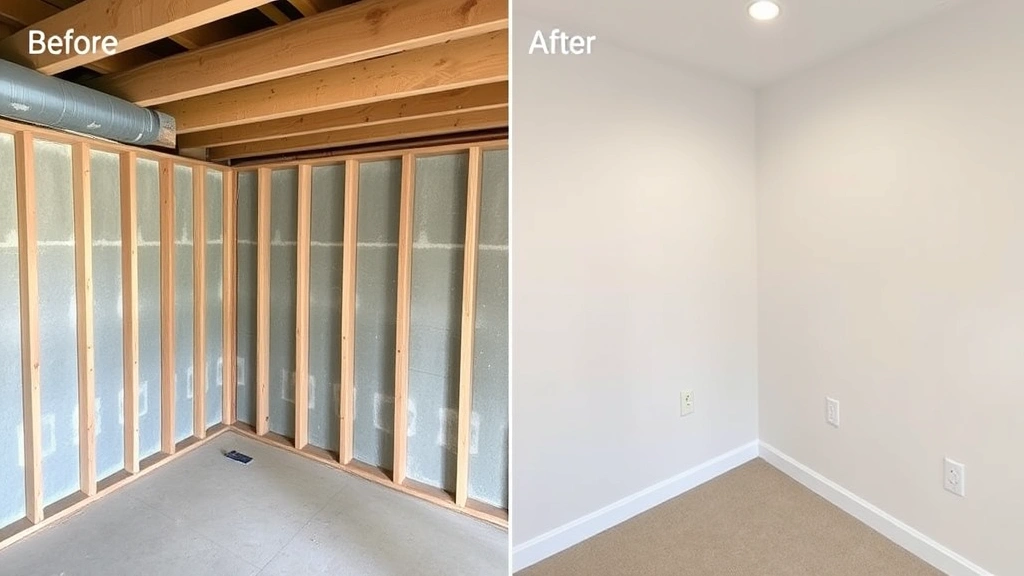
One of the most powerful antidotes to imposter syndrome is concrete evidence of your development over time. Create a simple project journal or digital portfolio documenting your DIY work with before-and-after photos, notes about challenges you overcame, and lessons learned. This tangible record becomes impossible to dismiss when imposter syndrome whispers that you haven’t accomplished anything substantial.
Photograph your work in progress, not just the final result. Capture the messy middle—the mistakes you corrected, the iterations you refined, the problems you solved. These images tell the real story of skill development and demonstrate that professional-looking results emerge from a process that includes trial and error. When you review these photos during moments of self-doubt, you’re reminded that your current projects benefit from all the experience you’ve accumulated.
Track specific skills you’ve acquired with each project. Perhaps your car repair knowledge started with basic maintenance but now includes diagnostic work. Your woodworking might have evolved from simple cutting to joinery and finishing. Writing these progressions down makes your growth undeniable and provides motivation for continued learning.
Build a Supportive Community Around Your Projects
Isolation amplifies imposter syndrome. When you’re working alone on projects, negative self-talk goes unchallenged, and you lack external perspective on your actual competence. Actively cultivate connections with other DIY enthusiasts through the DIY Nests Hub Blog community, local maker spaces, online forums, or neighborhood groups.
Share your projects—both successes and failures—with this community. You’ll discover that experienced builders still encounter problems, that mistakes are universal, and that asking for help is a sign of intelligence, not incompetence. When someone compliments your work, practice receiving the praise without deflection or minimization. Simply say “thank you” and let yourself absorb the recognition.
Offer help and expertise to others working on similar projects. Teaching reinforces your own knowledge and provides undeniable evidence of your competence. When you can guide someone else through a process, you’re simultaneously proving to yourself that you understand what you’re doing. This reciprocal support system combats the isolation that fuels imposter feelings.
Seek mentorship from experienced DIYers, but remember that even experts encounter new challenges and learning opportunities. Your mentor likely experiences some degree of imposter syndrome too—it’s not a sign of weakness but rather a characteristic of people who care about continuous improvement.
Establish Realistic Expectations and Timelines
Much imposter syndrome stems from unrealistic expectations about how quickly you should develop skills or how flawlessly your first attempts should execute. Professional contractors have years of experience, specialized tools, and established systems. Comparing your learning curve to their efficiency is fundamentally unfair to yourself.
Break larger projects into smaller, manageable milestones. Instead of “complete the basement,” focus on “frame the walls,” then “install electrical,” then “drywall,” then “finish.” Each completed milestone provides psychological wins and demonstrates progress. You’re not failing at a massive project; you’re succeeding at sequential, achievable tasks.
Research realistic timelines for projects you’re undertaking. If professional contractors estimate 40 hours for a task, budget 60-80 hours for your first attempt. This removes the shock of “taking longer than expected” and reframes extended timelines as normal. You’re not slow; you’re being thorough and learning as you go.
Set quality standards that are high but achievable. Perfectionism is imposter syndrome’s close cousin—it keeps you dissatisfied regardless of actual accomplishments. Define what “good enough” looks like for your project. Professional quality? That’s one standard. Safe and functional? That’s another, equally valid standard. Decide which applies to your situation and measure yourself against that realistic benchmark.
Prioritize Rest and Recovery in Your DIY Schedule
Physical and mental exhaustion amplify self-doubt. When you’re tired, your inner critic becomes louder, your problem-solving abilities diminish, and you’re more likely to interpret setbacks as evidence of incompetence rather than normal project obstacles. Building self-care into your DIY schedule is not indulgent—it’s strategically necessary.
Plan your projects in sustainable bursts rather than marathon sessions. A focused 3-4 hour work block with clear objectives often produces better results than 10 exhausting hours of diminishing returns. You’ll maintain better form, make fewer mistakes, and preserve your enthusiasm for the work.
Schedule breaks between project phases. After completing one major component, rest before starting the next. This prevents burnout and gives your mind space to process what you’ve learned and plan the next steps. Some of your best problem-solving insights will emerge during rest periods when your subconscious continues processing challenges.
Engage in non-DIY activities that genuinely restore you. Whether that’s exercise, creative pursuits, time in nature, or social connection, these activities aren’t distractions from your projects—they’re essential maintenance for the emotional resilience you need to overcome imposter syndrome. A well-rested, balanced person has less bandwidth for self-doubt.
Practice Self-Compassion When Projects Go Wrong
Projects will go wrong. Measurements will be off. Materials will be defective. Your technique will sometimes fail. These aren’t indications that you’re a fraud—they’re normal components of doing challenging work. How you respond to these inevitable setbacks determines whether they become learning opportunities or fuel for imposter syndrome.
When something doesn’t work as planned, resist the urge to catastrophize or blame yourself harshly. Instead, engage in problem-solving: What went wrong? What caused it? How can you correct it? What will you do differently next time? This analytical approach transforms failure into data rather than character indictment.
Speak to yourself the way you’d console a friend who encountered the same problem. You wouldn’t tell a friend “you’re incompetent and should never attempt projects again.” You’d likely say, “That’s frustrating, but look at how you’re troubleshooting this. Most people would have given up already.” Extend this same compassionate perspective to yourself.
Document what went wrong and how you fixed it. This becomes part of your expertise. You’re not someone who never makes mistakes—you’re someone who makes mistakes and knows how to solve them. That’s more valuable than someone who’s never encountered the problem in the first place. Professional builders are paid partly for their ability to troubleshoot, and you’re developing that same valuable skill.
Remember that safety standards and building codes exist precisely because mistakes happen. Your willingness to learn from setbacks and continuously improve is what separates competent DIYers from dangerous ones. Self-compassion isn’t about lowering standards—it’s about maintaining sustainable improvement.
FAQ
How long does it take to overcome imposter syndrome in DIY projects?
Imposter syndrome isn’t something you “overcome” once and move past—it’s an ongoing psychological pattern that improves with practice and intentional self-compassion. Most people notice significant improvement within 3-6 months of consistently applying these strategies, particularly when building community support and documenting progress. The goal isn’t elimination but management and resilience.
Is imposter syndrome actually a problem, or is it just realistic self-assessment?
There’s a meaningful difference. Realistic self-assessment sounds like: “I’m still developing my electrical skills and should consult codes for this installation.” Imposter syndrome sounds like: “I’m a fraud who shouldn’t even attempt electrical work despite successfully completing three previous projects.” One is accurate humility; the other is distorted self-perception that ignores evidence of competence. True self-assessment acknowledges both current limitations and demonstrated capabilities.
Should I avoid challenging projects until my imposter syndrome improves?
No—actually, deliberately tackling appropriately challenging projects (slightly beyond your current comfort zone) is one of the best ways to build genuine confidence. The key is appropriate challenge: projects that stretch your skills without overwhelming your capacity. Each successful completion provides concrete evidence against imposter syndrome’s lies.
How do I respond when someone questions my DIY abilities?
External criticism can intensify imposter syndrome, but it’s not evidence of your inadequacy. Evaluate feedback objectively: Is it accurate? Is it constructive? If someone suggests you’re not skilled enough, ask yourself whether your completed projects contradict that assessment. Your work speaks louder than anyone’s dismissive comments. You don’t need permission from others to claim your legitimate skills and experience.
What’s the relationship between perfectionism and imposter syndrome?
They’re closely related. Perfectionism creates impossible standards, guaranteeing you’ll always feel inadequate because no project will ever be flawless. Perfectionism also increases the stakes psychologically—if everything must be perfect, then any imperfection feels like proof of fraud. Releasing perfectionism and embracing “good enough” standards is essential for managing imposter syndrome. Your goal is functional, safe, and satisfying—not museum-quality.


