How to Build a Treehouse: Expert Tips Inside
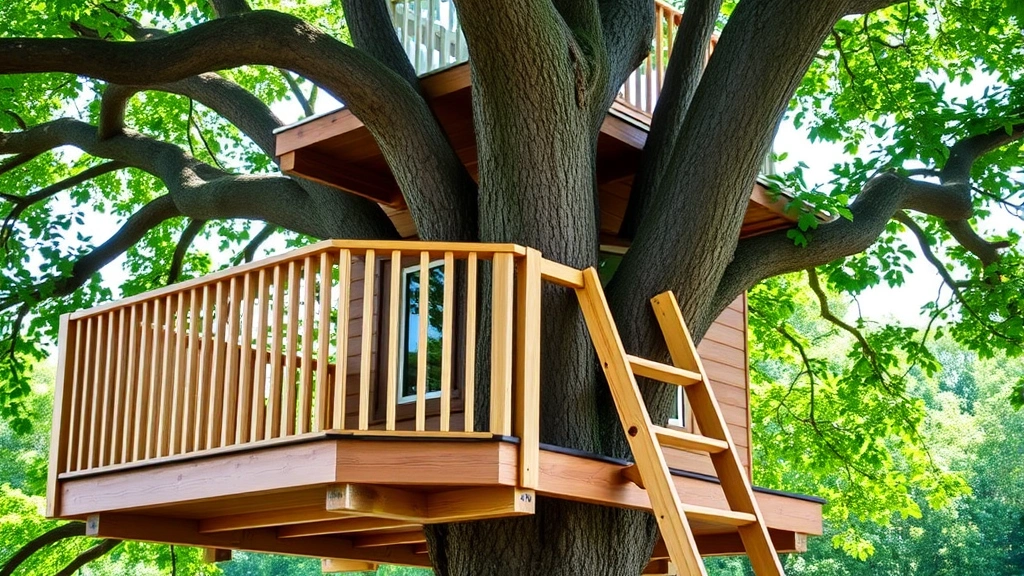
Building a treehouse is one of the most rewarding DIY projects you can undertake, combining structural engineering, creative design, and outdoor adventure into a single ambitious goal. Whether you’re creating a magical retreat for children or a peaceful adult sanctuary, a well-constructed treehouse offers a unique escape from everyday life while maximizing your property’s potential. This comprehensive guide walks you through every critical step, from site selection and safety considerations to construction techniques and finishing touches.
A successful treehouse requires careful planning, proper materials, and adherence to safety standards. Unlike traditional ground-level structures, treehouses demand special attention to tree health, weight distribution, and structural integrity. The difference between a safe, lasting treehouse and a dangerous failure often comes down to understanding load-bearing principles, selecting appropriate trees, and using proven construction methods. This guide provides the expert knowledge you need to build confidently and safely.
Selecting the Right Tree
The foundation of any treehouse project begins with choosing the correct tree or trees. Not all trees are suitable for supporting a structure, and selecting the wrong species can result in structural failure, tree damage, or both. The ideal treehouse tree should be mature, healthy, and structurally sound with a diameter of at least 12 inches, preferably 18-24 inches or larger.
Best tree species for treehouses include:
- Oak trees – Extremely strong and reliable, with excellent load-bearing capacity and longevity
- Maple trees – Dense wood provides superior strength and stability
- Apple trees – Naturally sturdy with good branch structure, ideal for smaller structures
- Fir and pine trees – Softwoods that work well but require more careful engineering
- Ash trees – Strong hardwood with good structural properties
Avoid brittle species like birch, aspen, or cottonwood, which splinter easily and cannot support significant weight. Additionally, never build in dead, diseased, or severely damaged trees. Signs of problems include large cavities, peeling bark, fungal growth, or significant lean. Consult a certified arborist if you’re uncertain about tree health—this small investment prevents catastrophic failures.
Consider the tree’s location on your property. Ensure it’s positioned away from power lines, property boundaries, and structures that could be damaged if branches fall. The tree should receive adequate sunlight and be situated in a location that provides good access for construction materials and future maintenance.
Safety Considerations and Building Codes
Before breaking ground, research local building codes and regulations. Many municipalities require ICC building codes compliance even for residential treehouses. Some jurisdictions require permits, inspections, and adherence to specific structural standards. Failing to follow these requirements can result in fines, forced removal, or liability issues if someone is injured.
Key safety considerations include:
- Height limitations – Many codes restrict residential treehouses to 15 feet maximum height
- Railing requirements – Guardrails must be 36-42 inches high with specific spacing requirements
- Load capacity – Platforms must support expected occupant weight plus safety margin
- Access safety – Ladders, stairs, and railings must meet specific standards
- Fall protection – Young children require additional safety measures and supervision
Contact your local building department, planning office, or code enforcement agency before construction begins. Many areas have specific treehouse regulations, and getting approval upfront prevents costly mistakes. Even in jurisdictions without formal treehouse codes, consulting with a structural engineer ensures your design meets fundamental safety principles.
The International Tree House Association provides comprehensive safety guidelines recognized across the industry. Their standards address everything from hardware specifications to platform design, offering invaluable reference material for DIY builders.
Materials and Tools You’ll Need
Building a treehouse requires quality materials that can withstand outdoor exposure and structural stress. Cutting corners on materials directly impacts safety and longevity. Invest in pressure-treated lumber, stainless steel hardware, and weatherproof finishes to ensure your structure lasts decades.
Essential materials include:
- Pressure-treated lumber (2×10, 2×12 beams for primary support)
- Galvanized or stainless steel bolts, lag screws, and hardware
- Galvanized joist hangers and metal brackets
- Exterior-grade decking boards
- Pressure-treated posts and railings
- Galvanized nails and screws (never use regular steel fasteners)
- Rope or cable for safety railings
- Exterior wood stain or sealant
For DIY beginner woodworking projects, understanding material grades and specifications is essential. Pressure-treated lumber rated for ground contact provides superior rot resistance compared to standard lumber. Use bolts with large washers to distribute load and prevent fasteners from pulling through wood over time.
Required tools:
- Power drill with large bits
- Circular saw or miter saw
- Level (4-6 foot)
- Measuring tape (25+ feet)
- Adjustable wrenches and socket set
- Safety harness and climbing equipment
- Ladder (extension ladder for high work)
- Carpenter’s square and pencil
Renting specialized equipment like scaffolding or bucket lifts may be worthwhile for larger projects, making work safer and more efficient.
Foundation and Support Systems
The support system is your treehouse’s critical foundation. Rather than nailing into the tree, modern treehouse construction uses specialized fastening systems that minimize damage and maximize safety. Tree bolts and cable systems distribute weight across larger areas and allow the tree to move naturally in wind.
Primary support methods:
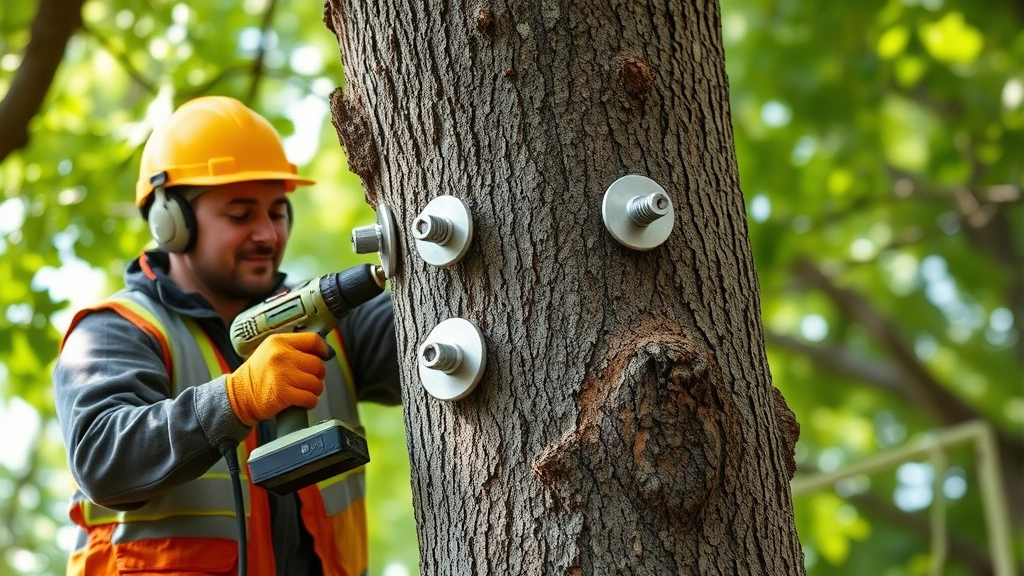
- Lag bolts with washers – Install large diameter (3/4-1 inch) bolts into tree trunk with substantial washers to distribute load. Bolts should penetrate at least 12 inches into solid wood.
- Tree houses Inc. support systems – Specialized engineered brackets designed specifically for treehouse construction. These systems account for tree movement and growth.
- Cable systems – Stainless steel cables provide flexible support suitable for trees with irregular shapes.
- Ground posts – Supplemental posts anchored to the ground provide additional support without overloading the tree.
Install bolts at least 12-18 feet up the tree trunk to minimize visibility and keep fasteners above branch union stress points. Space multiple bolts around the trunk to distribute weight evenly. A single tree can typically support a small platform, but larger structures benefit from using multiple trees or supplemental ground support.
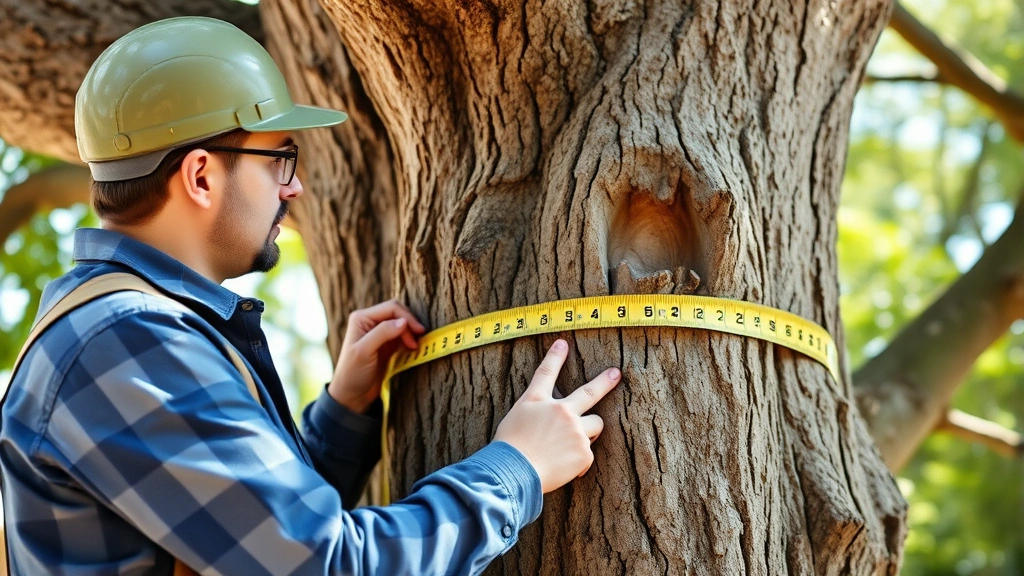
Before installation, measure the tree diameter and check for obstacles like branches or bark irregularities. Drill pilot holes slightly smaller than your bolts to prevent wood splitting. Use stainless steel or galvanized bolts exclusively—regular steel rusts and fails prematurely, creating dangerous conditions.
Building the Platform
The platform is your treehouse’s floor, and its construction determines the entire structure’s safety and longevity. Begin by establishing a level base, which may require shimming bolts or adjusting support points. Even small height differences cause stress concentration and future problems.
Platform construction steps:
- Install primary support beams (2×10 or 2×12) perpendicular to the tree trunk, securing them with bolts and large washers.
- Add secondary joists running perpendicular to primary beams, spacing them 16 inches on center for strength and to support decking.
- Install galvanized joist hangers to secure joists to beams, preventing lateral movement.
- Lay decking boards with proper spacing (1/8 inch) to allow water drainage and wood expansion.
- Secure decking with stainless steel screws or galvanized nails, placing fasteners every 12 inches.
The platform should overhang support points by no more than 2 feet to prevent cantilever stress concentration. A typical residential treehouse platform measures 12×12 to 16×16 feet, providing ample space without excessive weight. Calculate total load capacity by determining beam strength and dividing by the platform area—consult engineering tables or a structural engineer for precise calculations.
Slope the platform slightly (1/4 inch per foot) to promote water drainage and prevent puddle formation. This simple detail dramatically extends platform life by reducing rot risk.
Adding Walls and Railings
Walls and railings serve both functional and safety purposes. Railings prevent falls, while walls provide shelter and increase usable space. Building codes typically require railings on all open sides when the platform exceeds 30 inches above ground.
Railing specifications:
- Minimum height of 36 inches (42 inches recommended for safety)
- Balusters or pickets spaced no more than 4 inches apart (prevents child entrapment)
- Ability to resist 200 pounds of horizontal force without deflection
- No openings that allow a 4-inch sphere to pass through
For walls, use exterior-grade plywood or board-and-batten construction with proper weatherproofing. Leave adequate ventilation openings to prevent moisture accumulation. Paint or stain walls with exterior-grade finishes rated for deck and outdoor applications. Consider the aesthetic impact—treehouses blend better with surroundings when finished in natural wood tones rather than bright colors.
Install railings securely by bolting or lag-screwing them to the platform frame. Never rely on nails or screws alone—railings must withstand significant force without failure. Test completed railings by pushing firmly; they should not move or flex excessively.
Finishing Touches and Access
Access to your treehouse should be safe, convenient, and appropriate for intended users. Options include rope ladders, wooden ladders, stairs with railings, or rope bridges for multi-tree structures.
Access method considerations:
- Rope ladders – Adventure-appropriate but difficult for young children and adults with mobility limitations
- Wooden ladders – More stable than rope, easier for varied ages, but require secure anchoring
- Stairs with railings – Safest option, requires more materials and planning
- Pulley systems – Useful for hauling supplies and materials
Install handrails on all access points, and ensure steps are uniform in height (7-8 inches) and depth (10-11 inches). Treehouse access differs from building stairs—steeper angles (50-60 degrees) are acceptable for ladder-style access.
Consider weather protection with a simple roof structure or waterproof covering. Even a partial roof dramatically improves usability during rain. Use lightweight materials to minimize load on support structures.
Add finishing touches like solar lights, weatherproof cushions, storage boxes, and pulley systems for hauling supplies. These amenities increase functionality without compromising safety. For comprehensive home security and protection considerations, treehouse security includes preventing unauthorized access and protecting against weather damage.
Maintenance and Inspection
Regular maintenance ensures your treehouse remains safe and functional for years. Inspect the structure quarterly and after severe weather events. Look for signs of wood rot, fastener corrosion, loose connections, or tree health changes.
Annual maintenance tasks:
- Inspect all bolts and fasteners for tightness; re-tighten if necessary
- Check decking for rot, splinters, or separation
- Examine railings for loose components or damage
- Clear debris and leaves from the platform
- Inspect the tree for disease, pest damage, or structural changes
- Reapply sealant or stain to wood surfaces as needed
- Test access ladders or stairs for safety and stability
Watch for tree growth around bolts—as the tree grows, it eventually envelops fasteners. This is normal and doesn’t require intervention unless bolts become loose. Monitor the tree’s overall health; if decline is evident, consult an arborist about options.
Document your treehouse with photographs and measurements. If you ever need to remove the structure, documentation helps with deconstruction planning. Keep maintenance records to establish a history of care and inspections.
FAQ
Do I need a permit to build a treehouse?
Permit requirements vary significantly by jurisdiction. Some areas require permits and inspections for any elevated structure, while others exempt residential treehouses under certain height or size restrictions. Contact your local building department before starting construction. Even if permits aren’t required, consulting code requirements prevents costly mistakes.
How much weight can a treehouse platform support?
Weight capacity depends on tree species, diameter, bolt size, and installation method. Generally, a properly constructed platform in a healthy oak or maple tree can safely support 50-100 pounds per square foot. Consult engineering resources or hire a structural engineer for precise calculations based on your specific situation.
What’s the best time to build a treehouse?
Late fall through early spring, when trees are dormant, is ideal. This timing minimizes stress on the tree and provides better visibility without dense foliage. Avoid building during sap flow (spring) when trees are actively growing, as this can cause excessive bleeding and attract pests.
Can I build a treehouse in a younger tree?
Young trees lack the structural capacity for substantial treehouses. Trees should be at least 12-15 years old with diameters exceeding 12 inches. Younger trees may support small children’s platforms but won’t sustain adult weight or larger structures. As the tree grows, you can expand the structure accordingly.
How do I protect the tree from bolt installation damage?
Use large washers under bolts to distribute pressure across a wider area. Avoid installing excessive bolts in a small section of trunk. Space bolts vertically and around the circumference to spread impact. The tree naturally compartmentalizes around bolts, and proper installation minimizes long-term damage.
What should I do if my tree shows signs of disease?
Stop construction immediately and consult a certified arborist. Common issues include fungal infections, pest infestations, or structural weakness. The arborist can determine if the tree will recover or if you should relocate your project to a healthier tree. Never ignore disease signs—a failing tree creates dangerous conditions.
Can I build a treehouse with multiple trees?
Yes, multi-tree designs distribute weight and provide additional stability. Ensure trees are close enough (within 6-8 feet) and similar in height. Connect platforms between trees using cables or beams, but allow for independent movement of each tree. This design approach is often safer than single-tree construction.
How often should I inspect my treehouse?
Inspect quarterly and after severe weather. Pay special attention to spring and fall when temperature fluctuations cause wood movement. Document all inspections with photos and notes. Regular attention catches problems early before they become safety hazards.


