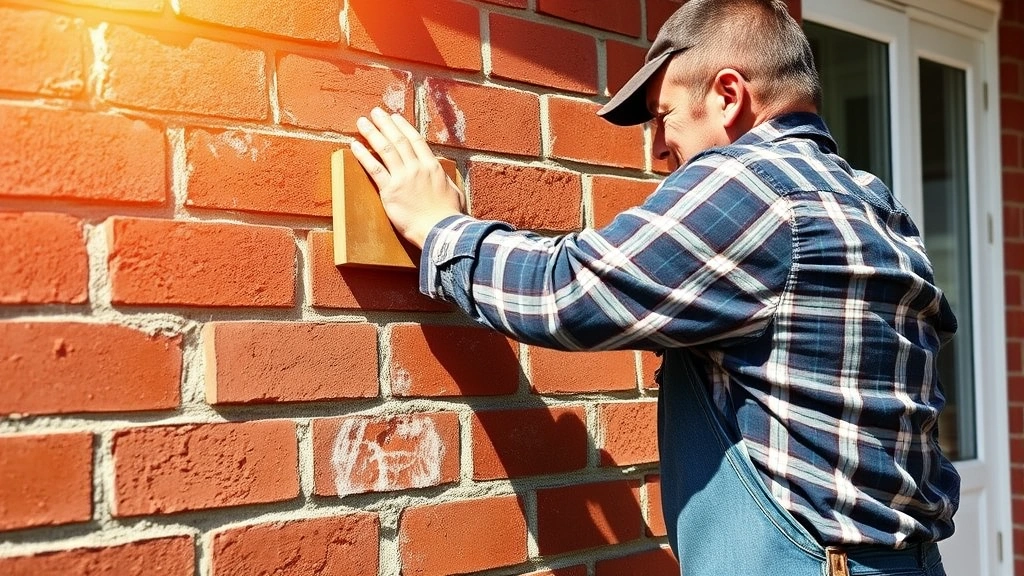
Want to Be a Mason? Expert Tips to Start Your Career in Masonry
Masonry is one of the most rewarding and in-demand skilled trades in the construction industry. Whether you’re drawn to the craftsmanship of building with brick, stone, and concrete block, or you appreciate the tangible results of your labor, becoming a mason offers excellent job security, competitive wages, and the satisfaction of creating structures that last for generations. The construction industry continues to face a skilled labor shortage, making this an ideal time to enter the field and build a prosperous career.
This comprehensive guide walks you through everything you need to know about becoming a mason, from understanding the job requirements to navigating apprenticeships, licensing, and advancing your career. We’ll cover the skills you’ll develop, the certifications that matter, and practical steps you can take today to launch your masonry journey.
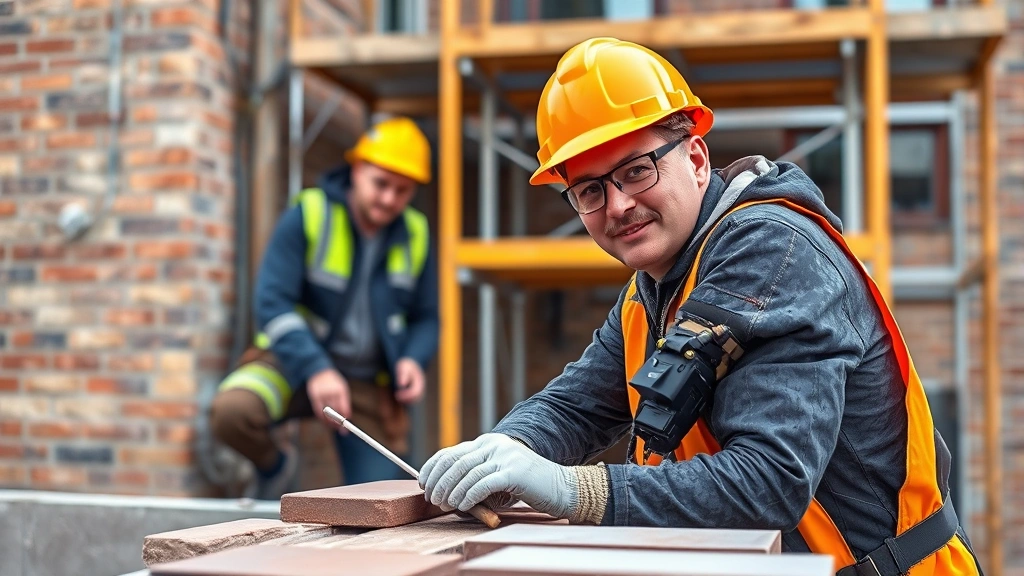
Understanding the Masonry Trade
Masonry involves constructing structures using individual units like bricks, concrete blocks, and stone held together with mortar. Masons are skilled tradespeople who lay these materials according to architectural plans, ensuring proper alignment, structural integrity, and aesthetic appeal. The work is physically demanding but incredibly satisfying, as you literally build the foundations and walls of homes, commercial buildings, and public infrastructure.
The masonry trade has deep historical roots dating back thousands of years. Modern masons combine traditional techniques with contemporary materials and technology. Whether you’re interested in residential construction, commercial projects, or specialized work like stone masonry or decorative brickwork, there’s a niche within masonry that matches your interests and skills.
According to the U.S. Bureau of Labor Statistics, employment for masons is projected to grow steadily, with competitive hourly wages ranging from $25 to $60+ depending on experience, location, and specialization. Many masons earn six figures annually through a combination of wages and self-employment opportunities.
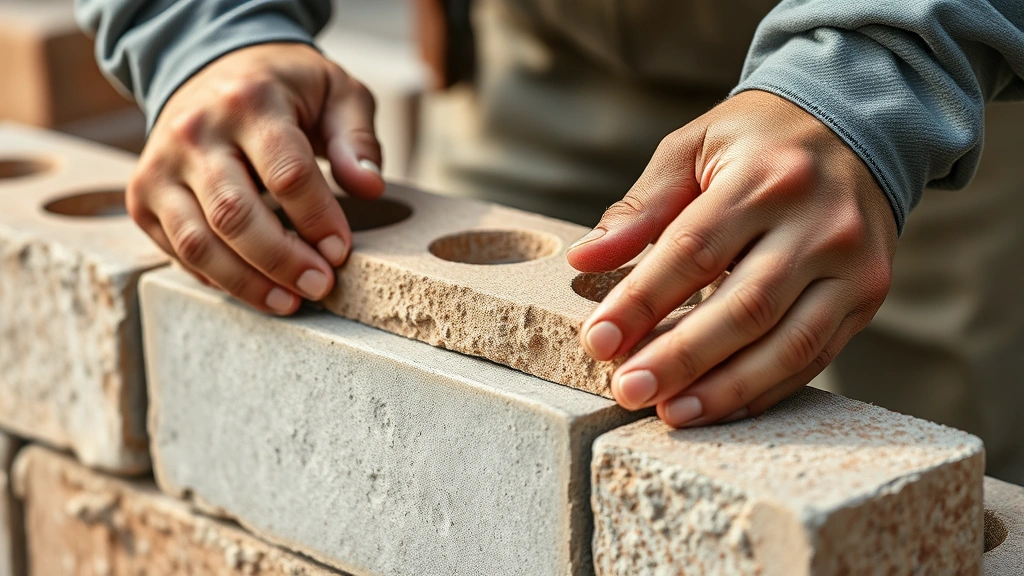
Educational Requirements and Prerequisites
Unlike some professions requiring four-year degrees, masonry has a more accessible entry path. Most positions require a high school diploma or GED, making it an excellent option for those who prefer hands-on learning over classroom academics. However, strong foundational skills in mathematics, particularly geometry and measurements, are essential since you’ll constantly calculate angles, dimensions, and material quantities.
Before pursuing formal apprenticeship, consider taking high school courses in construction, drafting, or shop classes. These classes introduce fundamental concepts you’ll encounter throughout your masonry career. Physical fitness is also important—masonry involves lifting heavy materials, working at heights, and maintaining balance on scaffolding for extended periods.
Some aspiring masons start by working as laborers on construction sites to gain exposure to the industry and determine if masonry is the right fit. This entry-level experience helps you understand job site culture, safety protocols, and whether you enjoy working in construction environments. You’ll also make valuable connections with experienced masons and contractors who might sponsor you for apprenticeship programs.
Visit your local International Code Council office or construction trade associations to learn about specific educational requirements in your region, as standards vary by location.
Apprenticeship Programs Explained
The apprenticeship is the traditional and most common pathway to becoming a mason. These structured programs combine classroom instruction with paid on-the-job training, typically lasting three to four years. During your apprenticeship, you’ll earn wages while learning, which means you’re building skills without accumulating student debt—a significant advantage over many career paths.
Apprenticeships are usually sponsored by union locals or contractor associations, depending on whether you’re pursuing union or non-union masonry. Union apprenticeships often provide better wages, comprehensive benefits, and stronger job security, though they may be more competitive to enter. Non-union programs offer flexibility and may have easier entry requirements, though wages and benefits vary by employer.
To find apprenticeship opportunities, contact your state’s Department of Labor, visit local union halls, or reach out to masonry contractors directly. Many contractors actively recruit apprentices, especially during busy construction seasons. When applying, demonstrate reliability, physical capability, and genuine interest in learning the trade. Employers want to invest in apprentices who will complete the program and become productive journeyworkers.
During your apprenticeship, you’ll learn essential tasks including laying brick and block, reading blueprints, mixing and applying mortar, installing flashing and reinforcement, and finishing techniques. You’ll also develop understanding of building codes, safety regulations, and proper construction sequencing. Classroom instruction typically covers mathematics, blueprint reading, material science, and safety protocols.
A quality apprenticeship program connects you to the broader construction industry resources and networks that support long-term career development. Experienced mentors guide you through challenging projects and teach you time-honored techniques passed down through generations of masons.
Licensing and Certification
Licensing requirements for masons vary significantly by state and locality. Some states require journeyman licenses, while others don’t regulate masonry at the state level. Regardless of legal requirements, obtaining proper certification strengthens your credentials and earning potential. Most jurisdictions require you to pass a journeyman exam after completing your apprenticeship hours.
The Mason Contractors Association of America and similar organizations offer certification programs recognizing specialized skills. The Certified Masonry Supervisor (CMS) credential demonstrates advanced knowledge and leadership capabilities, making you competitive for supervisory positions. The Certified Masonry Inspector (CMI) certification allows you to inspect masonry work for code compliance.
Consider pursuing certifications in specialized areas matching your interests. Stone masonry certification, for example, opens doors to high-end residential and commercial projects. Refractory masonry certification qualifies you for industrial work in power plants and manufacturing facilities, often paying premium wages. Tile and stone setting certifications expand your service offerings and market appeal.
Continuing education requirements vary by jurisdiction. Many states require licensed masons to complete annual professional development hours maintaining and updating their knowledge of new materials, techniques, and building codes. This commitment to ongoing learning ensures you remain current in an evolving industry.
Essential Skills and Tools
Successful masons combine physical dexterity with problem-solving abilities. You’ll need steady hands to place units precisely, strong spatial reasoning to understand three-dimensional construction from two-dimensional plans, and patience to perfect techniques that take years to master fully. Communication skills matter too—you’ll coordinate with contractors, architects, and other trades daily.
Basic masonry tools include trowels, levels, plumb bobs, string lines, chisels, and hammers. As you advance, you’ll learn to use power tools like grinders and saws. Understanding proper tool maintenance and safety is critical. Dull tools increase injury risk and produce poor-quality work, so experienced masons keep their tools sharp and in excellent condition.
Beyond physical tools, you’ll develop knowledge of materials. Understanding mortar composition, brick classifications, concrete block varieties, and stone types allows you to select appropriate materials for specific applications. You’ll learn how weather conditions affect work quality—humidity, temperature, and wind all impact mortar curing and final results.
Blueprint reading is a fundamental skill that takes dedicated practice. You’ll interpret architectural and structural plans, understanding how your masonry work fits within the larger project. Recognizing symbols, understanding scale, and visualizing three-dimensional structures from drawings separates skilled masons from novices.
Safety awareness is perhaps the most critical skill. Masonry work involves fall hazards, heavy lifting, and exposure to harmful dust. Proper use of scaffolding, fall protection equipment, and respiratory protection prevents serious injuries. The best masons are obsessive about safety, recognizing that rushing corners isn’t worth the risk to themselves or coworkers.
Career Advancement Opportunities
The masonry career path offers numerous advancement opportunities beyond basic journeyman work. Many masons transition into supervision or project management roles, overseeing multiple crews and ensuring projects meet schedules and quality standards. These positions typically pay 20-30% more than field work and involve less physical strain.
Becoming a masonry contractor is a natural progression for entrepreneurial masons. You’ll bid projects, manage crews, handle client relationships, and build your own business. Success requires business acumen beyond masonry skills—you’ll need to understand estimating, scheduling, accounting, and marketing. Many successful masonry contractors started as apprentices and worked their way up through various positions.
Specialization opens high-value niches. Historic masonry restoration, for example, commands premium rates because it requires knowledge of traditional techniques and materials. Decorative masonry work, including architectural elements and artistic brickwork, appeals to high-end residential and commercial markets. Chimney and fireplace construction specialization serves both residential and commercial sectors.
Some experienced masons transition into quality assurance roles, inspecting masonry work for compliance with plans and codes. Others become instructors, teaching apprentices and continuing education courses. Technical sales positions with masonry material suppliers leverage your field experience and credibility.
Exploring related construction specialties like basement finishing can complement your masonry skills and expand your market appeal. Many homeowners value contractors who can handle multiple construction trades.
Safety Considerations in Masonry
Masonry work presents specific safety challenges requiring constant vigilance. Falls from scaffolding and elevated surfaces represent the most serious hazard. Proper fall protection, including harnesses and guardrails, is non-negotiable on elevated projects. You’ll learn scaffold inspection and safe climbing techniques during apprenticeship, but individual responsibility for safety is paramount.
Repetitive strain injuries affect many masons over long careers. Proper technique, regular stretching, and ergonomic awareness minimize cumulative damage to shoulders, elbows, and wrists. Taking breaks and varying your tasks helps prevent overuse injuries that can end careers prematurely.
Respiratory protection is critical when working with masonry materials. Silica dust from cutting brick and block causes silicosis, a serious lung disease. Modern masonry emphasizes wet cutting techniques and proper respiratory protection equipment. Never ignore dust hazard warnings—the long-term health consequences are severe.
Eye protection, hearing protection, and proper footwear are essential personal protective equipment. Mortar and cleaning chemicals can damage eyes, loud equipment causes hearing loss, and heavy materials dropped on unprotected feet cause serious injuries. Experienced masons treat PPE as non-negotiable, not optional.
Weather presents ongoing safety challenges. Hot weather increases heat exhaustion risk—staying hydrated and taking frequent breaks prevents serious health emergencies. Cold weather affects mortar curing and requires specific techniques to ensure proper strength development. Wind can destabilize scaffolding and materials.
Understanding construction site security and hazard awareness protects you and coworkers. Reporting unsafe conditions, worn equipment, and near-misses prevents accidents before they happen. A strong safety culture distinguishes professional crews from problematic ones.
FAQ
How long does it take to become a mason?
Most apprenticeships take three to four years to complete, combining classroom instruction and paid on-the-job training. You’ll accumulate 6,000-8,000 hours of supervised work experience. Upon completion and passing your journeyman exam, you’re fully qualified to work independently as a mason.
What’s the difference between union and non-union masonry?
Union masons belong to trade unions providing higher wages, comprehensive benefits, pension plans, and stronger job security. Non-union masons typically earn less but have more scheduling flexibility and easier entry into apprenticeships. Both paths lead to successful masonry careers—the choice depends on your priorities and local opportunities.
Do I need to be physically strong to become a mason?
While masonry involves physical work and lifting, it’s more about technique and endurance than raw strength. Proper lifting mechanics and using tools correctly minimize injury risk. Many successful masons aren’t exceptionally large or strong—they use leverage and technique efficiently. Physical fitness improves over time as your body adapts to the work.
What’s the earning potential for masons?
Entry-level apprentices earn modest wages while learning, typically $15-20 per hour. Journeyworkers earn $25-45 per hour depending on location, union status, and experience. Experienced masons, supervisors, and contractors often earn $60,000-$150,000+ annually. Self-employed masons can exceed these figures significantly through successful business operations.
Are there job opportunities in my area?
Construction demand varies by region, but masonry skills are needed nationwide. Growing metropolitan areas, renovation markets, and regions with active commercial construction all need skilled masons. Contact local contractors, union halls, and your state labor department to assess opportunities in your specific area.
What if I don’t have construction experience?
Construction experience helps but isn’t required. Most apprenticeships accept candidates with only high school diplomas and basic math skills. Starting as a construction laborer provides valuable experience and networking opportunities, but many apprenticeship programs accept complete newcomers willing to learn.
Can I work for myself as a mason?
Yes, many masons become independent contractors or small business owners. You’ll need experience, business skills, proper licensing, and liability insurance. Building a client base and reputation takes time, but successful masonry contractors enjoy excellent income and independence.


