DIY Building Castles? Architect-Backed Guide to Creating Your Dream Medieval Structure
Building a castle might sound like pure fantasy, but with proper planning, architectural knowledge, and construction expertise, creating a castle-inspired structure on your property is entirely feasible. Whether you’re envisioning a full-scale medieval fortress or a charming castle-themed home, this architect-backed guide breaks down the realistic steps, building codes, and design principles you’ll need to bring your castle dreams to life.
Castle construction requires understanding medieval architectural principles combined with modern building standards and safety regulations. From foundation work to decorative stonework, we’ll walk you through every phase of this ambitious project, helping you navigate permits, materials, structural engineering, and the creative design elements that make castles so captivating.
Understanding Castle Architecture and Design
Before breaking ground, you must understand the fundamental principles of castle architecture. Medieval castles weren’t designed solely for aesthetics—they served defensive purposes, required efficient water management, and needed to accommodate large populations. Modern castle projects blend historical authenticity with contemporary comfort and safety standards.
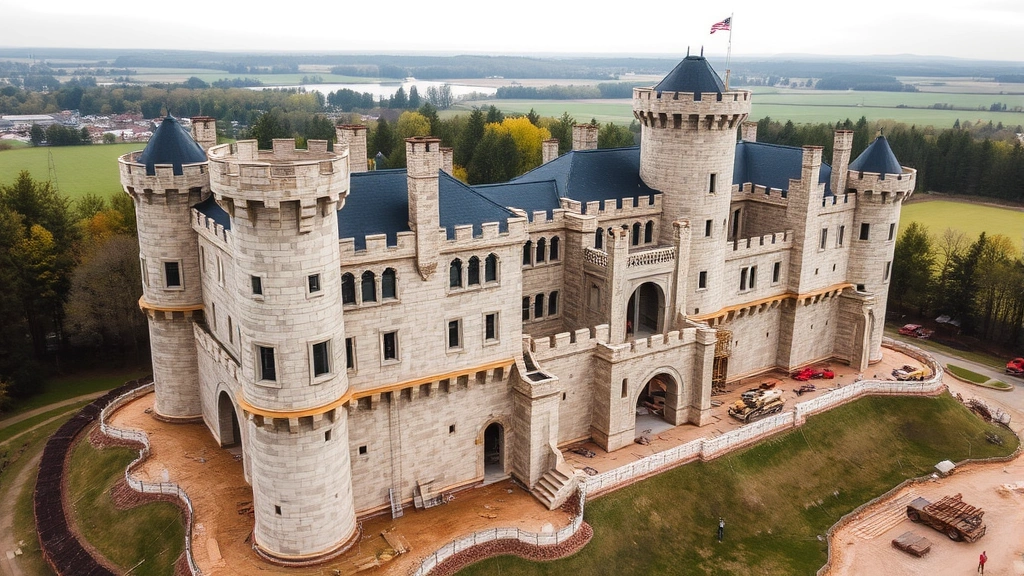
Classic castle elements include crenellated walls (those distinctive notched parapets), round or square towers, drawbridges, moats, and thick stone walls. However, your DIY castle project doesn’t need to replicate every historical feature. Many successful residential castles focus on iconic visual elements while incorporating modern amenities like electricity, plumbing, and climate control.
Study existing castle designs, both historical and modern residential castles. Resources from the International Code Council provide structural guidelines applicable to castle-style construction. Consider hiring an architect experienced in historical or fantasy-themed residential design to create custom blueprints tailored to your vision and local requirements.
Your design should include scaled drawings showing elevation views, floor plans for each level, and detailed sections through walls and towers. These documents become essential for permit applications and contractor communication. Factor in practical considerations like stairwell placement, load-bearing walls, and mechanical system routing from the initial design phase.
Site Selection and Foundation Planning
Location determines much of your castle’s success. Select a site with good drainage, stable soil conditions, and sufficient space for your planned structure plus surrounding features like moats or defensive landscapes. Avoid areas prone to flooding, and verify soil bearing capacity through professional geotechnical testing.
Foundation design is absolutely critical for castle structures. Thick stone walls create enormous loads that require substantial, properly engineered foundations. Most castle projects use reinforced concrete foundations extending below the frost line (depth varies by region—check local building codes). In some cases, engineers specify deep pilings or spread footings to distribute massive wall loads across unstable soil.
Conduct a complete site survey including topography, soil composition, water table elevation, and existing utilities. This information guides foundation depth, drainage design, and structural planning. Hire a licensed surveyor and geotechnical engineer—these professionals aren’t optional for castle-scale projects; they’re essential safety investments.
Consider how your castle’s orientation affects sun exposure, prevailing winds, and views. Position towers and main structures to maximize desirable views while protecting against harsh weather. Plan for adequate setbacks from property lines and compliance with local zoning requirements, which often include minimum distances from neighboring properties.
Building Permits and Code Compliance
This cannot be overstated: obtain all necessary permits before construction begins. Castle projects fall under standard residential or commercial building codes depending on intended use. Your local building department requires detailed plans, structural calculations, electrical designs, and plumbing layouts before issuing permits.
Most jurisdictions follow the International Building Code (IBC), which governs residential and commercial construction nationwide. Castle projects must meet code requirements for:
- Structural safety and wind/snow load resistance
- Fire-rated construction materials and assemblies
- Egress (emergency exit) requirements from all occupied spaces
- Electrical system safety and capacity
- Plumbing and sanitation standards
- Accessibility compliance (ADA requirements)
- Energy efficiency standards
Work with a professional designer or architect who understands local code requirements. They’ll navigate variance requests if your castle design conflicts with standard code provisions. Some jurisdictions are more flexible with unique architectural projects; others strictly enforce conventional standards. Early communication with your building department prevents costly design revisions later.
Budget substantial time for the permit process—castle projects often require engineering reviews, fire marshal approval, and multiple rounds of plan revisions. Expect 2-6 months from initial submission to permit issuance for complex projects.
Structural Engineering Essentials
Castle walls differ fundamentally from typical residential framing. Massive stone or masonry walls create loads that conventional engineering doesn’t address. You need a structural engineer licensed in your state, experienced with masonry and historic-style construction.
Engineers must calculate loads for:
- Dead loads: The weight of walls, roofs, and permanent fixtures themselves
- Live loads: Occupants, furniture, and temporary weights
- Environmental loads: Wind pressure, snow accumulation, seismic forces (varies by location)
Thick stone walls inherently resist horizontal forces better than thin walls, providing excellent structural performance against wind and earthquakes. However, this strength comes with challenges: massive walls require deeper foundations, create enormous vertical loads, and complicate interior space planning.
Modern castle construction typically uses a hybrid approach: reinforced concrete or steel frame structure with stone or masonry veneer. This method provides code-compliant strength while achieving the authentic castle appearance. Alternatively, some projects use solid reinforced masonry throughout, which requires careful engineering but delivers authentic aesthetics.
The structural engineer creates calculations proving your design meets code safety factors for all load conditions. These documents accompany your permit application and guide construction. Don’t skip this step or attempt to design structural systems yourself—improper design creates serious safety hazards.
Materials Selection for Castle Construction
Material choice dramatically affects your project’s cost, timeline, and appearance. Traditional castles used locally quarried stone—often granite, limestone, or sandstone depending on regional availability. Modern castle projects have several options:
Natural Stone Masonry: Authentic appearance but expensive and labor-intensive. Requires skilled masons and proper mortar specifications. Sourcing matching stone can take months. Budget $50-150+ per square foot for quality stone masonry.
Manufactured Stone Veneer: Significantly less expensive ($15-40 per square foot) while achieving convincing castle aesthetics. Lighter weight reduces foundation loads. Easier installation than natural stone. Quality varies; purchase from reputable manufacturers with proven durability.
Concrete Masonry Units (CMU): Standard concrete blocks can be stacked and finished to resemble castle stone. Very affordable and straightforward to install. Requires appropriate finishing (staining, texturing) to achieve desired appearance.
Interior Materials: For interior walls, consider your desired aesthetic. Authentic plaster over masonry, modern drywall for easier finishing, or exposed stone in select areas. Each approach has cost and maintenance implications.
Mortar specification is critical for masonry durability. Historic mortar differs from modern masonry cement; using wrong mortar type can damage authentic stonework. Consult masonry standards from the The Masonry Society for proper mortar selection based on your stone type and climate.
Roofing materials must complement castle aesthetics while meeting modern weather protection standards. Slate shingles provide authentic appearance but cost $800-1200+ per square (100 sq ft). Architectural shingles or metal roofing offer better value while still achieving castle character. Consider climate when selecting materials—harsh weather demands premium durability.
Wall Construction and Masonry Work
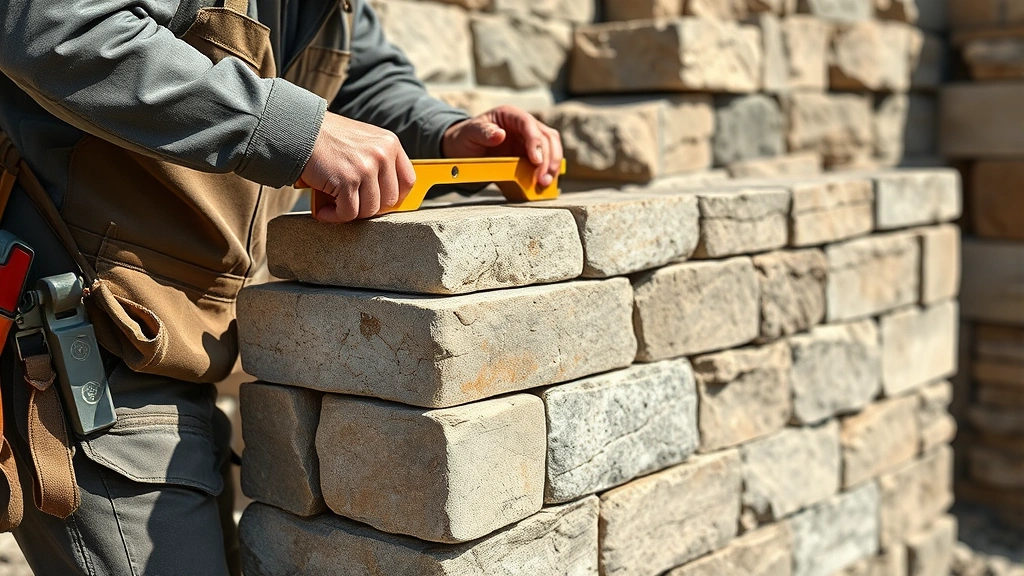
Wall construction represents the most visible and critical aspect of castle building. Whether using natural stone, manufactured veneer, or CMU, proper installation ensures durability and structural integrity.
Foundation to First Course: Before laying any masonry, ensure foundations are properly prepared with adequate dampproofing. Install a moisture barrier between concrete and masonry to prevent water wicking. This step prevents long-term moisture damage and mold growth.
Layout and Alignment: Establish accurate layout lines before starting masonry. Use laser levels and string lines to ensure walls are plumb (perfectly vertical) and level. Misalignment early in construction compounds through multiple courses, creating increasingly visible problems.
Mortar Joint Quality: Proper mortar joints are essential for both appearance and performance. Joints should be consistent width (typically 3/8 to 1/2 inch), completely filled, and tooled to shed water. Poor mortar work leads to water infiltration, which causes freeze-thaw damage and interior moisture problems.
Structural Considerations: If building solid masonry walls, incorporate steel reinforcement per engineer specifications. Rebar placement, spacing, and lap length all matter for structural performance. Vertical reinforcement prevents tension cracking; horizontal reinforcement resists wind loads and settling.
Masonry work requires skill. Unless you’re experienced in stonework or masonry, hire professional masons. Poor masonry installation undermines your entire project’s integrity and appearance. Quality masons understand mortar consistency, joint tooling, stone placement, and structural requirements that amateurs easily overlook.
Towers, Turrets, and Vertical Elements
Towers and turrets define castle character but introduce complex structural challenges. Circular or polygonal towers distribute loads differently than rectangular walls, requiring specialized engineering.
Tower Design: Work with your structural engineer to design towers that resist lateral forces. Circular towers have inherent structural advantages—they distribute wind loads evenly around the circumference. Square towers require careful corner reinforcement.
Internal Bracing: Towers benefit from internal bracing, diagonal members, or shear walls that resist lateral movement. These elements must be integrated during initial construction; retrofitting bracing later is extremely difficult and expensive.
Stairways: Towers typically contain spiral staircases. Plan stairway design carefully—spiral stairs are beautiful but challenging to construct and navigate. Building code requires adequate handrails, tread depth, and rise height. Test your stairway design for code compliance before construction.
Crenellations: Those distinctive notched parapets add authentic castle appearance. However, crenellations reduce parapet strength and create water management challenges. Design crenellations with proper drainage and structural support. Consider whether crenellations are essential or if a solid parapet better serves your needs.
Tower construction proceeds in stages: foundation and lower walls first, then progressively higher courses. Ensure lower sections cure and stabilize before adding significant load above. This prevents settling that misaligns upper courses.
Roofing and Weather Protection
Castle roofs must protect against weather while complementing historic aesthetics. Proper roof design prevents water infiltration, which causes interior damage and structural deterioration.
Roof Framing: Design roofing systems to support expected snow loads in your region. Steep pitches (common in castles) shed snow and rain effectively but create higher wind loads. Engineers calculate rafter sizes, spacing, and support requirements for your climate.
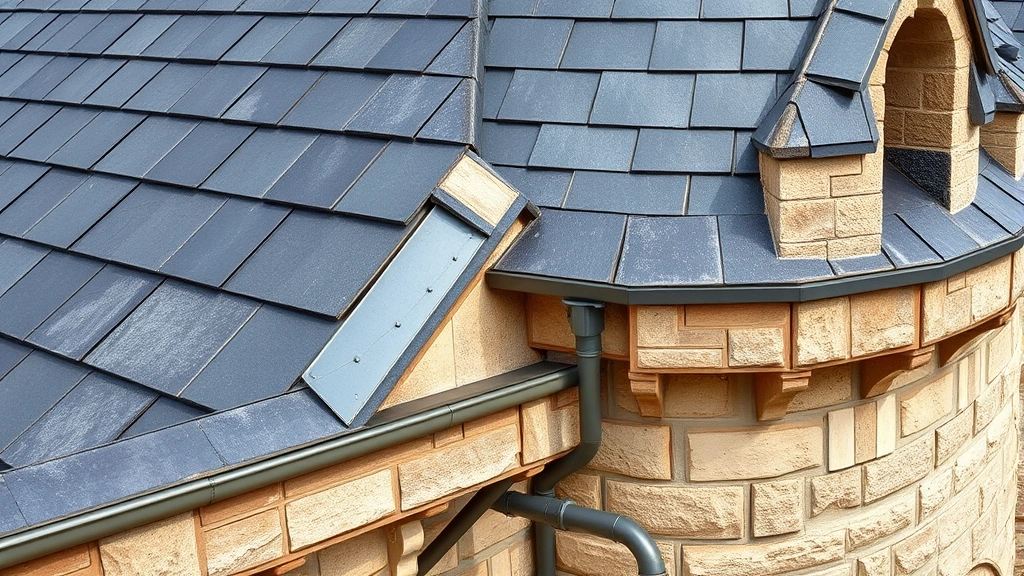
Drainage Design: Ensure water drains away from walls and foundations. Gutters and downspouts direct roof runoff to appropriate discharge points. Poor drainage is the primary cause of masonry deterioration. Design drainage systems during initial construction—adding them later is costly and often ineffective.
Flashing: Critical flashing details at roof-wall junctions, around towers, and at penetrations prevent water infiltration. Improper flashing causes hidden water damage within wall cavities. Hire experienced roofers who understand flashing requirements for complex castle geometry.
Material Selection: Slate shingles provide authentic appearance and exceptional longevity (75+ years). Architectural shingles cost less but require replacement every 20-30 years. Metal roofing offers durability and distinctive appearance. Choose materials matching your castle aesthetic and climate requirements.
Interior Development and Finishing
Once the exterior shell is complete, interior work transforms your castle into a livable home. This phase includes mechanical systems, interior walls, finishes, and amenities.
Review our basement finishing guide for insights on interior space development and moisture management in below-grade areas—principles applicable to castle dungeons or lower levels.
Mechanical Systems: Plan electrical, plumbing, and HVAC routing before walls close. Thick castle walls complicate system installation; plan conduits, chases, and access points during framing. Hidden systems within thick walls become inaccessible; exterior or accessible routing may be necessary.
Interior Wall Finishes: Exposed stone creates authentic castle ambiance but limits wall outlets and system routing. Consider hybrid approaches: exposed stone in main hall or great room, finished drywall in bedrooms and service areas. This balances aesthetics with practicality.
Ceilings: Vaulted or barrel-vault ceilings enhance castle character. Exposed timber beams add authenticity if properly engineered. Ensure adequate ventilation above ceilings to prevent moisture accumulation.
Flooring: Stone, slate, or tile flooring complements castle aesthetics. Ensure proper substrate preparation and waterproofing, especially in lower levels. Cold stone floors benefit from radiant heating systems for comfort.
For detailed guidance on home finishing projects, explore our house painting guide, which covers interior surface preparation and finishing techniques applicable to castle interiors.
Common Challenges and Solutions
Water Management: Thick masonry walls can trap moisture. Specify proper drainage planes, weep holes, and ventilation to prevent moisture accumulation. Regular maintenance and monitoring prevent long-term deterioration.
Temperature Control: Massive stone walls have high thermal mass, making heating and cooling less efficient than conventional construction. Invest in quality insulation, efficient HVAC systems, and weatherstripping to maintain comfort while managing energy costs.
Foundation Settlement: Massive castle walls create enormous loads. Monitor foundations during construction and the first few years after completion. Minor settling is normal; excessive settlement requires engineering intervention.
Construction Timeline: Castle projects take significantly longer than conventional homes—typically 2-5 years depending on scale and complexity. Budget time for material sourcing, skilled labor availability, and seasonal construction limitations.
Cost Overruns: Ambitious projects frequently exceed budgets. Establish contingency reserves (typically 15-20% of project cost) for unexpected conditions, material price increases, and design modifications.
Labor Availability: Skilled masons and specialized craftspeople are in short supply. Plan recruitment early, establish relationships with quality contractors, and budget additional time if specialized labor isn’t readily available.
For security considerations in your castle project, our home security guide covers modern safety systems that complement castle architecture without compromising aesthetics.
Additional resources for castle construction planning include the National Heritage Academies for historical architectural guidance and the Construction Management Association of America for project management best practices applicable to large residential projects.
FAQ
How much does it cost to build a residential castle?
Castle construction costs vary dramatically based on size, materials, location, and complexity. Small castle-inspired homes might cost $300,000-600,000. Full-scale castle projects with extensive stonework, multiple towers, and premium finishes easily exceed $2-5 million. Budget per-square-foot costs of $150-400+ depending on material quality and design complexity. Establish detailed cost estimates before committing to the project.
Do I need special permits for castle construction?
Yes, absolutely. Castle projects require standard building permits, structural engineering approvals, and often fire marshal review. Some jurisdictions may require variance approvals if your design deviates from conventional code provisions. Contact your local building department early to understand specific requirements.
Can I build a castle myself without professional help?
While DIY projects are rewarding, castle construction is too complex and dangerous for complete amateur execution. You need licensed architects for design, structural engineers for calculations, and skilled tradespeople for masonry, roofing, and electrical work. You can handle some finishing work yourself, but core construction must involve professionals.
How long does castle construction take?
Expect 2-5+ years depending on project scale, weather, labor availability, and complexity. Foundation and exterior shell typically take 12-24 months. Interior finishing adds another 12-36 months. Phased construction allows occupancy of completed sections while work continues.
What materials are best for castle construction?
Manufactured stone veneer offers the best value and reasonable authenticity. Natural stone provides maximum aesthetic appeal but costs significantly more. Concrete masonry units work well for budget-conscious projects. Consult your architect and structural engineer for material recommendations matching your design vision and budget.
Are castle homes difficult to heat and cool?
Yes, thick masonry walls create thermal challenges. Invest in quality insulation, efficient HVAC systems, and good weatherstripping. Radiant heating works well for stone floors. Modern castle homes can achieve comfortable temperatures with proper mechanical systems, though energy costs may be higher than conventional homes.
Can I incorporate modern amenities in a castle?
Absolutely. Modern castles successfully integrate electricity, plumbing, heating, air conditioning, and all contemporary conveniences. Plan mechanical system routing during initial design. Exposed systems can complement castle aesthetics; hidden systems require careful planning within thick walls.
What’s the difference between real castles and residential castle homes?
Historical castles prioritized defense and served administrative functions. Modern residential castles focus on aesthetics and livability. They incorporate modern building codes, safety systems, and comfort amenities. Architectural elements are inspired by historical castles but adapted for contemporary residential use.


