
Hotel Checkout Tips: Expert-Approved Guide
Checking out of a hotel might seem straightforward, but the process involves multiple steps that can make or break your travel experience. Whether you’re a frequent business traveler or an occasional vacationer, understanding the proper checkout procedures protects your security, ensures you’re not overcharged, and helps you leave a positive impression. This comprehensive guide covers everything from timing your departure to handling disputes about charges, ensuring your hotel stay ends smoothly and professionally.
The checkout process extends beyond simply leaving your room and handing over your key. Hotels maintain specific protocols designed to protect both guests and the establishment, and following these procedures prevents costly mistakes, damage claims, and billing disputes. Learning how to check out of a hotel properly can save you money, protect your personal information, and streamline future stays at the same property.
Understanding Hotel Checkout Procedures
Hotel checkout procedures vary by property, but standard practices remain consistent across most establishments. Most hotels require checkout between 10:00 AM and 12:00 PM, though this timing differs significantly by location and season. Understanding your specific hotel’s checkout time prevents late fees and ensures you’re not rushing through important steps. Check your confirmation email or call the front desk the day before departure to confirm exact timing for your property.
The checkout process typically involves three main phases: room inspection, bill settlement, and key return. During the room inspection phase, hotel staff assess your room for damage, missing items, and cleanliness issues. Settling your bill includes reviewing charges, processing final payments, and addressing any discrepancies. Key return completes the checkout sequence and officially ends your stay. Each phase requires attention to detail and communication with hotel staff to prevent misunderstandings.
Many modern hotels now offer mobile checkout options through their apps or websites. These digital checkout methods allow you to review your bill and authorize payment from your room, significantly reducing time spent at the front desk. If your hotel offers this service, utilize it to streamline your departure and avoid checkout lines, particularly during peak travel periods.
Understanding basic property maintenance principles applies to hotel rooms as well—treating the space with care prevents damage charges. Hotels expect normal wear and tear, but intentional damage or negligence can result in substantial bills added to your final invoice.
Preparing Your Room Before Departure
Proper room preparation begins the evening before checkout. Pack your belongings methodically, checking closets, drawers, under beds, and bathroom shelves for personal items. Hotel safes, mini-fridges, and desk spaces frequently trap forgotten items. Create a mental checklist: electronics, medications, toiletries, clothing, documents, and valuables. Many hotels charge fees for storing and returning forgotten items, making prevention far more economical than recovery.
Conduct a thorough walkthrough of your room 30 minutes before your scheduled checkout time. This inspection allows you to address any issues before departing and prevents disputes about pre-existing damage or missing items. Check wall outlets to ensure your phone charger isn’t still plugged in—this common oversight requires hotel staff to retrieve and store your device, potentially charging fees.
Document any damage that existed before your arrival. If you notice stains, broken furniture, or non-functional amenities upon arrival, immediately photograph evidence and report these issues to the front desk. Request written confirmation that these problems existed prior to your stay. This documentation protects you from being charged for damage you didn’t cause and establishes your credibility with hotel management.
Return all borrowed items, including extra pillows, blankets, hangers, or room service items. Hotels track these items carefully, and missing pieces result in charges to your account. Ensure remote controls, keys, and access cards are on the nightstand or desk where housekeeping expects to find them.

Clean up obvious messes without performing deep cleaning tasks. Consolidate trash into provided bins, wipe up spilled liquids, and ensure windows are closed properly. While housekeeping will thoroughly clean your room, leaving it reasonably clean demonstrates respect for the property and hotel staff. Some luxury properties offer turndown service, but even these rooms should be left in reasonable condition.
Turn off all lights, television, and air conditioning units before leaving. Many hotels charge for excessive energy consumption, particularly in regions with limited electrical capacity. Closing windows and locking doors securely protects the room from weather damage and security breaches. Verify that windows are completely closed, especially in multi-story properties where wind can cause damage.
Managing Your Final Bill
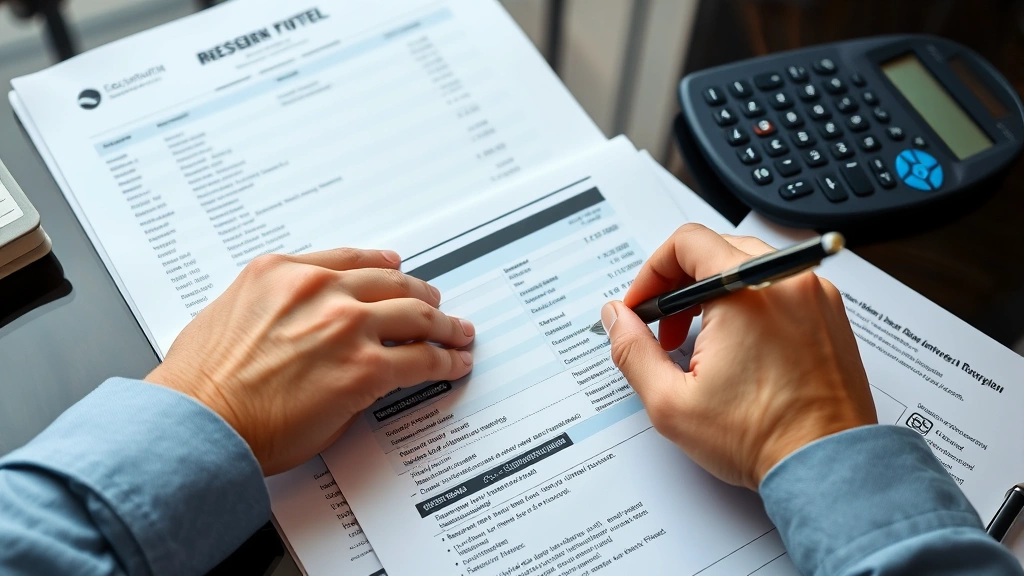
Reviewing your final bill represents one of the most critical checkout steps. Request an itemized statement showing all charges, including room rate, taxes, resort fees, parking, dining, and incidental charges. Many travelers accept bills without verification, missing overcharges and duplicate billing errors. Hotel billing systems occasionally malfunction, and staff may inadvertently charge wrong accounts or apply charges multiple times.
Compare your itemized bill against your original reservation confirmation. Verify that room rates match your quoted price, that applicable discounts were applied, and that taxes and fees align with what you expected. If you prepaid your stay, confirm that the amount charged doesn’t exceed your prepayment plus any authorized incidental charges. Understanding how to verify essential details applies equally to hotel billing—meticulous checking prevents financial losses.
Challenge any unfamiliar charges immediately. Common billing errors include duplicate charges for services, unauthorized resort fees, or charges for items you didn’t use. Most hotels will promptly remove erroneous charges when brought to their attention. Avoid paying your bill until you’ve thoroughly reviewed every line item and resolved any discrepancies with management.
Understand your hotel’s damage policy before disputes arise. Minor damage like small stains or small dents typically fall under normal wear and tear and shouldn’t result in charges. Significant damage like broken furniture, large stains requiring professional cleaning, or missing items legitimately incurs charges. If the hotel claims damage, request photographic documentation and an estimate from a professional cleaning or repair service. You have the right to dispute charges you believe are unreasonable.
Request a receipt or digital copy of your final bill for your records. Retain this documentation for at least 30 days in case your credit card company needs verification of charges. If you used a corporate account or expensed your stay, your company’s accounting department will require itemized documentation for reimbursement purposes.
Security and Personal Safety During Checkout
Protecting your personal information during checkout is essential in our digital age. When paying with a credit card, ensure the front desk staff uses a secure payment terminal and never hands your card to someone outside your view. Reputable hotels maintain PCI compliance standards and use encrypted payment processing. If a hotel requests unusual payment methods or seems to lack proper security protocols, request a manager and clarify their payment procedures before authorizing any charges.
Never leave valuables unattended in your room while packing. Housekeeping staff, maintenance workers, and other hotel employees enter rooms throughout the day. Keep your wallet, passport, laptop, and jewelry with you at all times during the checkout process. Use the hotel safe for valuables if available, retrieving items immediately before departure rather than leaving them in your room while you finish packing.
Be cautious about providing additional personal information during checkout. Hotels should already have necessary details from your reservation. If staff requests Social Security numbers, driver’s license information, or other sensitive data beyond what was provided during booking, politely decline and ask why this information is needed. Legitimate reasons might include credit verification for disputed charges, but you can typically resolve billing issues without providing additional personal data.
If you’re traveling alone, consider having a trusted contact aware of your checkout time. Share your hotel name, room number, and expected departure time with someone who can follow up if you don’t check in by a certain time. This safety measure provides peace of mind and creates accountability for your whereabouts.
When leaving your room for the final time, ensure your door locks securely behind you. Verify that your key card no longer works after checkout—hotels deactivate key cards immediately after guest departure for security purposes. If your card still works after you’ve checked out, return to the front desk and report the malfunction.
Handling Special Circumstances
Late checkout requests require advance notice and often incur additional fees. If you need to stay beyond your scheduled checkout time, contact the front desk upon arrival or the evening before departure. Many hotels charge 50% of the nightly rate for late checkout, though luxury properties may offer complimentary late checkout to loyalty program members or guests staying multiple nights. Requesting late checkout early provides the hotel time to accommodate your request and prevents rushed departures.
Extended stays exceeding your original reservation require billing adjustments and room maintenance during your extended period. Notify the hotel immediately if you need to extend your stay beyond your original checkout date. Hotels may not have availability to extend your specific room, potentially requiring a room change. Discuss pricing for extended stays, as nightly rates may differ from your original reservation rate.
If you experienced significant problems during your stay—such as maintenance issues, noise disturbances, or poor service—address these concerns before checking out. Speak with a manager and explain how these issues affected your stay. Many hotels offer compensation like points, future stay credits, or partial refunds for legitimate service failures. Waiting until after checkout to file complaints makes resolution much more difficult.
Guests with accessibility needs may require modified checkout procedures. If you used accessible features or had specific accommodations, inform staff during checkout so the hotel can properly reset the room for future guests. Request written confirmation of any accessibility features you used, which helps the hotel improve their accessibility offerings.
If you have concerns about charges and cannot resolve them with the hotel, document everything and contact your credit card company within the dispute timeframe. Most credit card companies allow 60-120 days to dispute charges. Provide your card issuer with copies of your reservation confirmation, itemized bill, and documentation of your dispute attempt with the hotel.
Post-Checkout Documentation
Maintaining comprehensive documentation of your hotel stay protects you for months after checkout. Save your confirmation email, itemized final bill, and receipt in a dedicated folder on your computer or cloud storage. If you expensed your stay through an employer, forward these documents to your accounting department promptly to avoid delays in reimbursement.
If you earned loyalty points or elite status credits during your stay, verify that these were properly applied to your account. Log into your hotel loyalty program account within 24-48 hours of checkout and confirm that points appear in your account. Discrepancies can usually be resolved quickly if reported promptly; waiting weeks makes resolution much more difficult as transaction records become archived.
Leave an honest review of your experience on reputable platforms like Yelp, TripAdvisor, or Google Reviews. Your feedback helps other travelers make informed decisions and provides valuable feedback to hotel management. If you had negative experiences, give the hotel an opportunity to respond and improve before posting your review. Constructive criticism is far more valuable than venting complaints.
If you left behind items that you later need to retrieve, contact the hotel’s lost and found department immediately. Most hotels hold items for 30-90 days before discarding them. Be prepared to describe your item in detail and provide your reservation confirmation number. Understand that the hotel may charge shipping fees to return your item, and you’ll be responsible for payment.
For business travelers, understanding systematic maintenance of important details applies to hotel documentation—keeping meticulous records prevents future disputes and simplifies reimbursement processes. Create a filing system for hotel receipts and maintain them for the duration of your company’s audit retention period, typically 3-7 years.
Frequently Asked Questions
What time must I check out of my hotel?
Standard hotel checkout time is typically 11:00 AM or 12:00 PM, though this varies by property and location. Always confirm your specific hotel’s checkout time on your confirmation email or by calling the front desk. Some hotels have earlier checkout times (10:00 AM) or later times (1:00 PM), particularly luxury properties. Planning to depart 30 minutes before your hotel’s stated checkout time prevents last-minute rushing.
Can I store my luggage after checkout?
Most hotels offer complimentary luggage storage for guests after official checkout, allowing you to explore the city before catching evening flights or trains. Request this service at the front desk when checking out, and retrieve your luggage before the hotel’s stated storage deadline, typically 6:00 PM or later. Some hotels charge fees for extended luggage storage beyond standard hours. Always confirm storage policies and retrieval times before leaving your luggage.
What happens if I leave my room messy?
Housekeeping will clean your room regardless of its condition, but leaving excessive messes may result in additional cleaning charges. Hotels typically charge $25-$100 per room for excessive cleaning beyond standard housekeeping. Leaving trash scattered, spilled food, or soiled linens can trigger these charges. While you shouldn’t perform deep cleaning, basic tidying demonstrates respect and prevents unnecessary fees.
How do I dispute a hotel charge on my credit card?
Contact your credit card company’s fraud department and initiate a dispute within 60-120 days of the charge (timeframes vary by card issuer). Provide documentation including your reservation confirmation, itemized bill, and written explanation of your dispute. If possible, contact the hotel first to resolve the issue directly, as credit card companies require evidence that you attempted resolution with the merchant before filing a dispute.
Can I request a refund for poor service?
Many hotels will issue partial refunds or compensation for legitimate service failures if you address concerns before or immediately after checkout. Speak with a manager and explain how service issues affected your stay. Documentation like photos of maintenance problems or noise disturbance recordings strengthens your case. If the hotel refuses reasonable compensation, escalate your complaint to corporate customer service or dispute the charge through your credit card company.
What should I do if I forgot something in my hotel room?
Contact the hotel’s lost and found department immediately—most hotels hold items for 30-90 days. Provide your reservation confirmation number and detailed description of your item. Be prepared to pay shipping fees if you need the item returned to your address. For valuable items, contact the hotel within 24 hours, as items left in rooms are sometimes claimed by housekeeping staff or other guests if not reported promptly.
Are resort fees refundable if I don’t use facilities?
Resort fees are typically non-refundable regardless of whether you use facilities, as they cover general property amenities. However, some hotels have begun refunding resort fees for guests who don’t use specific paid amenities like parking or fitness centers. Review your hotel’s resort fee policy before booking. If you believe resort fees were charged in error or weren’t disclosed during booking, contact the hotel and request a refund based on their specific policies.
How do I know if my bill is correct?
Request an itemized statement showing all charges broken down by category: room rate, taxes, resort fees, parking, dining, phone, and incidentals. Compare this against your original reservation confirmation and any verbal quotes from staff. Verify that room rates match your booked rate, that applicable discounts were applied, and that you’re only charged for services you actually used. Most billing errors can be corrected immediately when brought to management’s attention.


