DIY Chimney Cleaning: Expert Tips & Tools Needed
A clean chimney is essential for safe, efficient fireplace operation and home heating. Over time, creosote buildup—a flammable byproduct of burning wood—accumulates inside your chimney, increasing fire risk and reducing draft efficiency. Regular chimney cleaning prevents dangerous chimney fires, improves air quality, and extends your heating system’s lifespan. Whether you’re a seasoned DIYer or tackling this project for the first time, understanding proper chimney cleaning techniques ensures both safety and effectiveness.
This comprehensive guide covers everything you need to know about how to clean a chimney, from essential tools and safety precautions to step-by-step instructions and when to call a professional. We’ll explore different cleaning methods, help you identify signs your chimney needs attention, and provide expert tips based on industry standards and building codes.
Why Regular Chimney Cleaning Matters
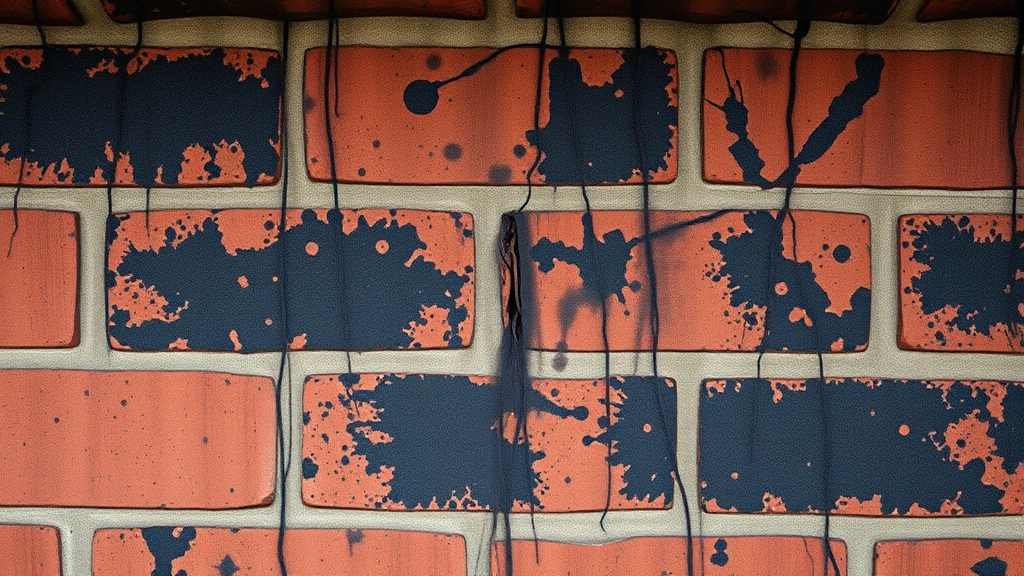
Creosote accumulation is the primary reason chimneys require regular cleaning. This sticky, flammable substance forms when wood burns incompletely, and it clings to the interior chimney walls. The National Fire Protection Association (NFPA) recommends cleaning chimneys at least once per year, or more frequently if you use your fireplace regularly.
Beyond fire prevention, regular cleaning provides several critical benefits. A clean chimney improves draft efficiency, meaning your heating system works more effectively and uses less fuel. It also reduces indoor air pollution by ensuring proper ventilation of combustion gases. Creosote buildup can also damage chimney liners and masonry, leading to expensive repairs. Additionally, blockages from debris, bird nests, or animal intrusions can cause dangerous carbon monoxide backup into your home.
Signs your chimney needs cleaning include visible creosote buildup inside the fireplace, slow draft or smoking inside the home, a strong smell from the chimney, and visible debris or nesting materials at the top. If you’ve burned more than three full cords of wood since your last cleaning, it’s definitely time to schedule maintenance.
Tools and Materials You’ll Need
Proper tools make chimney cleaning safer and more effective. Here’s what you’ll need:
- Chimney brush: The most important tool. Choose a brush that matches your chimney type (round for round flues, rectangular for rectangular). Brushes range from 3 to 8 inches in diameter. Wire brushes work for creosote removal; poly brushes suit gentler cleaning.
- Rods and extensions: Flexible rods connect to your brush, allowing you to reach the full chimney length. Most chimneys require 20-30 feet of rod extensions.
- Drop cloth or tarp: Essential for catching falling soot and debris. Use heavy-duty plastic sheeting to protect your fireplace interior and surrounding floors.
- Safety equipment: A sturdy ladder, safety harness if working from the roof, work gloves, eye protection, and a dust mask or respirator rated for particulate matter.
- Flashlight or headlamp: Visibility is crucial for inspecting the chimney interior before and after cleaning.
- Vacuum: A shop vac with HEPA filtration handles the soot and debris cleanup efficiently.
- Chimney cap: Keep one nearby if you need to replace a damaged cap during inspection.
- Inspection mirror: A small mirror on an extension pole helps you see inside the flue from the fireplace opening.
If you’re interested in other cleaning projects around your home, check out our guides on DIY carpet cleaning and DIY grout cleaning for comprehensive household maintenance approaches.
Safety Precautions Before You Start
Chimney cleaning involves working at heights and handling hazardous materials, making safety paramount. Follow these essential precautions:
Prepare your workspace: Lay plastic sheeting throughout your fireplace and hearth area to contain soot and debris. This makes cleanup significantly easier and prevents staining. Close interior doors to the fireplace room to minimize dust spread throughout your home.
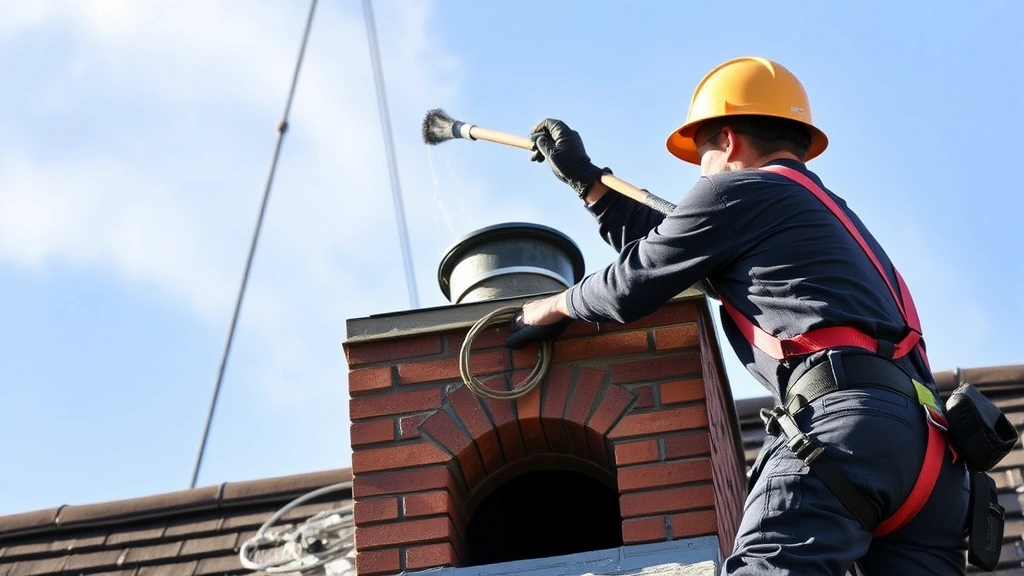
Use proper ladder safety: Set your ladder on level ground with someone spotting you. Never overreach; reposition the ladder frequently. If working from the roof, use a safety harness connected to a solid anchor point. Consider renting roof brackets designed specifically for chimney work.
Wear appropriate protective gear: Soot contains carcinogenic creosote particles. Wear a NIOSH-rated respirator (N95 minimum, though N100 is better for creosote), safety glasses, and heavy-duty work gloves. Long sleeves and pants protect your skin.
Check weather conditions: Don’t clean your chimney on windy days—soot and debris will blow around. Avoid rain or snow, which make roof work hazardous.
Ensure proper ventilation: Open windows in the fireplace room and other areas of your home to prevent soot from settling on surfaces. Proper ventilation also protects your respiratory system.
Inspect for hazards: Look for loose bricks, damaged mortar, or compromised chimney caps before starting. Address structural issues before cleaning, as they may require professional repair.
Never use fire to clean: Some people mistakenly believe burning hot fires clears creosote. This is extremely dangerous and can cause chimney fires. Use only mechanical cleaning methods.
Step-by-Step Chimney Cleaning Process
Step 1: Inspect the chimney interior
Before cleaning, inspect your chimney thoroughly. Use a flashlight and inspection mirror to look up from the fireplace opening. Check for creosote thickness (more than 1/8 inch requires cleaning), blockages, damaged liners, and structural issues. From the roof, visually inspect the chimney cap and crown for damage. Photograph any concerns for reference.
Step 2: Set up your workspace
Lay plastic sheeting from the fireplace opening down the hearth and across the room. Place your vacuum in the fireplace opening with the hose directed outside if possible. Position your drop cloth to catch falling debris. Set up a stable work area at the base of your ladder.
Step 3: Assemble your cleaning system
Connect your chimney brush to the first rod section. Add additional rod sections as needed, working from the fireplace opening upward. Avoid assembling the entire system at once—work in sections for better control and safety.
Step 4: Begin brushing from the top
If accessing from the roof (the most effective method), carefully lower your brush assembly down the chimney. Use firm, controlled strokes, pushing down and pulling up repeatedly to dislodge creosote. Don’t force the brush—if resistance increases significantly, stop and investigate rather than risk damaging the liner.
Step 5: Work methodically downward
Progress downward in sections, adding rod extensions as needed. Maintain consistent pressure and scrubbing motions. Take breaks to prevent fatigue, which increases accident risk. Work slowly and deliberately rather than rushing.
Step 6: Clean the smoke chamber
Once you’ve brushed the entire flue, focus on the smoke chamber—the area where the flue transitions to the fireplace opening. This area often contains heavy creosote deposits. Use a smaller brush or rods to clean this transition zone thoroughly.
Step 7: Vacuum and dispose of debris
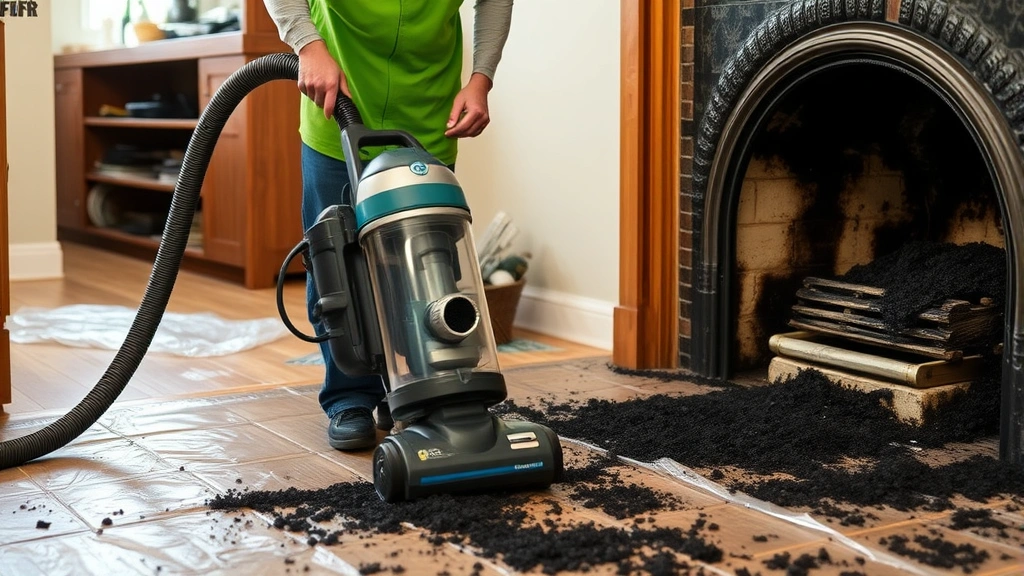
Use your shop vac to collect fallen soot and debris. HEPA-filtered vacuums prevent fine creosote particles from becoming airborne. Dispose of collected debris according to local regulations—never pour it down drains.
Step 8: Final inspection
Perform a final inspection using your flashlight and mirror. The interior should appear light gray or white, with no visible black creosote. If heavy deposits remain, repeat the cleaning process in affected areas.
Professional vs. DIY Cleaning
While DIY chimney cleaning is possible for homeowners with proper equipment and experience, several situations warrant professional help. Professional chimney sweeps have specialized equipment like video inspection cameras, power-washing systems, and advanced rod systems that reach complex chimney configurations. They’re trained to identify structural problems, damaged liners, and safety hazards that DIYers might miss.
Consider hiring professionals if your chimney has:
- Significant structural damage or deteriorating mortar
- Heavy creosote buildup (more than 1/4 inch thick)
- Complex configurations or multiple flues
- Damaged or missing chimney caps
- Evidence of animal intrusion or nesting
- Previous chimney fires or heat damage
- Accessibility issues due to height or roof pitch
Professional sweeps typically cost $100-$250 per chimney, but they provide detailed inspection reports, safety certification, and peace of mind. Many insurance policies require professional chimney cleaning documentation, particularly if you file a claim related to chimney fires.
For routine maintenance of a standard masonry chimney in good condition, DIY cleaning can save money. However, prioritize safety over savings. If you’re uncomfortable working at heights, handling hazardous materials, or lack proper equipment, hire a professional certified by the National Chimney Sweep Guild (NCSG).
Maintenance Tips Between Cleanings
Proper maintenance extends the time between cleanings and prevents dangerous buildup. Burn only seasoned firewood with moisture content below 20 percent. Wet or green wood produces excessive creosote. Stack wood in a dry location for at least 6-12 months before burning.
Maintain proper fire temperature: Hot, efficient fires produce less creosote than smoldering, smoky fires. Build fires using proper stacking techniques and adequate air supply. Never restrict airflow to slow a fire.
Install a chimney cap if yours is missing or damaged. Caps prevent rain, debris, and animals from entering the chimney while allowing smoke to escape. They’re inexpensive and dramatically reduce maintenance needs.
Ensure proper insulation: Uninsulated chimneys cool quickly, causing condensation that accelerates creosote formation. If your chimney is exposed to cold air, consider insulation upgrades or chimney liner systems.
Monitor draft quality: Poor draft indicates blockages or airflow problems. If your fireplace draws smoke into the room, have it professionally inspected before using it further.
Keep records: Document cleaning dates, observations, and any repairs. This history helps you identify patterns and plan maintenance effectively. It also provides documentation for insurance purposes.
Schedule annual inspections: Even if you’re not cleaning, annual inspections catch problems early. Many professionals recommend Level 1 inspections (basic visual) annually, with Level 2 inspections (detailed examination) every 3-5 years.
For additional cleaning guidance around your home, explore our comprehensive articles on how to clean a chalkboard, how to clean a baseball hat, and DIY car cleaning for comprehensive household maintenance strategies. Return to the DIY Nests Hub Blog for more expert home improvement tips.
FAQ
How often should I clean my chimney?
The National Fire Protection Association recommends annual cleaning for chimneys in regular use. If you burn three or more full cords of wood annually, consider cleaning twice yearly. Chimneys used infrequently may need cleaning every 2-3 years.
Can I clean my chimney myself, or should I hire a professional?
DIY cleaning is possible if you’re comfortable working at heights, have proper safety equipment, and your chimney is in good condition. However, professionals offer detailed inspections, specialized equipment, and insurance documentation. Consider your comfort level, equipment availability, and chimney condition when deciding.
What’s the difference between creosote stages?
Stage 1 creosote is flaky and loose—easy to brush away. Stage 2 is sticky and tar-like, requiring more aggressive scrubbing. Stage 3 is hardened, glazed creosote that’s difficult to remove and indicates advanced buildup. Professional cleaning or chemical treatments may be necessary for Stage 3 deposits.
Is it safe to use chemical chimney cleaners?
Chemical cleaners designed for Stage 1 creosote can supplement mechanical cleaning but shouldn’t replace it. They’re less effective on heavy deposits and may cause residue. Always follow manufacturer instructions and combine chemical treatments with mechanical brushing for best results.
What should I do if my chimney has structural damage?
Stop using your fireplace immediately and hire a professional chimney inspector or mason. Structural damage compromises safety and efficiency. Repairs might include mortar repointing, liner replacement, or crown repair—all professional-level work requiring specialized skills and materials.
Can chimney fires happen if I clean regularly?
Regular cleaning significantly reduces fire risk, but completely unburned soot particles can still ignite if temperatures exceed 1,100°F. Proper fire management, quality firewood, and professional inspections further minimize risk. If you suspect a chimney fire, evacuate immediately and call emergency services.
How do I know if my chimney has a draft problem?
Signs include smoke backing into your home, difficulty starting fires, or visible smoke escaping around the fireplace doors. Draft problems indicate blockages, improper sizing, or structural issues. Professional inspection with draft measurement tools can diagnose the cause.


