Clean Fruit with Vinegar? Expert Tips Inside
Washing fruit is one of the most fundamental food safety practices in any kitchen, yet many people rely solely on water to remove dirt, pesticides, and bacteria from their produce. A simple vinegar solution offers a natural, cost-effective alternative that can significantly improve your fruit cleaning routine. Whether you’re concerned about residual pesticides, bacterial contamination, or simply want to extend the shelf life of your berries and apples, understanding how to properly clean fruit with vinegar is an essential skill every home cook should master.
The science behind vinegar’s cleaning power lies in its acetic acid content, which helps break down waxy coatings on fruit skin and dissolve certain residues that water alone cannot remove. This comprehensive guide walks you through everything you need to know about using vinegar for fruit cleaning, from creating the perfect solution ratio to handling delicate produce safely.
Why Vinegar Works for Cleaning Fruit
Vinegar has been used as a natural cleaning agent for centuries, and its effectiveness extends far beyond kitchen surfaces. The acetic acid in vinegar—typically ranging from 4% to 8% depending on the type—creates an acidic environment that disrupts the structural integrity of bacteria cell walls and helps dissolve stubborn residues. When you clean fruit with vinegar, you’re leveraging a natural antimicrobial agent that doesn’t require harsh chemicals or synthetic additives.
Research published by the USDA Food Safety and Inspection Service indicates that while water alone removes some surface contaminants, adding an acidic component enhances removal of certain pathogens and pesticide residues. The vinegar solution works by penetrating the microscopic crevices on fruit surfaces where bacteria and chemical residues hide. This is particularly important for produce with textured skins like apples, pears, and stone fruits.
Beyond antimicrobial properties, vinegar solutions help remove the waxy coatings that many commercial fruits receive to enhance appearance and shelf life. These coatings, while food-safe, may trap pesticide residues underneath. A vinegar wash helps break down these protective layers, allowing for more thorough cleaning. Additionally, the slight acidity helps prevent browning in certain fruits by inhibiting enzymatic oxidation, which extends freshness after washing.
Vinegar Solution Ratios and Recipes
Creating the correct vinegar solution is crucial—too strong and you risk damaging delicate fruit or leaving an unpleasant taste, too weak and you lose the cleaning benefits. The most widely recommended ratio for fruit cleaning is one part vinegar to three parts water. This balanced formula provides effective cleaning power while remaining gentle enough for all fruit varieties.
For a basic vinegar fruit wash, combine these ingredients in a large bowl or spray bottle:
- 1 cup white vinegar (or apple cider vinegar)
- 3 cups filtered or tap water
- 1 tablespoon baking soda (optional, for enhanced cleaning)
- A few drops of lemon juice (optional, for additional antimicrobial benefits)
White vinegar is preferred for fruit cleaning because its neutral appearance won’t stain produce, and it has a clean taste profile. Apple cider vinegar works equally well but may impart a slight apple flavor. Avoid rice vinegar or flavored vinegars, as these can leave unwanted tastes on your fruit.
For extra-tough residues or heavily sprayed produce, some experts recommend a stronger solution of one part vinegar to two parts water, though this should only be used for hardy fruits like apples and pears, not delicate berries. If you’re using our DIY Nests Hub Blog methods for kitchen organization, proper fruit storage begins with thorough washing using the right solution strength.
The optional baking soda addition creates a mild abrasive that helps physically remove stubborn residues without scratching fruit skin. When combined with vinegar, baking soda produces a slight fizzing action that can dislodge embedded particles. Lemon juice adds additional citric acid, enhancing the antimicrobial properties while adding a pleasant aroma to your cleaning solution.
Step-by-Step Cleaning Methods
Different fruit types and your available equipment will determine which cleaning method works best for your situation. The most effective approaches include soaking, spraying, and brushing techniques adapted to specific produce.
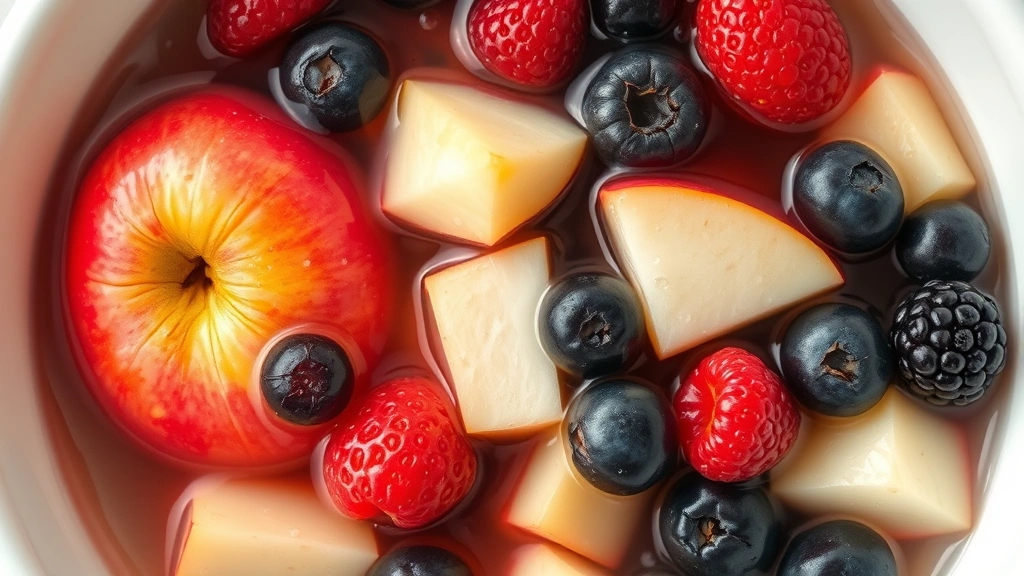
The Soaking Method works exceptionally well for apples, pears, grapes, and other sturdy fruits. Fill a large bowl with your prepared vinegar solution and submerge fruit for 5-10 minutes. This extended contact time allows the acetic acid to work on stubborn residues and waxy coatings. After soaking, gently rub each fruit under running water with your hands or a soft cloth. This two-stage process—chemical treatment followed by mechanical removal—is particularly effective at removing pesticide residues. Drain the solution completely and pat fruits dry with clean paper towels or cloth towels before storing.
The Spray and Wipe Method offers convenience for smaller quantities or when you’re preparing fruit immediately before consumption. Transfer your vinegar solution to a spray bottle and lightly mist each piece of fruit, ensuring complete coverage. Allow the solution to sit for 2-3 minutes, then gently rub with a soft cloth or soft-bristled brush. Rinse thoroughly under running water. This method works particularly well for berries in containers or when you need to clean fruit quickly.
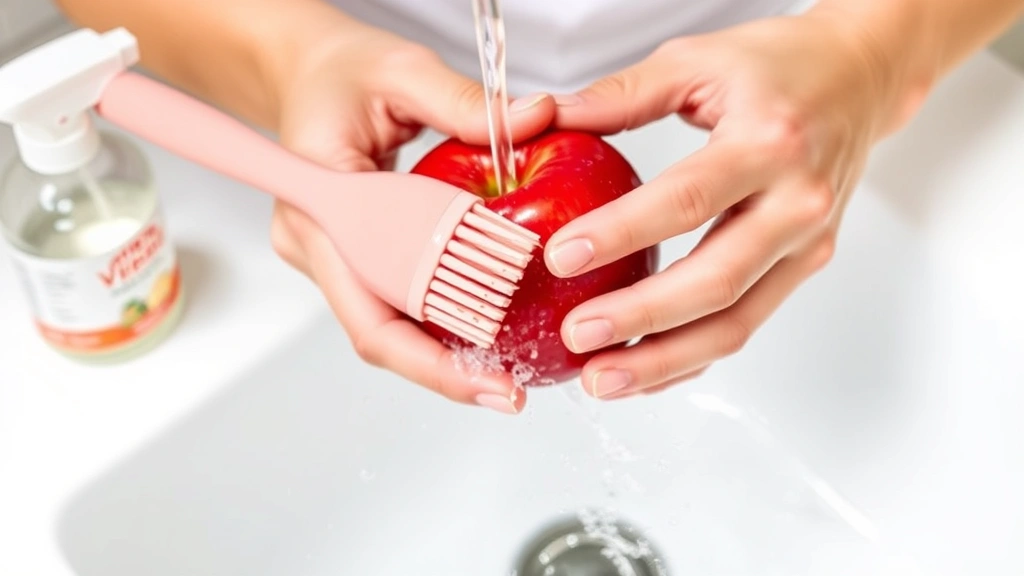
The Brush Method combines gentle mechanical action with chemical cleaning. After soaking fruit in vinegar solution for 5 minutes, use a soft-bristled produce brush to gently scrub the surface in circular motions. This approach is ideal for textured fruits like cantaloupe, strawberries, and raspberries, where dirt tends to accumulate in crevices. Never use hard-bristled brushes or abrasive materials that could damage fruit skin and create entry points for bacteria.
For delicate berries and stone fruits, a gentler approach is necessary. Rather than soaking, spray the vinegar solution lightly and let sit for just 1-2 minutes. Use your fingers to gently roll berries in the solution rather than vigorous rubbing. The shorter contact time and minimal mechanical action preserve the delicate skin while still providing cleaning benefits.
Cleaning Different Fruit Types
Hard Fruits (Apples, Pears, Peaches) can handle the full strength vinegar solution and vigorous cleaning. These fruits benefit from the 5-10 minute soak followed by brush scrubbing. The thick skins can withstand the acetic acid without damage, and the longer contact time removes waxy coatings more effectively. After cleaning, these fruits can be stored for extended periods, making thorough washing worthwhile.
Berries (Strawberries, Blueberries, Raspberries) require gentler treatment due to their delicate skins and tendency to absorb liquid. Use the diluted spray method with minimal soaking time—no more than 2 minutes. Pat dry immediately with paper towels to prevent moisture absorption that promotes mold growth. Clean berries just before eating rather than in advance, as the vinegar treatment combined with moisture can accelerate spoilage. If you’re organizing your kitchen for better food storage, consider how to clean fridge water dispenser systems to ensure your refrigerator maintains optimal produce storage conditions.
Citrus Fruits (Oranges, Lemons, Limes) have naturally protective thick skins that resist bacterial penetration, so vinegar cleaning is primarily for surface residue removal. A quick 2-3 minute soak or spray works well. These fruits are less likely to harbor harmful pathogens due to their acidic nature, but cleaning remains important for removing pesticides and dirt before handling.
Grapes present a unique challenge due to their small size and tendency to roll. Place grapes in a colander and spray with vinegar solution, gently turning them to ensure coverage. Allow 3-4 minutes of contact time, then rinse under running water while rolling grapes gently with your hands. This prevents bruising while ensuring thorough cleaning.
Melons and Squashes have thick, textured skins that trap dirt and bacteria. Soak for 10 minutes or use the brush method with a soft-bristled vegetable brush. Pay special attention to the indented areas and seams where dirt accumulates. This is particularly important for cantaloupes and honeydew melons, which have been associated with bacterial contamination.
Safety Considerations and Best Practices
While vinegar cleaning is safe and natural, several important safety guidelines ensure you’re getting maximum benefits without risks. Always use food-grade vinegar with 4-8% acetic acid content—never use industrial or pickling vinegars with higher concentrations, as these can damage fruit skin and may not be food-safe.
Never assume vinegar solution replaces proper food safety practices. According to the CDC Food Safety Guidelines, washing produce is just one component of comprehensive food safety. Proper storage, preventing cross-contamination, and cooking temperatures for certain produce remain essential. Vinegar cleaning is most effective as a preventive measure for surface contamination but won’t eliminate all pathogens, particularly internal contamination.
Always rinse thoroughly after vinegar treatment. Residual vinegar can affect taste and may be unpleasant for some individuals. Use clean, filtered water for the final rinse to avoid recontaminating fruit with tap water that may contain its own residues. If you have concerns about water quality, consider your home’s water filtration system—maintaining clean water sources is as important as cleaning produce itself.
Pat fruit completely dry after washing, as excess moisture promotes mold growth and bacterial proliferation. Use clean paper towels or cloth towels that have been recently laundered. Never use the same cloth for multiple cleaning sessions without washing, as this spreads bacteria rather than eliminating it.
For families with young children, pregnant individuals, or immunocompromised members, extra precaution is warranted. The FDA Produce Safety Standards recommend additional cleaning measures for high-risk populations. In these cases, consider using vinegar solutions as a standard practice rather than occasional measure, and ensure all produce is thoroughly cleaned even if it will be cooked.
Post-Cleaning Storage Tips
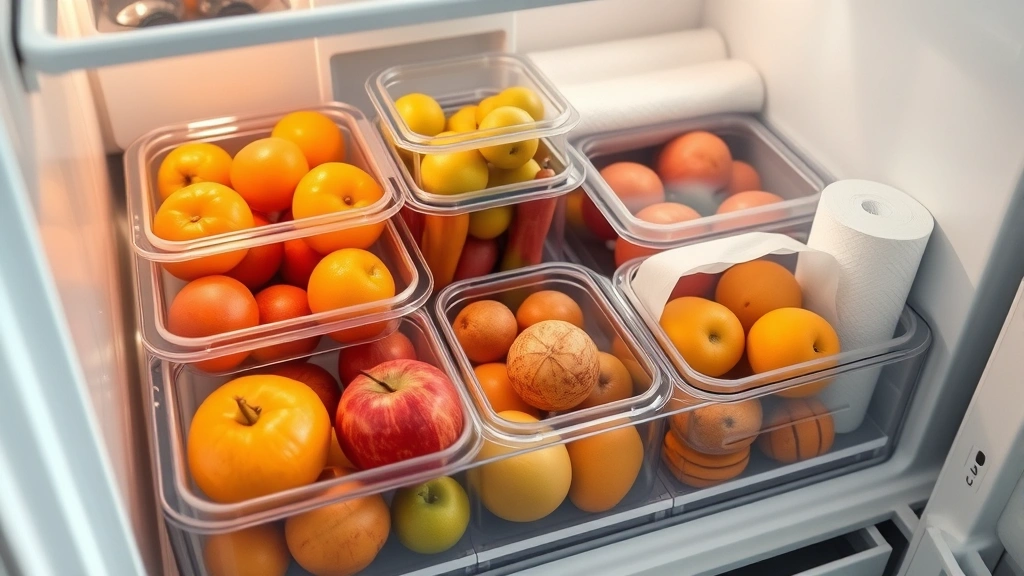
Proper storage after vinegar cleaning extends the effectiveness of your washing efforts. Once fruit is cleaned and completely dry, store it in the crisper drawer of your refrigerator, which maintains optimal humidity levels for most produce. If you’re maintaining your refrigerator’s cleanliness to support proper food storage, how to clean fridge coils helps ensure your appliance operates at peak efficiency.
Different fruits have different storage requirements post-washing. Berries should be stored in their original containers or loosely in paper towels to manage excess moisture. Hard fruits like apples and pears can be stored in sealed containers without issue. Citrus fruits can be left at room temperature or refrigerated depending on your preference and local climate.
Never store cleaned fruit directly in sealed plastic bags, as trapped moisture accelerates mold growth. If using storage bags, leave them partially open or use breathable produce bags designed to allow air circulation. The goal is maintaining the right humidity balance—enough to prevent desiccation, but not so much that moisture promotes fungal growth.
Keep cleaned and uncleaned produce separate in your refrigerator to prevent cross-contamination. Store cleaned fruit on upper shelves away from raw meats and vegetables that haven’t been washed. This simple organizational practice significantly reduces foodborne illness risk. For comprehensive kitchen organization strategies that support food safety, our basement finishing guide includes sections on creating organized food storage areas.
Monitor cleaned fruit daily and remove any pieces showing signs of mold, bruising, or deterioration. Mold spores spread quickly in storage containers, so removing affected fruit immediately prevents entire batches from spoiling. Most cleaned fruit stays fresh for 3-7 days depending on type, so plan consumption accordingly.
FAQ
Is vinegar safe for all fruits?
Yes, properly diluted vinegar solution (1:3 ratio) is safe for all fruit types. However, delicate berries require shorter contact times and gentler handling than hardy fruits. Always rinse thoroughly after treatment to remove vinegar residue.
Can I use other types of vinegar besides white vinegar?
Apple cider vinegar works equally well and may be preferred for its additional health properties. Avoid rice vinegar, balsamic vinegar, or flavored vinegars, as these can leave unwanted tastes on fruit. Stick to vinegars with 4-8% acetic acid content.
How long should fruit soak in vinegar solution?
Hardy fruits benefit from 5-10 minute soaks, while delicate berries should only soak for 1-2 minutes. Longer soaking times don’t significantly improve cleaning for most fruits and increase the risk of moisture absorption in berries.
Does vinegar remove all pesticides?
Vinegar solution significantly reduces pesticide residues and is more effective than water alone, but it cannot guarantee complete removal of all pesticides. For maximum pesticide reduction, purchase organic produce and use vinegar cleaning as part of a comprehensive food safety approach.
Can I make vinegar solution in advance?
Yes, vinegar solution can be prepared and stored in spray bottles or sealed containers for up to two weeks. Keep it in a cool, dark place away from direct sunlight. Always shake well before using, as ingredients may separate.
Should I clean fruit before or after cutting?
Always clean whole fruit before cutting. This prevents bacteria from being transferred from the outside to the inside during the cutting process. After cutting, consume fruit promptly or store in sealed, clean containers.