How to Clean Oil Off Concrete: Professional Methods for Homeowners
Oil stains on concrete are one of the most stubborn and frustrating problems homeowners face, whether in driveways, garages, or workshop areas. A single leak from your vehicle or machinery can leave a dark, greasy mark that seems permanent if you don’t act quickly with the right approach. The good news is that with proper techniques and materials, you can remove even years-old oil stains and restore your concrete to near-original condition.
Understanding the nature of oil contamination is essential before attempting removal. Oil penetrates concrete’s porous surface, bonding with the mineral structure and creating stains that won’t simply wash away with water. The depth of penetration, age of the stain, and type of oil involved all affect which removal method will work best. This comprehensive guide walks you through proven professional strategies that deliver results, from simple preventative measures to advanced cleaning techniques used by commercial contractors.
Understanding Concrete Porosity and Oil Penetration
Concrete is inherently porous, containing millions of tiny air pockets and capillaries throughout its structure. These voids allow water, oils, and other liquids to penetrate deeply into the material. When oil contacts concrete, it doesn’t simply sit on the surface—it immediately begins soaking into these pores, where it chemically bonds with the cement paste and aggregate. This is why oil stains darken and spread over time if left untreated.
The depth of oil penetration depends on several factors: the concrete’s age and condition, the type of oil (motor oil penetrates differently than cooking oil), the ambient temperature, and how long the spill sits before cleanup begins. Fresh spills can penetrate one to two inches within minutes, while older concrete with micro-cracks may allow oil to travel even deeper. Understanding this process explains why surface-level cleaning rarely works and why you need strategies that address subsurface contamination.
Different concrete finishes also affect oil removal difficulty. Sealed concrete with a protective coating resists oil penetration better than unsealed concrete, making prevention through sealing a worthwhile investment. If your concrete is already sealed, oil removal becomes easier since the stain remains primarily on the surface. Check whether your concrete has been sealed by observing water beading behavior—if water forms droplets rather than soaking in, your concrete is sealed.
Immediate Response: Fresh Oil Spill Treatment
The first hours after an oil spill are critical. Immediate action can prevent deep penetration and make removal exponentially easier. If you catch a spill while it’s still wet, your first instinct should be to stop the spread rather than immediately cleaning it.
Initial containment steps:
- Stop the source immediately—turn off equipment or move vehicles away from the affected area
- Create a barrier around the spill using sand, kitty litter, or commercial absorbent granules to prevent spreading
- Avoid using water initially, as this can push oil deeper into concrete pores
- Do not attempt to hose away fresh oil, despite the temptation
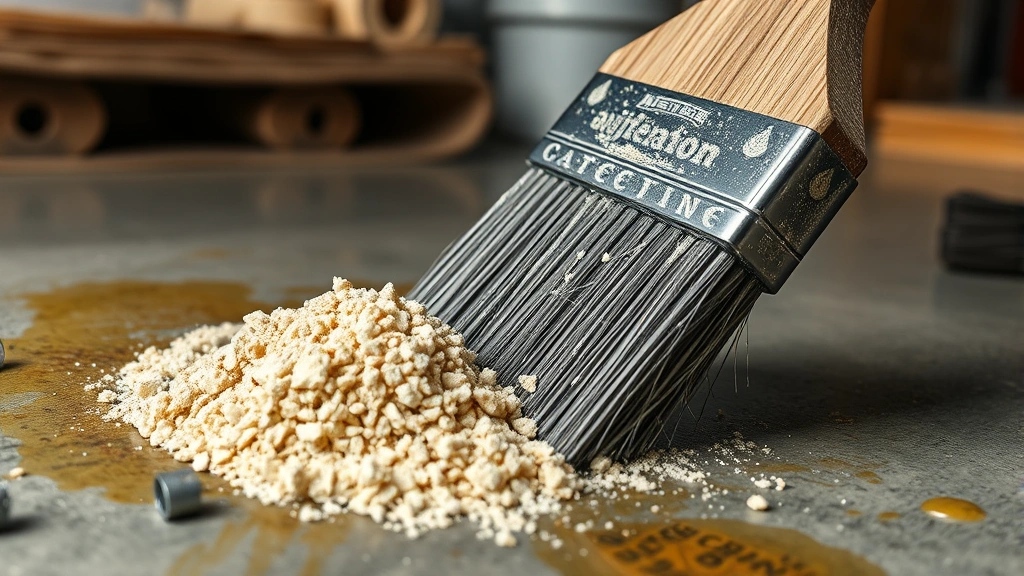
Once contained, apply absorbent materials generously over the entire spill. Cat litter remains the most accessible option—the clay absorbs oil while the granules provide mechanical action as you work them into the stain. Specialized concrete oil absorbents like oil absorbent granules work faster and are more effective than standard cat litter. Spread the material thickly, let it sit for 24-48 hours, then sweep or vacuum it up completely.
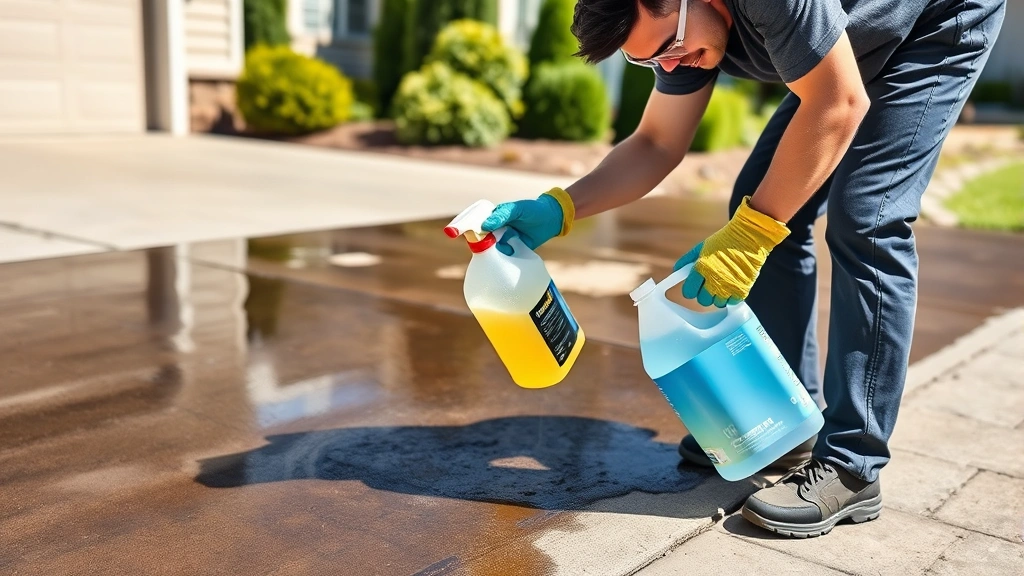
For fresh spills on sealed concrete, follow absorbent treatment with a degreaser spray. Apply the product according to manufacturer instructions, allowing adequate dwell time (usually 10-30 minutes) before scrubbing with a stiff brush. This approach works best when the concrete is still relatively fresh and hasn’t fully cured with oil.
Chemical Cleaners and Degreasers
Commercial degreasers represent the most commonly used professional solution for oil removal from concrete. These products contain surfactants and solvents designed to break down oil’s molecular bonds and allow it to be lifted away from concrete surfaces. The variety of products available ranges from eco-friendly biological solutions to heavy-duty industrial chemicals.
Types of chemical degreasers:
- Alkaline degreasers: Most common and effective for general motor oil removal; work by saponifying oil into water-soluble compounds
- Solvent-based cleaners: Powerful but toxic; use petroleum distillates to dissolve oil directly
- Citrus-based degreasers: Gentler on the environment; use d-limonene extracted from citrus peels
- Enzymatic cleaners: Biological solutions that break down oil gradually; safest for ecosystems
Application method significantly impacts effectiveness. Most degreasers require you to dilute them with water according to label instructions, then apply generously to the stained area. Allow adequate dwell time—usually 15-30 minutes—while keeping the surface wet. Some stubborn stains benefit from light scrubbing with a stiff brush during the dwell period. Pressure washing then removes the loosened oil residue.
For older, deeply penetrated stains, consider applying degreaser and allowing it to sit overnight before scrubbing and rinsing. Multiple applications may be necessary for stains that have been present for months or years. Always follow product safety instructions, wear appropriate protective equipment (gloves and eye protection at minimum), and ensure adequate ventilation when using chemical products.
Absorbent Materials and Poultice Methods
Poultice methods represent a professional technique that draws oil out from deep within concrete’s pores. This approach works particularly well for older stains and complements chemical treatments. A poultice creates a paste that adheres to concrete, allowing extended contact time for oil extraction.
Creating an effective poultice:
- Mix an absorbent powder base (talc, diatomaceous earth, or specialized concrete poultice powder) with a solvent or degreaser to form a thick paste
- Apply the paste generously to the stained area, covering it completely with at least one-quarter inch thickness
- Cover the poultice with plastic sheeting to prevent drying and maintain contact with the concrete
- Allow to cure for 24-48 hours, or longer for extremely stubborn stains
- Remove the dried poultice by sweeping and vacuuming thoroughly
- Repeat if necessary for significant stains
Diatomaceous earth and talcum powder are effective because their fine particle structure creates enormous surface area for oil absorption. When mixed with a degreaser, they form a paste that stays in contact with the concrete throughout the extraction period. This extended contact time allows chemical action to work deeper than surface application alone.
Commercial poultice products specifically designed for concrete oil removal often contain proprietary blends optimized for different oil types. These products typically cost more but deliver superior results due to their engineered formulations. For comparison shopping, check building supply retailers and construction material suppliers for available options.
Pressure Washing and Mechanical Removal
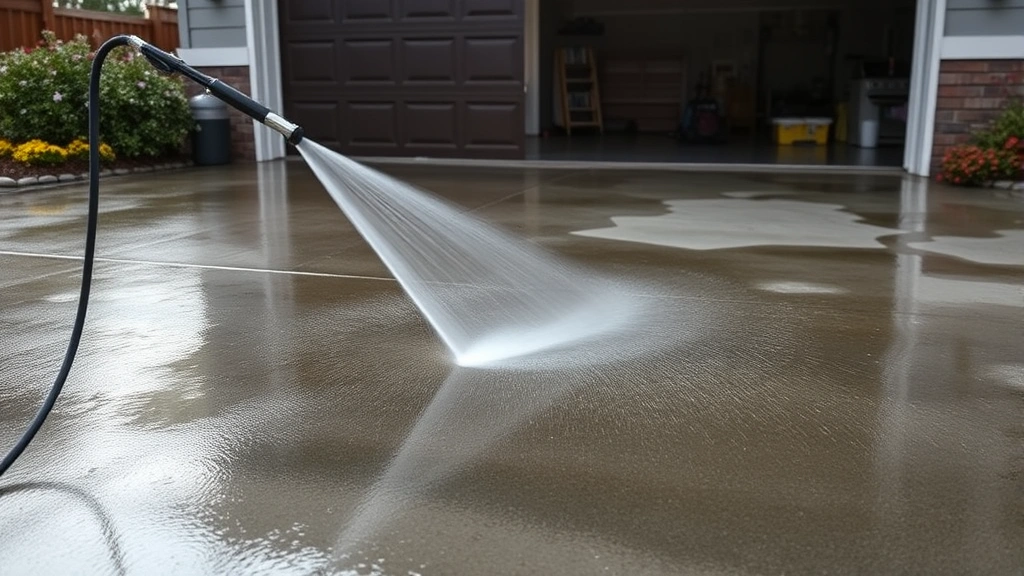
High-pressure washing removes loosened oil residue and helps lift contamination from concrete’s surface after chemical treatment. However, pressure washing alone rarely removes oil stains completely—it works best as a secondary step following chemical or absorbent treatment.
Pressure washing best practices:
- Use a minimum of 3000 PSI for effective oil removal, though 4000+ PSI provides better results
- Maintain 12-18 inches distance from the concrete surface to avoid damage
- Work in overlapping passes to ensure complete coverage
- Angle the nozzle at 45 degrees rather than perpendicular to the surface
- Always apply degreaser before pressure washing for maximum effectiveness
- Allow degreaser adequate dwell time before pressure washing
Pressure washing equipment rental is widely available at home improvement centers if you don’t own a unit. For most homeowners, renting is more economical than purchasing, especially for occasional use. Professional pressure washing services offer another option if the stain covers a large area or requires specialized equipment.
Grinding and scarifying represent more aggressive mechanical approaches for severe stains. These techniques remove the top layer of concrete containing the deepest oil penetration. While effective, they alter the concrete surface and should only be used when other methods fail. Professional concrete contractors have the equipment and expertise for these methods.
Enzymatic and Biological Solutions
Enzymatic cleaners represent an increasingly popular environmentally-friendly approach to concrete oil removal. These products contain naturally-occurring enzymes and microorganisms that literally consume oil, breaking it down into harmless byproducts. They work more slowly than chemical degreasers but are safer for the environment and surrounding landscapes.
Enzyme-based cleaners work by introducing specialized bacteria that metabolize petroleum products as a food source. Once applied, these organisms gradually consume the oil contamination over several days or weeks. This slow, persistent action reaches deep into concrete pores where surface treatments can’t penetrate. Multiple applications enhance results, with each cycle allowing fresh enzymes to access previously unreachable contamination.
Advantages of enzymatic solutions:
- Biodegradable and non-toxic to humans and animals
- Safe for use near landscaping, gardens, and waterways
- Effective on deeply penetrated stains through extended action
- No harsh chemical odors or fumes
- Complies with strict environmental regulations
- Suitable for use in sensitive environmental areas
The primary disadvantage is time—enzymatic solutions require patience and may take 2-4 weeks to show full effectiveness. For homeowners with time flexibility, combining enzymatic treatment with mechanical scrubbing or pressure washing accelerates results. Products like biological remediation solutions have proven effective in independent testing and are recommended by environmental agencies.
Safety Precautions and Environmental Considerations
Proper safety practices protect both your health and the environment when removing oil from concrete. Many commercial degreasers contain toxic compounds that pose inhalation and skin absorption risks, while runoff can contaminate groundwater and harm aquatic ecosystems.
Essential safety measures:
- Always wear nitrile gloves to prevent skin contact with chemicals and contaminated materials
- Use safety glasses to protect eyes from splashes during pressure washing or scrubbing
- Ensure adequate ventilation when using solvent-based products—work outdoors when possible
- Never mix different chemical products, as this can create dangerous reactions
- Read and follow all product label instructions completely
- Dispose of contaminated materials properly according to local regulations
- Never allow cleaning runoff to enter storm drains, as this violates EPA regulations
Environmental responsibility means containing and properly disposing of all oil-contaminated water and materials. Many municipalities have specific requirements for hazardous waste disposal. Contact your local environmental agency or waste management facility to determine proper disposal procedures. Some areas require hiring licensed hazardous waste contractors for significant contamination.
Consider the impact on surrounding landscaping and water sources. Oil spills can damage soil structure, kill vegetation, and contaminate groundwater. Using environmentally-friendly cleaners and containing runoff protects these resources. If your property is near a stream, wetland, or sensitive area, prioritize eco-friendly solutions and professional remediation.
Prevention and Long-Term Protection
Preventing oil stains is far more effective than removing them. Strategic maintenance and protective measures can eliminate most concrete oil problems before they start. This approach aligns with the broader principles of property maintenance planning that homeowners should implement.
Prevention strategies:
- Seal concrete: Apply a quality concrete sealer to create a protective barrier that resists oil penetration. Reapply every 2-3 years for maintained protection
- Regular vehicle maintenance: Keep vehicles properly maintained to prevent leaks before they start. Check fluid levels monthly and address drips immediately
- Drip pans: Place absorbent pans under vehicles during storage to catch minor leaks before they contact concrete
- Parking management: Park vehicles on asphalt or designated areas rather than directly on concrete when possible
- Prompt cleanup: Address fresh spills immediately with absorbent materials—never allow oil to sit
- Equipment maintenance: Keep lawn equipment, generators, and other machinery regularly serviced to prevent leaks
Concrete sealing provides the most effective long-term protection. Quality sealers cost $0.50-$1.50 per square foot and last 2-3 years before requiring reapplication. This investment pays dividends by preventing expensive oil stain removal and extending concrete’s lifespan. Professional sealing services offer better results than DIY approaches, though homeowners can apply sealers themselves with proper technique.
For garages and high-risk areas, consider installing drip containment systems or using removable protective mats under vehicles. These preventative measures cost far less than professional oil stain removal and provide peace of mind regarding accidental spills. When combined with regular maintenance and prompt cleanup protocols, these strategies virtually eliminate oil stain problems.
FAQ
How long does it take to remove an oil stain from concrete?
Timeline varies dramatically based on stain age and removal method. Fresh spills with absorbent treatment can be resolved in 24-48 hours. Chemical degreasers with pressure washing typically require 1-2 applications over 3-7 days. Deeply penetrated stains may require 2-4 weeks of enzymatic treatment or multiple poultice applications. Professional grinding for severe stains takes a single day but is expensive.
Can I use dish soap to clean oil off concrete?
Dish soap is minimally effective on concrete oil stains because the soap-to-water ratio is too low and it lacks the chemical power of commercial degreasers. While dish soap works well on small spills in water, it cannot penetrate concrete’s porous structure effectively. Commercial degreasers are specifically formulated for concrete oil removal and deliver far superior results.
Is vinegar effective for removing oil stains?
Vinegar’s acidity is insufficient to break down oil’s molecular bonds on concrete. While vinegar works well for mineral deposits and light dirt, it cannot dissolve or saponify oil effectively. Vinegar may be useful as a final rinse to remove degreaser residue, but should not be relied upon as a primary oil removal method.
What’s the difference between sealed and unsealed concrete?
Sealed concrete has a protective coating that resists oil penetration, keeping stains primarily on the surface where they’re easier to remove. Unsealed concrete’s pores remain open, allowing rapid oil absorption into deeper layers. Sealed concrete stains typically respond to surface treatment within 1-2 days, while unsealed concrete stains may require weeks of treatment to reach deep contamination.
Can old oil stains be completely removed?
Most old stains can be significantly lightened or completely removed with persistent treatment, though extremely old stains (years-old) in unsealed concrete may leave faint discoloration. The concrete itself may be permanently darkened where oil deeply penetrated, even after removing the bulk of contamination. In these cases, sealing the concrete provides a uniform appearance.
Should I hire a professional for oil stain removal?
Professional removal is worthwhile for large stains, high-visibility areas, or if DIY attempts fail. Professional contractors have industrial-grade equipment, specialized knowledge of treatment combinations, and access to commercial-strength products unavailable to homeowners. For small, fresh spills, DIY methods are usually sufficient and cost-effective.
What’s the most environmentally friendly oil removal method?
Enzymatic and biological solutions represent the most environmentally responsible approach. These products use naturally-occurring microorganisms to consume oil without toxic chemicals. Proper containment of all runoff—regardless of cleaning method—prevents environmental contamination. Avoiding storm drain discharge is essential for protecting water quality.
How do I prevent future oil stains?
Concrete sealing provides the most effective prevention, creating a protective barrier against oil penetration. Combine sealing with regular vehicle maintenance, prompt cleanup of fresh spills, and using drip pans under equipment. These layered prevention strategies virtually eliminate concrete oil staining problems while being far more cost-effective than removal.


