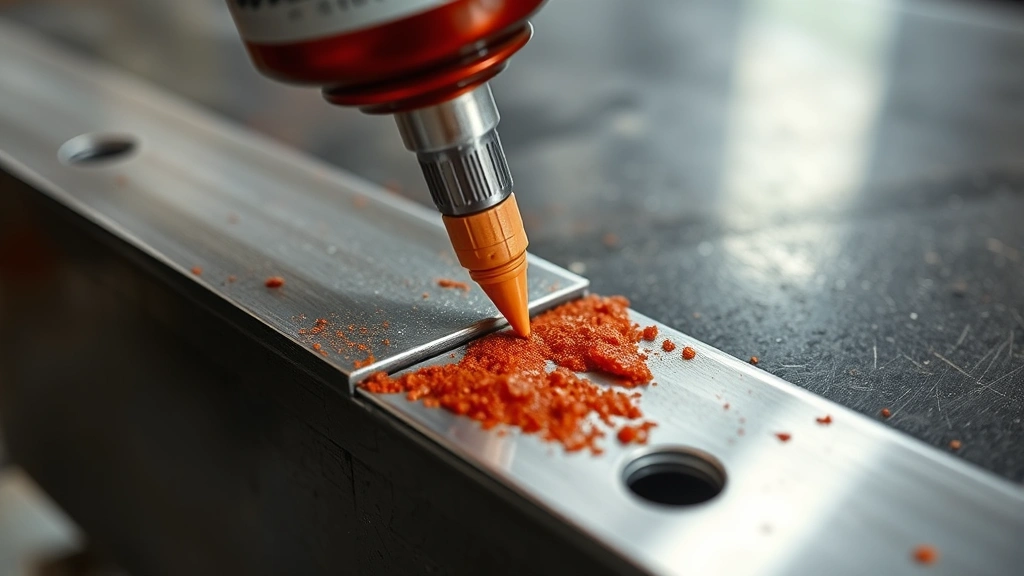
JB Weld Drying Time: Expert Tips for Best Results
JB Weld is one of the most versatile epoxy adhesives available for DIY enthusiasts and professionals alike. Whether you’re repairing a cracked engine block, fixing metal furniture, or bonding broken tools, understanding how long JB Weld takes to dry is critical for project success. The drying time directly impacts your workflow, determines when you can apply stress to the repair, and ultimately affects the strength and longevity of your fix.
Many DIYers make the mistake of assuming all JB Weld products dry at the same rate or that ambient conditions don’t matter. In reality, temperature, humidity, surface preparation, and the specific JB Weld formulation you’re using all play significant roles in curing time. This comprehensive guide breaks down everything you need to know about JB Weld drying times, optimal application conditions, and professional techniques to ensure your repairs last for years.
Understanding JB Weld Curing vs. Drying
Before diving into specific timelines, it’s important to distinguish between drying time and curing time—two terms often used interchangeably but with different meanings. Drying time refers to when the JB Weld becomes hard enough to handle or machine without disturbing the bond. Curing time, however, is when the adhesive reaches its maximum strength and hardness.
JB Weld is a two-part epoxy that works through a chemical reaction between the resin and hardener. When you mix these components, the cure process begins immediately. The epoxy will feel tacky or putty-like at first, gradually harden over hours, and eventually reach full strength after a complete cure cycle. Understanding this distinction helps you plan your project timeline more accurately and avoid premature stress on your repair.
The distinction matters because applying stress too early—even during the drying phase—can compromise the final bond strength. Many repairs fail not because JB Weld is inferior, but because users didn’t wait long enough for complete curing before putting load on the joint.
Standard JB Weld Drying Times by Product Type
JB Weld manufactures several product lines, each with different drying and curing characteristics. Here’s a breakdown of the most common formulations:
- Original JB Weld (Red & Hardener): Sets in 4-6 hours at room temperature and reaches full strength in 15-24 hours. This is the most common version and works on virtually any surface.
- JB Weld Steel Reinforced: Contains steel particles for added strength. Sets in 4-6 hours with full cure in 15-24 hours, similar to original.
- JB Weld Fast Setting: Designed for quick repairs, this version sets in just 4-8 minutes and hardens in 30 minutes, though full strength takes 4-6 hours.
- JB Weld PlasticWeld: Specifically formulated for plastic surfaces, sets in 15-25 minutes with full cure in 4-6 hours.
- JB Weld SteelStik: A putty stick form that sets in 30 minutes and cures fully in 24 hours.
- JB Weld ColdWeld: Hardens without heat, sets in 10-15 minutes with full strength in 24 hours.
The product you choose depends on your specific application. For basement repairs and structural applications, the standard formula offers the best strength-to-drying-time ratio. For quick emergency fixes, the fast-setting variant saves valuable time.
Factors That Affect Drying Time
Multiple variables influence how quickly your JB Weld reaches usable and full-cure states. These factors can either accelerate or significantly delay your project:
- Ambient Temperature: This is the single most important factor. JB Weld cures through a chemical exothermic reaction, meaning it generates heat as it hardens. Cold temperatures slow this process dramatically.
- Humidity Levels: Moisture in the air can interact with the epoxy, affecting cure rates and final bond quality.
- Surface Material: Porous surfaces like wood or concrete absorb moisture from the epoxy, potentially slowing cure. Non-porous metals cure more predictably.
- Epoxy Thickness: Thick applications cure slower than thin ones because heat dissipates more slowly through larger masses.
- Surface Cleanliness: Oil, dust, or corrosion on bonding surfaces can create barriers that slow epoxy penetration and cure.
- Mixing Ratio Accuracy: Incorrect ratios of resin to hardener disrupt the chemical reaction, extending cure times.
- Clamping Pressure: Proper clamping helps the epoxy cure more uniformly and often faster than loose applications.
Professional contractors understand that managing these factors separates successful repairs from failed ones. When you’re learning how to handle materials properly in DIY projects, paying attention to these details makes a tremendous difference.
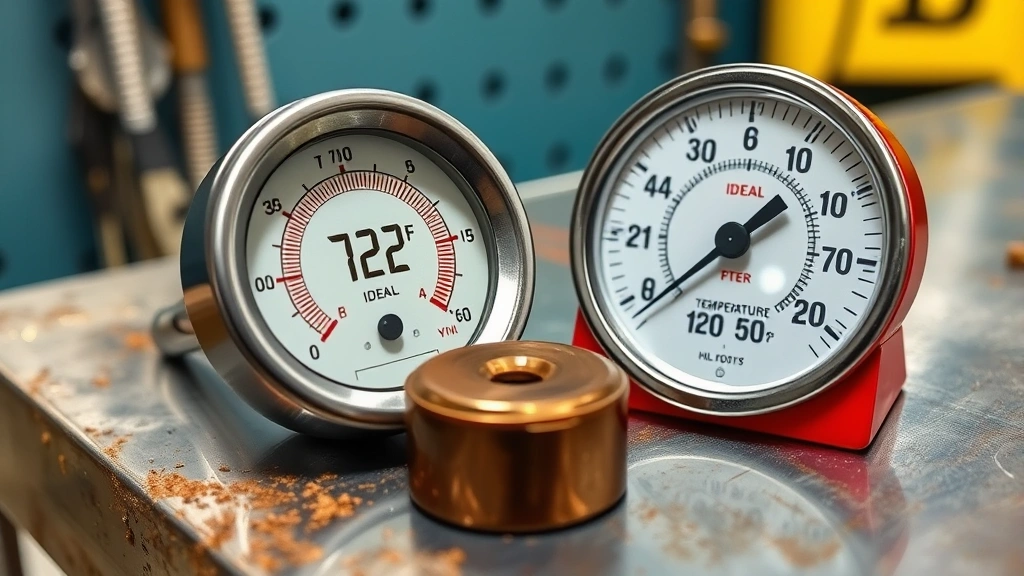
Temperature and Humidity Impact
Temperature control is perhaps the most critical factor in optimizing JB Weld drying time. The product is formulated to cure fastest at room temperature (around 70-75°F or 21-24°C). For every 10-degree drop in temperature, the curing process can slow by 50% or more.
In cold conditions below 50°F (10°C), JB Weld can take 48+ hours to reach workable hardness and several days to fully cure. This is why winter repairs require special planning. If you’re working in cold weather, consider:
- Moving the repair indoors to a heated space if possible
- Using heat lamps or heating pads to warm the repair area
- Applying insulation around the curing epoxy to retain generated heat
- Switching to fast-setting formulas that generate more exothermic heat
Conversely, high temperatures above 90°F (32°C) can cause the epoxy to cure too quickly, potentially trapping air bubbles or creating weak spots. Extremely hot conditions may also cause the epoxy to become too runny before it sets.
Humidity presents its own challenges. High humidity (above 85%) can introduce moisture into the curing process, creating weak spots and potentially causing the epoxy to remain tacky longer than normal. Ideal conditions are 40-60% relative humidity. If you’re working in a humid environment:
- Use a dehumidifier in your work area
- Allow extra time for full cure before stress-testing
- Consider using a moisture-resistant JB Weld formula
- Keep the repair away from direct water exposure during curing
Understanding these environmental factors helps you set realistic expectations for your project timeline and troubleshoot problems if curing seems delayed.
Surface Preparation for Faster Curing
One of the most overlooked aspects of using JB Weld effectively is proper surface preparation. The cleanliness and texture of your bonding surfaces directly impact both cure time and final bond strength.
Before applying JB Weld, thoroughly clean all surfaces with:
- Wire brushes or steel wool: Remove corrosion, rust, and loose paint. This also roughens the surface, creating better mechanical bonding.
- Degreaser or solvent: Remove oil, grease, and silicone residue that can prevent epoxy adhesion.
- Compressed air: Blow away dust and debris after brushing and cleaning.
- Lint-free cloth: Wipe surfaces dry after using solvents.
Clean surfaces allow the epoxy to make better contact with the base material, which actually speeds up the cure process and creates a stronger bond. Dirty surfaces create air pockets and weak spots that may never fully cure.
For metal surfaces, slightly roughening with sandpaper (80-120 grit) creates an ideal texture for epoxy adhesion. This mechanical keying helps the epoxy lock into place and cure more uniformly. On plastic surfaces, use gentler abrasion to avoid creating stress points.
Temperature control during prep work also matters. If you’re cleaning with solvents in cold weather, allow extra time for surfaces to dry completely before applying epoxy. Any residual moisture can interfere with curing.
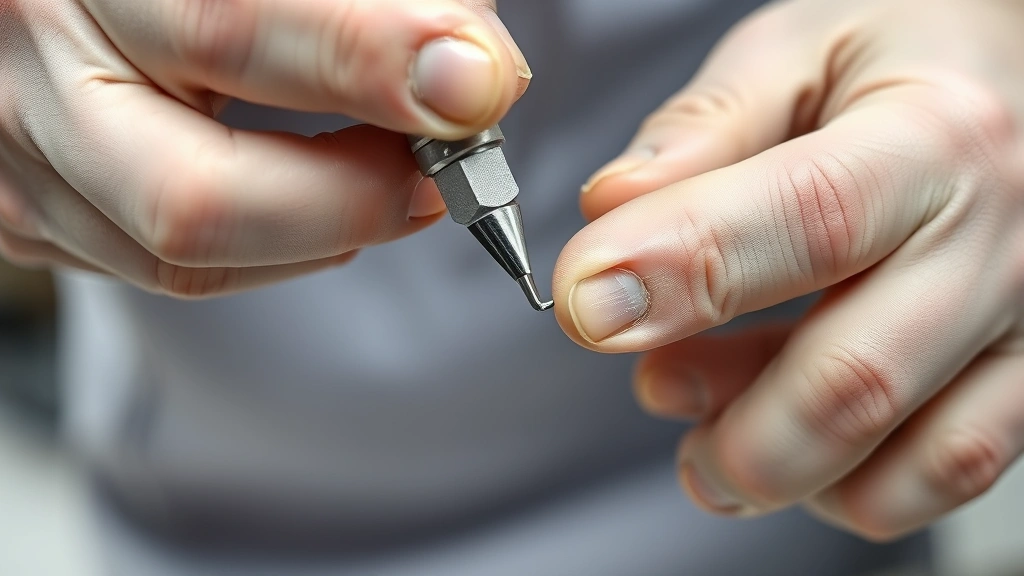
Application Techniques to Optimize Drying
How you apply JB Weld significantly affects both drying time and final strength. Follow these professional techniques:
- Mix thoroughly: Spend at least 2-3 minutes mixing the resin and hardener completely. Incomplete mixing creates areas with improper ratios that won’t cure properly or will cure at different rates.
- Use appropriate amounts: Don’t skimp on epoxy, but don’t over-apply either. A thin, consistent layer bonds better and cures faster than a thick glob.
- Apply to both surfaces: Spread JB Weld on both surfaces being bonded, not just one. This ensures complete coverage and faster, more uniform curing.
- Clamp or support firmly: Hold pieces together under moderate pressure while the epoxy sets. This keeps surfaces in perfect contact and accelerates cure.
- Avoid movement: Don’t wiggle or adjust the repair while it’s curing. Movement disrupts the chemical reaction and extends cure time.
- Work quickly: Once mixed, JB Weld has a limited pot life (typically 10-15 minutes for standard formula). Work efficiently to apply it before it becomes unworkable.
These techniques apply whether you’re doing a quick home security system repair or a critical structural fix. Proper application is the foundation of successful epoxy bonding.
Common Mistakes That Slow Drying
Understanding what NOT to do is equally important as knowing what to do. These common mistakes can significantly delay drying time or result in failed cures:
- Incorrect mixing ratio: Using too much hardener or too little creates an imbalanced chemical reaction. This is one of the most common causes of slow or incomplete curing.
- Applying in cold conditions without compensation: Simply applying JB Weld in a cold garage and expecting standard cure times is unrealistic. Plan for extended timelines or provide supplemental heat.
- Over-clamping: While some pressure is good, excessive clamping force can squeeze out too much epoxy, leaving a starved joint that won’t cure properly.
- Contaminated surfaces: Even small amounts of oil or silicone create a barrier that prevents proper epoxy contact and curing.
- Disturbing the repair during curing: Moving, vibrating, or applying stress during the curing window can break chemical bonds as they form.
- Applying additional coats too quickly: If you need multiple layers, wait until each layer has properly cured before adding the next.
- Expecting instant results: Even fast-setting formulas need time to reach full strength. Impatience is a common cause of repair failure.
Learning from these mistakes helps you avoid wasting materials and creating repairs that fail under stress.
Testing for Full Cure
Determining when your JB Weld repair is truly ready for use requires more than just guessing based on time. Use these methods to verify full cure:
- Visual inspection: Fully cured JB Weld is hard, shiny, and uniform in color. Dull or tacky spots indicate incomplete cure.
- Scratch test: Gently attempt to scratch the cured epoxy with a fingernail or tool. Fully cured epoxy resists scratching; soft spots indicate incomplete cure.
- Flex test: For flexible bonds, gently flex the joint. Movement or flexing indicates the cure isn’t complete.
- Temperature test: The repair should feel cool to the touch when fully cured. Warmth indicates ongoing curing.
- Hardness test: Compare the cured epoxy’s hardness to a known fully-cured sample. They should feel identical.
For critical repairs, always err on the side of caution and wait the full recommended cure time before applying stress. This is especially important for structural repairs, automotive applications, or any situation where failure could cause injury or significant damage.
When working on flooring installation and similar projects, understanding material cure times prevents costly mistakes and ensures longevity.
FAQ
How long does JB Weld take to dry at room temperature?
Standard JB Weld sets in 4-6 hours at room temperature (70-75°F) and reaches full strength in 15-24 hours. Fast-setting variants are ready in 4-8 minutes with full cure in 4-6 hours.
Can you speed up JB Weld drying time?
Yes, you can accelerate drying by applying heat (using heat lamps or keeping the area warm), using fast-setting formulas, ensuring proper surface preparation, and maintaining ideal temperature and humidity conditions. However, rushing the process risks compromising bond strength.
What happens if you apply stress to JB Weld before it’s fully cured?
Applying stress during the curing process can break forming chemical bonds, resulting in a weak repair that fails under load. Always wait for the full recommended cure time before stressing the joint.
Does JB Weld work in cold weather?
JB Weld works in cold weather, but curing takes significantly longer—potentially 48+ hours below 50°F. Provide supplemental heat, use fast-setting formulas, or move the repair indoors if possible for faster cure times.
Is there a JB Weld product that dries the fastest?
JB Weld Fast Setting and JB Weld PlasticWeld are the fastest-drying options, setting in minutes rather than hours. However, they may not be suitable for all applications, so check compatibility with your specific repair.
How do you know when JB Weld is fully cured?
Fully cured JB Weld is hard, shiny, and resists scratching. It should feel cool to the touch and show no tackiness. When in doubt, wait the full recommended cure time before applying stress.
Can humidity affect JB Weld curing?
Yes, high humidity (above 85%) can slow curing and potentially create weak spots. Ideal conditions are 40-60% relative humidity. Use a dehumidifier if working in humid environments.
What’s the difference between JB Weld and other epoxies?
JB Weld is known for extreme strength and versatility across materials. Its cure times are relatively standard compared to other two-part epoxies, and it offers specialized formulas for specific applications like plastic or metal bonding. Check JB Weld’s official specifications for detailed comparison data.


