
When to Change Air Filter? Mechanic’s Advice on Engine Air Filter Replacement
Your vehicle’s engine air filter is one of the most critical maintenance components that directly impacts performance, fuel efficiency, and engine longevity. Many vehicle owners overlook this simple yet essential task, leading to reduced power output, increased emissions, and potentially costly engine damage. Understanding how often to replace engine air filter can save you thousands in repairs and keep your vehicle running smoothly for years to come.
As a seasoned mechanic, I’ve seen countless engines suffer premature wear because owners neglected regular air filter changes. The good news? This is one of the easiest and most affordable maintenance tasks you can perform yourself. Whether you’re a DIY enthusiast or simply want to understand what your mechanic recommends, this comprehensive guide will walk you through everything you need to know about air filter maintenance, signs of a dirty filter, and best practices for replacement.
Air filters protect your engine from dust, pollen, debris, and contaminants that can cause significant damage over time. When your filter becomes clogged, your engine compensates by running rich (burning more fuel), which reduces efficiency and increases harmful emissions. By staying on top of this maintenance, you’re not just protecting your investment—you’re also contributing to better air quality and improved fuel economy.
How Often Should You Change Your Engine Air Filter?
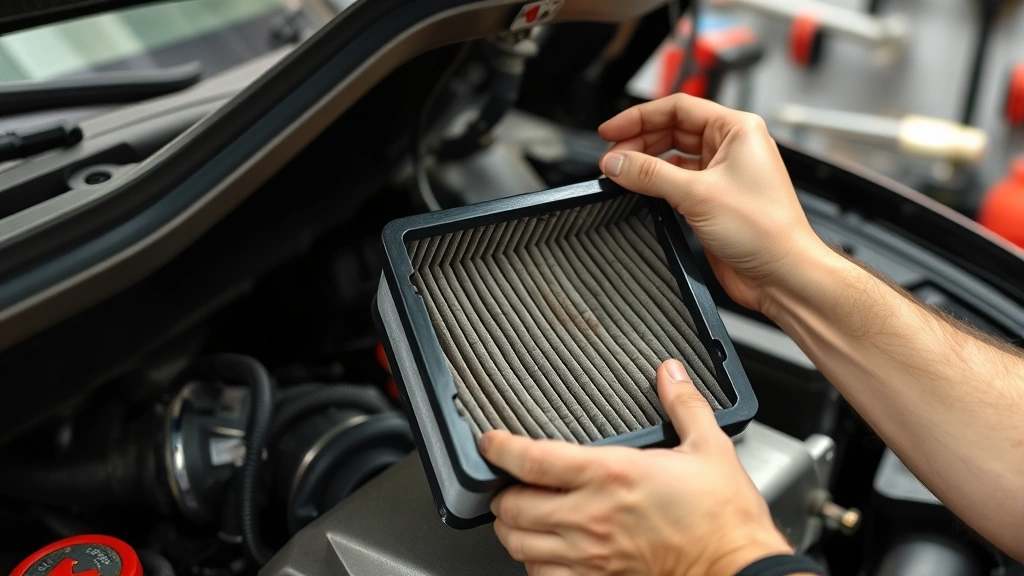
The standard recommendation from most manufacturers is to replace your engine air filter every 12,000 to 15,000 miles or annually, whichever comes first. However, this guideline varies depending on your vehicle’s make and model, driving conditions, and the type of filter installed. Always consult your owner’s manual for specific recommendations, as some modern vehicles with premium filters may extend this interval to 20,000 or even 30,000 miles.
For vehicles operating in severe conditions—such as dusty environments, heavily polluted urban areas, or regions with high pollen counts—more frequent changes every 5,000 to 10,000 miles are advisable. I’ve serviced vehicles in construction zones where filters became saturated within just 3,000 miles. The investment in more frequent changes is minimal compared to potential engine damage.
Your vehicle’s onboard diagnostic system may also alert you when it’s time for service. Modern cars often display maintenance reminders on the dashboard. Don’t ignore these notifications—they’re programmed based on driving patterns and vehicle performance data. If you’re unsure about your specific vehicle’s requirements, visit your local dealership or check the manufacturer’s website for authoritative guidance.
According to the Society of Automotive Engineers (SAE), regular air filter maintenance is crucial for optimal engine performance and emissions control compliance. They recommend checking your filter monthly and replacing it as needed, not just on a fixed schedule.
Signs Your Air Filter Needs Replacement
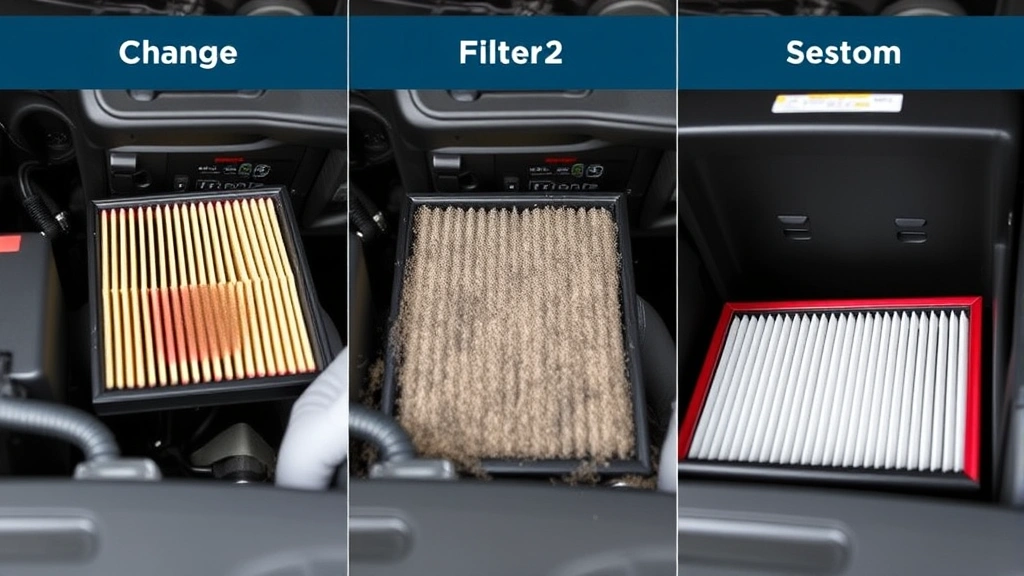
Rather than relying solely on mileage intervals, learning to recognize the visual and performance signs of a dirty air filter is invaluable. A visual inspection takes just minutes and can prevent unnecessary premature replacements or, conversely, catch problems before they escalate. Here are the key indicators that replacement is overdue:
- Visible dirt and debris: When you remove the filter, if it appears caked with dirt, dust, or debris, it’s definitely time for replacement. A clean filter should appear relatively white or light-colored depending on the material.
- Reduced engine performance: If your vehicle feels sluggish, hesitates during acceleration, or lacks its usual power, a clogged filter might be restricting airflow to the engine.
- Decreased fuel economy: Monitor your miles per gallon. A sudden drop in fuel efficiency often indicates your engine is working harder due to restricted air intake.
- Check engine light: While multiple issues can trigger this warning, a severely clogged filter can cause it to illuminate due to improper air-fuel mixture ratios.
- Unusual engine sounds: A struggling engine may produce coughing or sputtering noises when accelerating if air intake is compromised.
- Black smoke from exhaust: Excessive fuel combustion from a rich-running engine can produce visible dark exhaust smoke.
I recommend physically inspecting your air filter every time you get an oil change. This simple habit costs nothing and provides peace of mind. Many service facilities will show you the filter during maintenance—don’t hesitate to ask to see it yourself.
Factors That Affect Air Filter Lifespan
Understanding what impacts your filter’s lifespan helps you make informed replacement decisions. Environmental and driving factors play significant roles in how quickly your filter becomes saturated:
Driving Environment: Urban driving through congested traffic exposes filters to more pollution than highway driving. Dusty roads, construction zones, and agricultural areas dramatically reduce filter life. If you frequently drive on unpaved roads or in desert climates, expect to replace your filter more often.
Climate Conditions: Regions with high pollen counts require more frequent changes during peak seasons. Areas with significant air pollution also necessitate more regular maintenance. Humidity can affect filter degradation rates as well.
When you’re planning your home maintenance schedule, consider how your driving habits compare to these factors. Just as you might need to change pillows more frequently based on usage patterns, air filters follow similar logic based on environmental exposure.
Vehicle Age and Type: Older vehicles may have less efficient filtration systems and could benefit from more frequent changes. High-performance vehicles or those with turbocharged engines often require premium filters and potentially more frequent replacement.
Filter Quality: Premium OEM (Original Equipment Manufacturer) filters and high-quality aftermarket options last longer than budget alternatives. While cheaper filters save money upfront, they often clog faster and may not protect your engine as effectively.
Driving Habits: Aggressive acceleration and high-RPM driving can increase air intake demands, causing filters to clog faster. Conversely, highway cruising at steady speeds is gentler on filters.
Step-by-Step DIY Air Filter Replacement
Replacing your engine air filter is one of the most accessible DIY maintenance tasks. With basic tools and thirty minutes, you can complete this job yourself and save on labor costs. Here’s how:
Tools and Materials Needed:
- New engine air filter (correct size for your vehicle)
- Screwdriver (Phillips and/or flathead, depending on your vehicle)
- Socket set or wrench (if needed for your specific model)
- Clean cloth or shop towel
- Work gloves
- Owner’s manual or online service guide
Replacement Steps:
- Locate the air filter housing: Consult your owner’s manual to find the air intake box, typically located near the engine’s top. In most vehicles, it’s a large plastic container with visible hoses connecting to the engine and air intake.
- Prepare your workspace: Ensure the engine is cool and you have adequate lighting. Wear gloves to protect your hands from accumulated dust.
- Remove the housing cover: Depending on your vehicle, this might involve removing clips, bolts, or a combination of fasteners. Keep these in a small container so you don’t lose them. Take a photo with your phone before disassembly—it helps during reassembly.
- Inspect the housing: While the cover is off, examine the inside of the air box. If you see excessive dirt or debris, gently wipe it clean with a dry cloth. Don’t use compressed air, as this can push particles deeper into the system.
- Remove the old filter: Carefully lift out the dirty filter. Note its orientation—the new filter must be installed the same way. Some filters have arrows indicating airflow direction.
- Compare with the new filter: Before installing the replacement, verify it matches your old filter’s size and shape. A mismatch could allow unfiltered air to bypass the filter.
- Install the new filter: Position the new filter in the housing, ensuring it seats properly and aligns with the box edges. The filter should fit snugly without forcing.
- Reinstall the housing cover: Replace all fasteners securely. Don’t overtighten clips or bolts—this can crack plastic components.
- Final check: Ensure the cover is completely seated and all connections are secure before starting your engine.
For detailed visual instructions specific to your vehicle model, consult the International Automotive Technicians Network (IATN) or your manufacturer’s service manual. Many dealerships provide free instructional videos on their websites.
Types of Engine Air Filters
Understanding different filter types helps you choose the best option for your needs and driving conditions. Each type offers distinct advantages:
Paper Filters: The most common and affordable option, paper filters use pleated cellulose material to trap particles. They’re disposable, effective for normal driving conditions, and typically cost $15-40. Paper filters cannot be cleaned and must be replaced rather than serviced.
Foam Filters: Often used in motorcycles and ATVs, foam filters can be cleaned and reused multiple times, making them economical long-term. They’re more durable in harsh conditions but may require more frequent maintenance than paper alternatives.
Gauze/Cotton Filters: High-performance aftermarket options like K&N filters use layered gauze and cotton material. These are reusable, washable, and designed for increased airflow, benefiting performance enthusiasts. They cost more ($40-80) but can last the vehicle’s lifetime with proper maintenance. Check that any performance filter meets your vehicle’s air intake specifications.
Electrostatic Filters: These use static electricity to attract particles, offering superior filtration and reusability. They’re premium options costing $50-100 but provide excellent long-term value.
Your vehicle’s make and model typically determines compatible filter types. Always verify compatibility before purchasing. When upgrading to a performance filter, ensure it won’t negatively impact fuel economy or engine warranty.
Cost Considerations and Budget Tips
Air filter replacement is one of the most budget-friendly maintenance items you’ll encounter. However, costs vary based on filter type and where you purchase:
Filter Costs: Standard OEM paper filters range from $15-40, while premium aftermarket options run $40-100. Labor costs at dealerships typically add $50-100 to the parts cost, making professional service $65-140 total. DIY replacement eliminates labor costs entirely.
Money-Saving Strategies:
- Purchase filters online from reputable retailers—often $5-15 cheaper than local auto parts stores
- Buy in bulk if you own multiple vehicles
- Consider reusable filters that pay for themselves over time through avoided replacement costs
- Perform replacement yourself rather than paying shop labor
- Check manufacturer websites for promotional discounts or coupons
When budgeting for vehicle maintenance, allocate approximately $30-50 annually for air filter replacement. This investment protects your engine and maintains fuel efficiency, easily paying for itself through improved gas mileage.
Maintenance Schedule Best Practices
Developing a consistent maintenance routine ensures you never neglect your air filter. Just as you would maintain other aspects of your home, like implementing comprehensive home security systems or following proper maintenance schedules for household items, your vehicle deserves systematic care.
Create a Maintenance Log: Record every air filter replacement with the date, mileage, and filter type used. This documentation proves valuable for resale and warranty purposes. Many vehicle owners use smartphone reminder apps to alert them before scheduled maintenance is due.
Link to Your Oil Changes: Schedule air filter inspections during regular oil changes. Since you’re already in maintenance mode, checking the filter simultaneously ensures nothing slips through the cracks. Many service facilities will remind you about air filter status during oil service.
Seasonal Considerations: If you live in high-pollen regions, plan for more frequent changes during spring and fall. Winter driving in snowy, salty conditions may also require more frequent filter changes due to increased air intake demands.
Monitor Performance Indicators: Pay attention to fuel economy trends and engine responsiveness. Sudden changes often signal maintenance needs before mileage intervals suggest replacement.
According to the National Highway Traffic Safety Administration (NHTSA), proper vehicle maintenance, including regular air filter replacement, significantly contributes to fuel efficiency and emissions reduction. Their guidelines recommend following manufacturer specifications precisely.
When you’re managing your overall home and vehicle maintenance, visit the DIY Nests Hub Blog for additional maintenance and home improvement guidance. We cover everything from automotive care to DIY basement finishing and house painting techniques.
FAQ
How do I know if my air filter needs replacing without removing it?
Visual inspection requires removal, but you can notice performance changes: reduced acceleration, decreased fuel economy, check engine light, or engine hesitation. These signs suggest inspection is warranted. Some mechanics offer free filter inspections—take advantage of this service.
Can I clean my air filter instead of replacing it?
Only reusable filters (foam, gauze, or electrostatic) can be cleaned and reused. Disposable paper filters should never be cleaned—the process damages the filtration media and reduces effectiveness. If you have a reusable filter, follow manufacturer cleaning instructions precisely.
What happens if I don’t change my air filter?
Neglecting replacement leads to restricted airflow, forcing your engine to run rich and consume more fuel. Over time, unfiltered particles damage engine components, reducing performance and lifespan. Severe neglect can cause engine failure requiring thousands in repairs.
Is a more expensive air filter worth it?
Premium filters often last longer and filter more effectively than budget options. If you drive in harsh conditions, the extra cost ($20-40 more) typically provides better value through extended lifespan and superior protection. For normal driving, standard filters are usually sufficient.
Can I drive with a dirty air filter?
While you can technically drive with a clogged filter, it’s not recommended. Your engine compensates through increased fuel consumption and reduced performance. Continued operation with a severely dirty filter risks engine damage. Replace it promptly once you notice signs of clogging.
How long does air filter replacement take at a shop?
Professional replacement typically takes 15-30 minutes, plus waiting time. Labor costs range from $50-100 depending on location and facility. DIY replacement takes about 20-30 minutes once you’re familiar with the process.
Are OEM filters better than aftermarket options?
OEM filters are designed specifically for your vehicle and meet manufacturer specifications. Quality aftermarket filters perform similarly at lower costs. Budget aftermarket filters may be inferior—stick with reputable brands. Always verify compatibility before purchasing any aftermarket filter.
Does a clogged air filter affect emissions?
Yes, significantly. A dirty filter causes rich fuel mixture combustion, increasing harmful emissions including carbon monoxide and hydrocarbons. This can cause your vehicle to fail emissions testing. Regular filter replacement helps maintain compliance with environmental standards.


