How to Clean a Plastic Shower Curtain: Expert Tips for a Spotless Bathroom
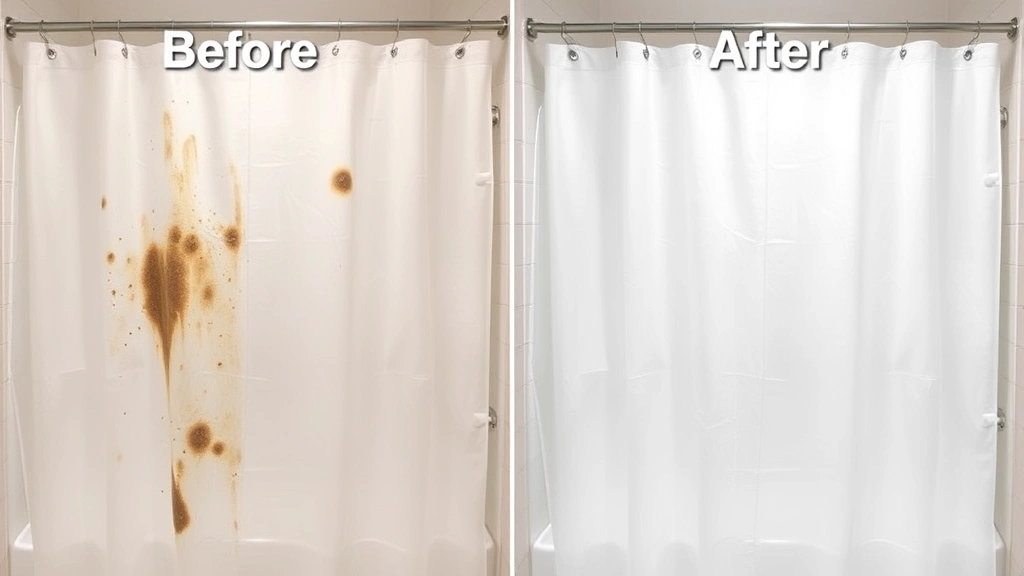
A plastic shower curtain is one of the most practical and affordable ways to protect your bathroom from water damage, but it’s also one of the most overlooked surfaces when it comes to regular cleaning. Over time, plastic curtains accumulate soap scum, mildew, hard water stains, and general grime that can make your entire bathroom look dingy. The good news is that cleaning a plastic shower curtain doesn’t require expensive commercial products or professional services—most households already have the necessary cleaning supplies.
Whether you’re dealing with stubborn mold spots, soap buildup, or just want to refresh your curtain’s appearance, this comprehensive guide will walk you through proven methods to restore your plastic shower curtain to like-new condition. We’ll cover everything from preventative maintenance to deep-cleaning techniques, so you can choose the approach that works best for your situation and schedule.
Why Regular Cleaning Matters for Your Bathroom
Plastic shower curtains create a warm, moist environment that’s ideal for mold and mildew growth. These microorganisms not only look unsightly but can also pose health risks, particularly for individuals with respiratory conditions or compromised immune systems. Beyond health concerns, a dirty shower curtain detracts from your bathroom’s overall appearance and can make even a freshly cleaned bathroom look neglected.
Regular cleaning extends the lifespan of your plastic curtain, preventing the need for premature replacement. Additionally, maintaining a clean shower curtain is part of comprehensive home improvement and maintenance practices that keep your entire living space hygienic and welcoming. Most plastic shower curtains are inexpensive, but replacing them frequently adds unnecessary expense when simple cleaning can keep them looking new for years.
Essential Supplies for Cleaning Plastic Shower Curtains
Before you begin cleaning, gather these common household items that are highly effective at removing dirt, mold, and soap scum:
- White vinegar: A natural acid that dissolves mineral deposits and kills mold spores
- Baking soda: A mild abrasive that scrubs away stubborn stains without scratching plastic
- Liquid laundry detergent: Designed to break down soap and body oils
- Dish soap: Cuts through grease and soap buildup effectively
- Hydrogen peroxide: A natural bleaching agent that eliminates mold and mildew
- Soft-bristled brush or sponge: Prevents damage while providing scrubbing power
- Microfiber cloths: Excellent for wiping and drying without leaving lint
- Spray bottle: For applying solutions evenly
- Rubber gloves: Protects your hands during cleaning
You may also want to keep a squeegee handy to remove excess water after each shower, which is one of the most effective preventative measures for maintaining a clean curtain.
The Washing Machine Method: Easy and Effective
The easiest way to clean most plastic shower curtains is in your washing machine. This method is particularly effective for curtains that are heavily soiled or have significant mold growth, and it requires minimal physical effort on your part.
Step-by-step washing machine cleaning:
- Remove the shower curtain from the rings or hooks and check the manufacturer’s label for care instructions
- Inspect the curtain for any damage that might worsen during washing
- Place the curtain in your washing machine along with 2-3 bath towels (the towels provide cushioning and help agitate the curtain)
- Add one cup of white vinegar to the rinse cycle—this prevents mildew and removes soap residue
- Use warm water on a gentle or delicate cycle to avoid damaging the plastic
- Do NOT use bleach, which can degrade plastic over time
- After washing, remove the curtain immediately to prevent mildew from developing during drying
- Hang the curtain back on the rod and allow it to air dry completely before closing it
For particularly stubborn mold or mildew, add one-half cup of baking soda along with the vinegar. The combination creates a more powerful cleaning action while remaining safe for plastic materials. If your washing machine has a sanitize cycle, you can use that setting for maximum antimicrobial benefits.
Hand Cleaning Techniques for Targeted Results
If you prefer not to use your washing machine or need to clean specific areas of your curtain, hand cleaning is a straightforward alternative that gives you more control over the process.
Basic hand cleaning method:
- Fill your bathtub with warm water and add one cup of white vinegar plus one-quarter cup of liquid laundry detergent
- Submerge the shower curtain in the solution and let it soak for 30-60 minutes
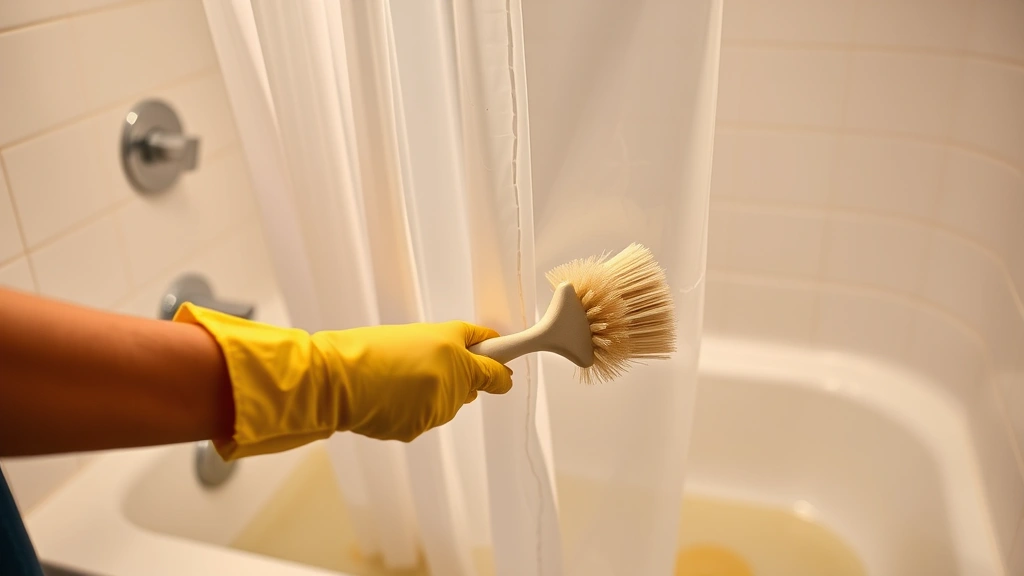
- Use a soft-bristled brush or sponge to gently scrub both sides of the curtain, paying special attention to areas with visible stains or mold
- For mildew spots, create a paste of baking soda and water and apply directly to the affected areas
- Rinse thoroughly under running water until all soap and vinegar residue is removed
- Hang the curtain to air dry completely
This method works well for regular maintenance cleaning and prevents the need for deep cleaning later. Many people find that doing a hand cleaning every two to three weeks keeps their shower curtain looking fresh throughout the year.
Removing Stubborn Stains and Persistent Mold
Some stains and mold spots resist standard cleaning methods and require more aggressive treatment. These specialized techniques target the most difficult cleaning challenges without damaging your plastic curtain.
Hydrogen peroxide treatment for mold: Mix equal parts hydrogen peroxide and water in a spray bottle. Spray the affected areas and let the solution sit for 10-15 minutes. Scrub gently with a soft brush and rinse thoroughly. This method is particularly effective because hydrogen peroxide breaks down mold at the cellular level while being safer than chlorine bleach.
Vinegar and baking soda paste: Combine white vinegar and baking soda to create a thick paste. Apply this directly to stubborn stains and mold spots. Let it sit for 15-20 minutes, then scrub with a soft brush. The mild acidity of vinegar combined with the abrasive properties of baking soda tackles even the toughest buildup. This approach is similar to techniques used in comprehensive furniture cleaning processes where gentle but effective abrasion is required.
Tea tree oil solution: Add 10-15 drops of tea tree oil to a spray bottle filled with water. This natural antifungal agent is particularly effective against mold and mildew. Spray the curtain and let it sit for several hours or overnight before rinsing. The antimicrobial properties of tea tree oil prevent mold from returning as quickly as other methods.
Rubbing alcohol for soap scum: Mix one part rubbing alcohol with three parts water. This solution cuts through stubborn soap scum and mineral deposits without the strong smell of vinegar. Spray on affected areas and wipe with a microfiber cloth for best results.
Prevention and Maintenance Strategies
The best approach to keeping a clean plastic shower curtain is preventing dirt and mold from accumulating in the first place. These maintenance habits require minimal effort but deliver significant results over time.
Daily prevention habits:
- Squeegee after each shower: Remove excess water from the curtain using a squeegee, which prevents moisture from sitting on the plastic and creating ideal conditions for mold growth
- Improve ventilation: Run your exhaust fan during and for 20-30 minutes after showers to reduce humidity levels in your bathroom
- Open the curtain fully: Allow air to circulate around the entire curtain surface, especially the bottom where moisture tends to concentrate
- Ensure proper drainage: Check that water drains properly from your shower area and that no water pools at the bottom of the curtain
- Rinse the curtain: After each shower, rinse the curtain with fresh water to remove soap residue before it dries
Weekly and monthly maintenance:
- Wipe down the curtain with a dry microfiber cloth to remove any moisture or dust
- Inspect for early signs of mold or mildew and treat immediately
- Clean the shower curtain rod and rings to prevent mold growth that can transfer to the curtain
- Perform a light cleaning with diluted vinegar solution every 2-3 weeks as preventative maintenance
Proper ventilation is crucial for long-term curtain maintenance. Consider installing or upgrading your bathroom exhaust fan to ensure adequate moisture removal. According to ASHRAE (American Society of Heating, Refrigerating and Air-Conditioning Engineers), bathrooms should have exhaust fans capable of removing at least 50-100 CFM (cubic feet per minute) of air.
Frequently Asked Questions About Cleaning Plastic Shower Curtains
Can I use bleach to clean my plastic shower curtain?
While bleach is effective at killing mold and mildew, it’s not recommended for plastic shower curtains. Bleach can degrade and weaken plastic material over time, causing brittleness and eventual cracking. Instead, use hydrogen peroxide or vinegar-based solutions, which are equally effective and much safer for plastic.
How often should I clean my shower curtain?
For most households, a deep cleaning every 4-6 weeks is sufficient, combined with light weekly maintenance. However, if you live in a particularly humid climate or have poor bathroom ventilation, you may need to clean more frequently. Regular preventative habits like squeegee use can extend the time between deep cleanings significantly.
Is it safe to wash a plastic shower curtain in my washing machine?
Yes, washing machines are safe for most plastic shower curtains, provided you use a gentle or delicate cycle with warm (not hot) water. Always check the manufacturer’s care label first. Adding bath towels to the load provides cushioning and prevents excessive agitation. Never use a high-heat dryer, as this can damage the plastic.
What’s the difference between mold and mildew on a shower curtain?
Mold and mildew are both fungi, but they differ in appearance and severity. Mildew typically appears as a thin, white or gray surface layer that’s easier to clean. Mold appears as darker spots or patches (often black, green, or brown) and penetrates deeper into the material. Both respond well to vinegar and hydrogen peroxide treatments, though mold may require more aggressive cleaning.
Why does my shower curtain smell musty even after cleaning?
A musty smell indicates mold spores are still present, often in areas you can’t easily see or reach. Make sure the curtain is completely dry before closing it, as any remaining moisture allows mold to regrow. Consider adding a few drops of essential oil (like tea tree or lavender) to your final rinse water to mask odors naturally. Also evaluate your bathroom ventilation—inadequate moisture removal is usually the underlying cause.
Can I use a pressure washer on my plastic shower curtain?
No, pressure washers are too harsh for plastic shower curtains and will damage the material. Stick to soft-bristled brushes, sponges, and gentle hand scrubbing combined with appropriate cleaning solutions.
Should I replace my shower curtain if it has permanent stains?
Before replacing it, try the hydrogen peroxide or tea tree oil methods described in the stubborn stains section. However, if the plastic has become brittle, cracked, or discolored throughout (rather than just surface stains), replacement is the better option. Damaged curtains don’t provide adequate water protection and can lead to water damage to your bathroom walls and flooring.
Are there eco-friendly alternatives to commercial shower curtain cleaners?
Absolutely. The methods described in this guide using vinegar, baking soda, hydrogen peroxide, and tea tree oil are all environmentally friendly and highly effective. These natural solutions are biodegradable, non-toxic to aquatic life, and safe for your home. They’re also significantly less expensive than commercial products while delivering superior results.
As part of your overall home maintenance and improvement routine, keeping your shower curtain clean is an investment in your bathroom’s longevity and appearance. Regular cleaning prevents more serious problems down the road and maintains a hygienic bathing environment for your entire family.


