
Denver to Colorado Springs: DIY Road Trip Prep Tips
Planning a road trip from Denver to Colorado Springs? This scenic 80-mile journey down Interstate 25 is one of Colorado’s most popular drives, offering stunning mountain views and relatively straightforward highway conditions. However, whether you’re a seasoned road tripper or embarking on your first adventure, proper preparation is essential for a safe and enjoyable experience. The distance between Denver and Colorado Springs typically takes 60-90 minutes depending on traffic, weather, and your vehicle’s condition.
Before hitting the road, taking time to perform basic vehicle maintenance and prepare your supplies can mean the difference between a smooth journey and a stressful breakdown. This guide covers everything DIY enthusiasts need to know to prepare their vehicle and pack strategically for the Denver to Colorado Springs route. We’ll walk you through pre-trip vehicle checks, essential supplies, safety considerations, and practical tips that apply whether you’re making this drive for business, recreation, or relocating.
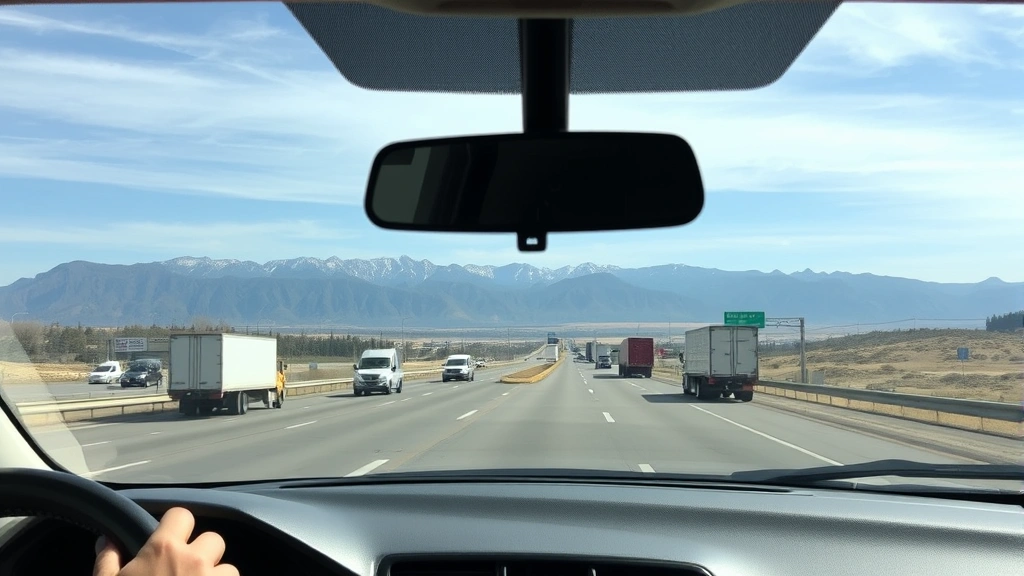
Distance and Travel Time Overview
The drive from Denver to Colorado Springs covers approximately 80 miles via Interstate 25 South, making it one of Colorado’s most manageable day trips. Under ideal conditions with light traffic, you can complete this journey in about 60 minutes at highway speeds. However, realistic travel time typically ranges from 75 to 90 minutes, accounting for traffic congestion around Denver’s metro area and occasional slowdowns near the Colorado Springs exits.
Understanding the route layout helps with planning. You’ll start in downtown Denver, merge onto I-25 South, and follow this major corridor through several small communities including Castle Rock and Littleton. The highway gradually climbs in elevation as you move south, rising from Denver’s 5,280 feet to Colorado Springs’ 6,035 feet. This elevation gain, combined with the interstate’s curves through the Black Forest area south of Castle Rock, means consistent engine and brake usage throughout the journey.
Travel time varies significantly based on time of day. Morning commutes (7-9 AM) and evening rush hours (4-6 PM) can add 20-30 minutes to your journey. Weekends typically offer faster travel, though tourist traffic to attractions like Garden of the Gods can create congestion near Colorado Springs exits. Weather conditions dramatically impact timing—snow, ice, or heavy rain can double your travel time and require extra caution.
Essential Vehicle Preparation Steps
Before departing Denver for Colorado Springs, conduct a thorough pre-trip vehicle inspection. This DIY approach saves money compared to professional inspections and gives you confidence in your vehicle’s condition. Start by reviewing your vehicle’s maintenance schedule and addressing any overdue services. Check your owner’s manual for recommended intervals specific to your make and model.
Begin with fluid levels—these are the easiest and most critical checks. Pop your hood and locate the engine oil dipstick, coolant reservoir, brake fluid reservoir, power steering fluid, and windshield washer fluid. Top off any low fluids using the correct specifications for your vehicle. Engine oil should be between minimum and maximum marks; coolant should be at the proper level when the engine is cold; brake fluid should be near the maximum line; and windshield washer fluid can be filled completely.
Inspect all four tires carefully for adequate tread depth, proper inflation, and damage. Use a penny test for tread—insert a penny into the groove with Lincoln’s head upside down; if you can see the top of his head, tread is insufficient for safe highway driving. Check tire pressure using a reliable gauge and compare against the recommended PSI listed on your driver’s door jamb (not the tire sidewall maximum). Underinflated tires reduce fuel efficiency and increase blowout risk on I-25, while overinflated tires reduce traction. Rotate tires if they haven’t been rotated recently.
Test your braking system by applying steady pressure to the brake pedal—it should feel firm and responsive without sponginess or excessive travel. If brakes feel soft or the pedal sinks to the floor, have them professionally inspected before traveling. Check windshield wipers and replace them if they streak or skip. Ensure all exterior lights function: headlights, taillights, brake lights, and turn signals. Have someone stand behind the vehicle while you activate each light to verify operation.
Critical Maintenance Checks Before Departure
Beyond fluid levels and tires, several other maintenance items deserve attention before your Denver to Colorado Springs journey. The battery is crucial—corroded terminals can prevent starting, especially in Colorado’s dry climate. Inspect battery terminals for white, blue, or green corrosion and clean with a wire brush if necessary. Ensure battery cables are tight and secure. If your battery is more than three years old, consider testing it at an auto parts store to verify adequate charge capacity.
Your cooling system works hard during highway driving, particularly on upgrades. Check hose condition for cracks, leaks, or soft spots. Squeeze hoses gently when the engine is cold—they should feel firm but not rock hard. Replace any suspicious hoses before the trip. If your vehicle uses a serpentine belt, inspect it for fraying, cracks, or glazing. A belt failure at highway speed can leave you stranded without power steering, water pump function, or alternator charging.
The air filter significantly impacts engine performance and fuel economy. A clogged filter restricts airflow and reduces efficiency. Most DIY enthusiasts can replace air filters in minutes—consult your owner’s manual for location and procedure. Similarly, check your cabin air filter if your vehicle has one. A dirty cabin filter reduces heating and air conditioning efficiency, particularly problematic during Colorado’s temperature extremes.
Inspect your fuel system by checking the fuel filter (if accessible) and ensuring your fuel tank has adequate capacity for the journey plus reserve. While the 80-mile drive doesn’t require a full tank, having at least three-quarters of a tank provides safety margin for unexpected detours or traffic. Fuel stations are readily available along I-25, but having buffer capacity prevents anxiety during peak traffic periods.
If you’ve recently completed a DIY car repair project, ensure all work is complete and properly tested. Loose connections or incomplete repairs can create dangerous situations at highway speeds. Road trips are excellent stress tests for repairs—vibration and temperature changes reveal incomplete work quickly.
What to Pack and Bring Along
Strategic packing ensures comfort and preparedness for the 80-mile journey. Start with navigation—download offline maps to your smartphone in case cellular service drops, particularly in areas near Castle Rock and the Black Forest region. Bring phone chargers for all devices, including car chargers for continuous power. A portable battery bank provides additional backup if you need to stop and make calls.
Water is essential—pack at least 2-3 liters per person. Colorado’s elevation and dry climate cause rapid dehydration, and having water available prevents fatigue and improves focus during driving. Include snacks that won’t create distractions: granola bars, nuts, dried fruit, or crackers. Avoid sugary snacks that cause energy crashes, and skip foods that create crumbs or mess.
Comfort items make the drive more enjoyable. Bring sunglasses and sunscreen—Colorado’s high elevation means intense UV exposure even on cloudy days. Include a small first aid kit for minor injuries. A blanket or jacket provides warmth if you stop for extended periods, particularly in winter or early spring when mountain weather changes rapidly. Consider earplugs or noise-canceling headphones if you’re sensitive to traffic noise.
Entertainment options keep passengers engaged. Audiobooks, podcasts, or music playlists eliminate boredom on the hour-long drive. If traveling with children, bring age-appropriate activities and snacks to prevent restlessness. However, as the driver, minimize distractions—save complex podcasts for when you’re not navigating busy I-25 traffic.
Documents and essentials include your driver’s license, vehicle registration, insurance information, and proof of vehicle inspection. Keep these accessible in your glove box. If you’re heading to Colorado Springs for business, bring any necessary documentation, though most business items can be handled digitally nowadays.
Safety Considerations for the I-25 Corridor
The I-25 corridor from Denver to Colorado Springs is generally well-maintained and clearly marked, but it presents specific safety challenges requiring attention. The highway experiences heavy commercial truck traffic throughout the day, particularly in the morning and afternoon. Large trucks have significant blind spots—avoid positioning your vehicle alongside trucks for extended periods, and maintain visible distance from their rear bumpers.
Speed limits on I-25 vary from 55 to 75 mph depending on location and conditions. While many drivers exceed posted limits, maintaining a consistent, moderate speed improves fuel economy and reduces accident risk. Aggressive acceleration and braking in heavy traffic increase collision probability. Maintain at least a three-second following distance from the vehicle ahead—in poor weather, increase this to five or more seconds. Calculate this by watching when the vehicle ahead passes a landmark, then counting seconds until you reach that same landmark.
Lane discipline is crucial on I-25. Keep right except to pass, and avoid sudden lane changes. Signal all turns and lane changes well in advance, giving other drivers time to adjust. Merging onto I-25 from Denver side roads requires careful acceleration and timing—don’t force your way into traffic; instead, match highway speed and merge smoothly when a gap appears.
The stretch between Denver and Castle Rock experiences the heaviest traffic and most aggressive driving. After Castle Rock, traffic typically eases, though you’ll encounter occasional congestion near Colorado Springs exits. Be aware of your surroundings and avoid distracted driving. Your focus on the road, mirrors, and upcoming exits should be complete—put your phone away and resist the urge to eat complex foods while driving.
Weather can change rapidly on this route. Winter storms can create hazardous conditions within minutes. If visibility drops significantly or conditions become icy, reduce speed and consider pulling off at a rest area to wait for conditions to improve. Your safety is more important than maintaining schedule. Similarly, during summer thunderstorms, exercise caution with sudden wind gusts and reduced visibility.
Weather and Seasonal Factors
Colorado’s weather patterns significantly impact road conditions between Denver and Colorado Springs. Winter driving (November through March) presents the greatest challenges. Snow and ice can develop unexpectedly, particularly in the Black Forest area where terrain provides less solar warming. Check weather forecasts before departing, and be prepared to delay your trip if winter storms are predicted. If you must drive in winter, ensure your vehicle has winter tires or all-season tires with adequate tread. Summer tires should never be used in snow or ice conditions.
Spring (April-May) brings variable conditions—warm sunshine can melt snow quickly, but afternoon thunderstorms develop rapidly. These storms create flash flooding in low areas and reduce visibility significantly. Hail is common in spring and summer, particularly in the afternoon. While you can’t prevent hail damage, avoiding travel during active hail events is prudent.
Summer (June-August) offers the most pleasant driving conditions, though afternoon thunderstorms remain possible. High temperatures can stress your vehicle’s cooling system, making proper coolant maintenance crucial. Intense UV radiation affects tire rubber and can cause blowouts if tires are underinflated or damaged.
Fall (September-October) provides excellent driving conditions with moderate temperatures and clear visibility. Early snow can occur in October at higher elevations, so remain alert to weather changes. The Black Forest area reaches approximately 7,000 feet elevation where snow can develop when Denver remains mild.
Building Your Emergency Kit
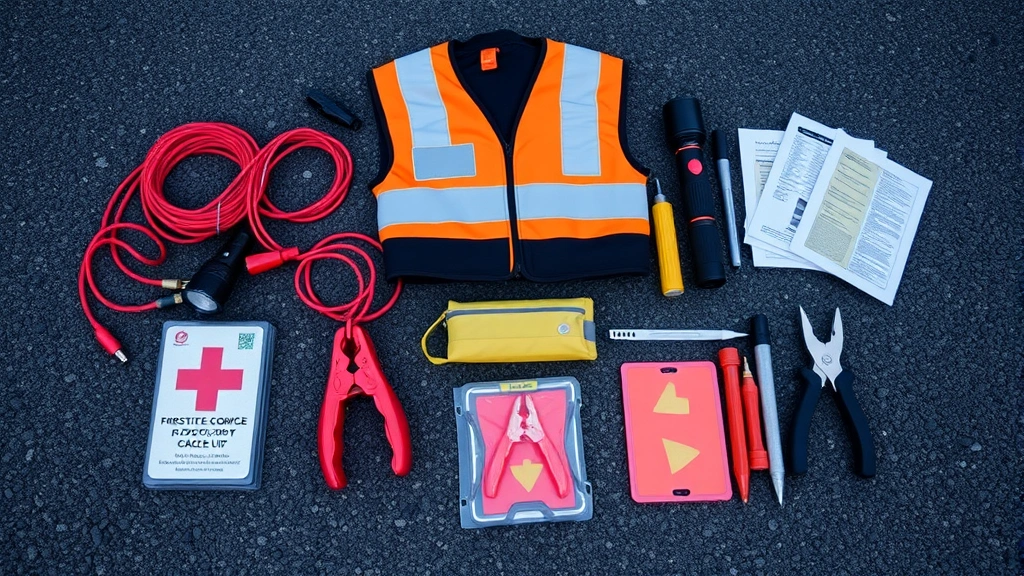
Despite thorough preparation, emergencies happen. An emergency kit provides resources for unexpected situations. Start with basic tools: jumper cables or a portable jump starter, a basic socket set, screwdrivers (Phillips and flathead), pliers, an adjustable wrench, and a flashlight with extra batteries. These items address many roadside situations without requiring professional help.
Include spare belts and hoses appropriate for your vehicle—consult your owner’s manual for specifications. Add spare fuses matching your vehicle’s fuse panel. A can of tire repair sealant or a plug kit allows temporary tire repairs. Include a spare serpentine belt if you’ve completed thorough vehicle maintenance. Keep motor oil, coolant, and brake fluid appropriate for your vehicle—these can address sudden leaks.
Add a blanket, emergency flares or triangles, and a reflective safety vest. If your vehicle breaks down after dark, these items increase visibility to other drivers and help prevent secondary accidents. Include a first aid kit with bandages, gauze, antibiotic ointment, pain relievers, and any personal medications.
Keep your vehicle registration, insurance information, and roadside assistance contact numbers accessible. AAA membership or similar roadside assistance provides peace of mind for situations beyond DIY repair. Store emergency contact numbers in your phone and written on paper in case your phone battery dies.
A tire plug kit, basic pump or compressor, and a pressure gauge address most tire issues. However, if you have a sidewall puncture or multiple punctures, professional repair is necessary. These tools provide temporary solutions allowing you to reach a repair facility.
FAQ
How far is Denver to Colorado Springs exactly?
The distance from downtown Denver to downtown Colorado Springs via I-25 South is approximately 80 miles. Actual distance varies slightly depending on your specific starting and ending points—from Denver’s northern suburbs to Colorado Springs’ northern areas might be 75 miles, while from south Denver to Colorado Springs’ southern areas could be 85 miles. GPS navigation provides exact distance for your specific route.
How long does the Denver to Colorado Springs drive take?
Under ideal conditions with light traffic, the drive takes approximately 60 minutes. Realistic travel time typically ranges from 75 to 90 minutes when accounting for traffic congestion, weather conditions, and road construction. During peak traffic hours (7-9 AM and 4-6 PM), allow 90-120 minutes. Winter weather or accidents can extend travel time significantly.
What’s the best time to make this drive?
Mid-morning (10 AM-12 PM) or mid-afternoon (2-4 PM) typically offers the fastest travel times with moderate traffic. Avoid 7-9 AM morning rush and 4-6 PM evening rush periods. Weekends are generally faster than weekdays, though tourist traffic to Colorado Springs attractions can create congestion. Early morning departures (before 7 AM) allow you to avoid peak traffic.
Are there rest areas along I-25?
Yes, several rest areas and travel plazas line I-25 between Denver and Colorado Springs. These provide opportunities to stretch, use restrooms, and purchase snacks. However, the relatively short drive length means many travelers don’t require rest stops. Rest areas are typically open 24/7 and free to use.
What should I do if my vehicle breaks down on I-25?
If your vehicle experiences problems, safely exit I-25 at the nearest exit if possible. If you can’t reach an exit, turn on hazard lights, move as far right as possible, and exit the vehicle to a safe location away from traffic. Call roadside assistance or emergency services (911). Avoid attempting repairs in traffic lanes—your safety is paramount. Use your emergency kit for minor repairs only if you can do so safely off the roadway.
Is I-25 safe for solo drivers?
Yes, I-25 between Denver and Colorado Springs is generally safe for solo drivers. The highway is well-traveled with consistent traffic, good lighting in most areas, and regular law enforcement presence. Exercise standard highway safety practices: maintain focus, avoid distractions, and follow traffic laws. Solo driving is manageable for this relatively short distance.
What elevation changes occur on this drive?
Denver sits at 5,280 feet elevation (the “Mile High City”), while Colorado Springs is at 6,035 feet. This 755-foot elevation gain occurs gradually throughout the 80-mile journey. The elevation change is noticeable but not extreme—your vehicle and passengers should acclimate without difficulty. If you’re visiting from lower elevations, the altitude might cause mild headaches or fatigue; drinking water and taking it easy for your first day helps.
Can I make this drive in winter?
Yes, you can make this drive in winter, but exercise caution and check weather forecasts before departing. Ensure your vehicle has winter tires or all-season tires with adequate tread. The Black Forest area between Castle Rock and Colorado Springs can develop icy conditions when Denver remains dry. If winter storms are predicted, consider delaying your trip. Winter driving requires reduced speeds, increased following distances, and heightened alertness.
External Resources:
- Colorado Department of Transportation (CDOT) – Current road conditions and travel information
- National Highway Traffic Safety Administration (NHTSA) – Vehicle safety guidelines and recalls
- National Weather Service Pueblo – Weather forecasts for Denver to Colorado Springs corridor
- American Automobile Association (AAA) – Roadside assistance and travel planning
- YourMechanic – Comprehensive vehicle inspection guide
For more DIY guidance, explore our DIY Nests Hub Blog for additional home and vehicle projects. Learn more about finishing projects and painting techniques to prepare your Colorado Springs destination for arrival.


