DIY Driveway Paving Costs? Expert Insights Here
Paving a driveway represents one of the most significant home improvement investments you’ll make, with costs varying dramatically based on material selection, square footage, and regional labor rates. Understanding the true expense breakdown helps homeowners make informed decisions about whether to tackle this project themselves or hire professionals. This comprehensive guide examines current pricing structures, material options, and realistic cost expectations for driveway paving projects.
Whether you’re considering asphalt, concrete, or permeable pavers, the financial implications extend beyond initial installation costs to include long-term maintenance, durability ratings, and climate suitability. Many homeowners underestimate hidden expenses like site preparation, drainage solutions, and seasonal weather considerations that directly impact final project costs.
Average Driveway Paving Costs by Material
The material you choose fundamentally determines your total project investment. Asphalt driveways typically range from $3 to $12 per square foot, making them the most budget-friendly option for most homeowners. A standard 600-square-foot driveway costs approximately $1,800 to $7,200 in materials and labor combined. Asphalt offers quick installation, relative affordability, and proven durability in most climates, though it requires regular seal-coating and resurfacing every 15-20 years.
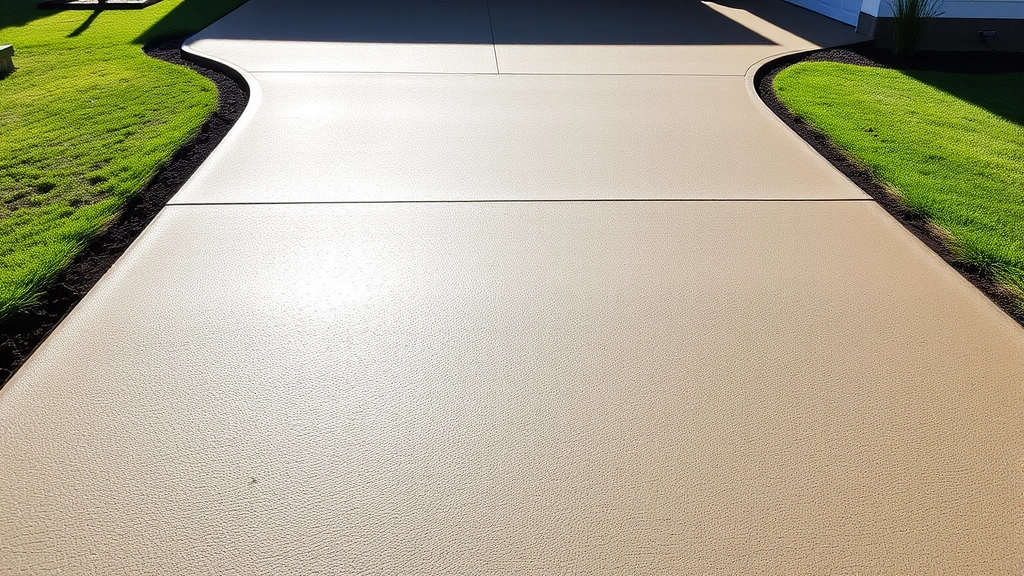
Concrete paving commands higher upfront costs between $8 and $18 per square foot, translating to $4,800 to $10,800 for a typical residential driveway. Concrete’s extended lifespan of 30-40 years and minimal maintenance requirements offset the initial expense for many property owners. Decorative concrete options like stamping or staining add $2 to $8 per square foot to base costs.
Permeable pavers represent the premium segment at $15 to $25 per square foot, though environmental benefits and aesthetic appeal justify higher investment for eco-conscious homeowners. Recycled asphalt, gravel, and recycled plastic options offer budget alternatives ranging from $1 to $5 per square foot but require more frequent maintenance and replacement.
When comparing material costs, factor in preparation expenses averaging $500 to $2,000 depending on existing surface conditions. Site excavation, removal of old pavement, and base layer installation constitute significant line items often overlooked in initial estimates.
Factors Affecting Driveway Installation Prices
Square footage represents the primary cost determinant, with larger driveways benefiting from modest per-square-foot reductions due to equipment efficiency. Standard residential driveways measure 300 to 800 square feet, though many homeowners don’t account for turnarounds or apron areas extending costs unexpectedly.
Existing surface conditions dramatically impact final pricing. Removing deteriorated asphalt or concrete requires specialized equipment and labor, adding $1 to $3 per square foot. Homes with poorly draining sites or unstable subgrades necessitate additional base preparation, increasing costs by 20-40 percent above standard estimates.
Slope and drainage considerations prove critical for long-term performance. Proper grading ensures water runoff away from structures, preventing costly foundation damage. Inadequate drainage solutions require retrofitting after installation, making proactive planning essential. International Building Code (ICC) guidelines specify minimum slope requirements of 1/8 inch per foot for effective drainage.
Thickness specifications vary by material and application. Asphalt requires 3-4 inches of material plus base layers totaling 6-8 inches. Concrete demands 4-6 inches of finished surface with 4-6 inches of compacted base. Insufficient thickness leads to premature failure, making proper specification non-negotiable despite cost implications.
Climate and seasonal factors influence both material selection and installation timing. Cold climates experience freeze-thaw cycles that degrade asphalt faster than temperate regions, favoring concrete alternatives. Installation during optimal weather windows (50-85°F) ensures material curing and prevents costly remobilization charges.
Accessibility challenges including narrow lot dimensions, utility lines, or tree preservation requirements increase labor costs substantially. Projects requiring careful equipment maneuvering or hand work command premium rates from experienced contractors.
DIY vs. Professional Installation
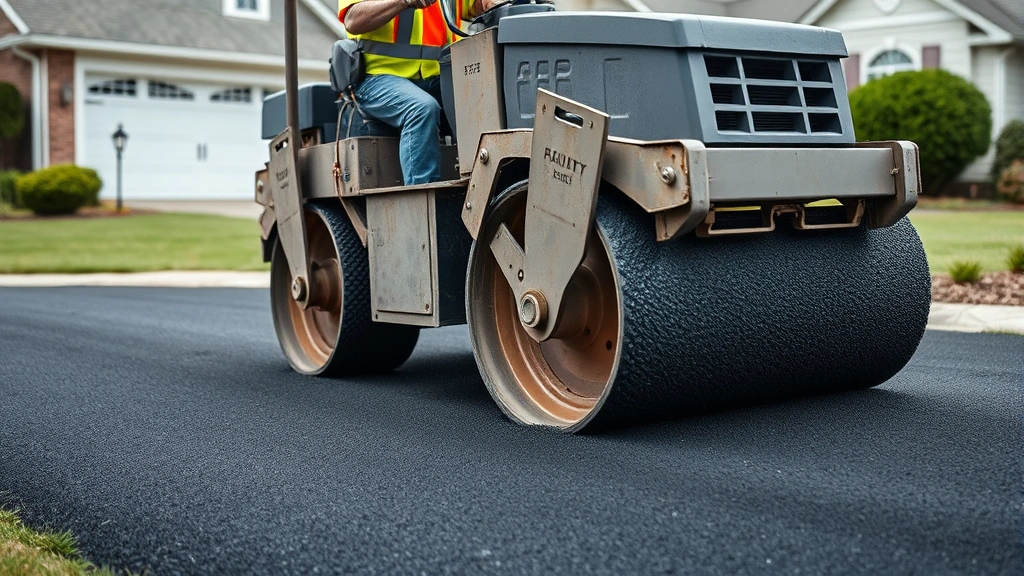
The decision between DIY and professional installation hinges on technical complexity, equipment requirements, and realistic skill assessment. Asphalt installation demands specialized hot-mix equipment costing $50,000-$150,000, making renting from commercial suppliers ($200-$400 daily) necessary. Most homeowners lack experience operating asphalt rollers and compactors, resulting in improper density and premature failure. Professional installation costs $3,000-$8,000 but includes equipment expertise and warranty protection.
Concrete paving offers greater DIY feasibility for modest driveways under 400 square feet. Basic tools including wheelbarrows, concrete mixers, screeds, and finishing trowels cost $500-$1,500 to purchase or rent. Material costs remain relatively fixed regardless of installer, though labor comprises 40-60 percent of professional quotes. DIY concrete work requires meticulous attention to mixing ratios, pouring techniques, and finishing timing—mistakes prove expensive and difficult to remedy.
For DIY concrete projects, consider these technical requirements: proper base preparation (4-6 inches of compacted gravel), concrete strength specifications (minimum 3,000 PSI), air entrainment for freeze-thaw protection, and appropriate finishing techniques preventing slipping hazards. American Concrete Institute (ACI) standards provide technical guidance for residential applications.
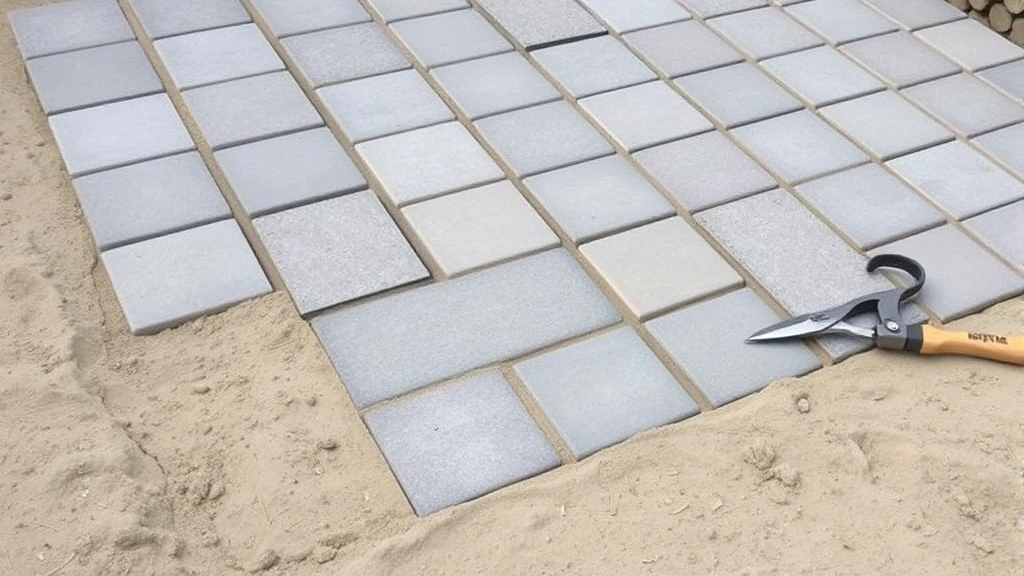
Permeable paver installation involves less heavy equipment but demands precise grading, proper base layers, and careful joint filling. DIY paver projects typically run 2-3 times longer than professional completion, with learning curves affecting quality outcomes. The Construction Dive industry publication regularly covers residential paving trends and best practices.
Insurance and liability considerations often favor professional installation. Most homeowner policies exclude coverage for DIY driveway construction injuries or property damage, creating significant financial exposure.
If you’re comfortable with home projects generally, explore our guide on DIY house painting to assess your hands-on capability level before committing to driveway work.
Regional Price Variations and Market Trends
Geographic location substantially influences driveway costs through material availability, labor rates, and climate requirements. Northeastern states with harsh winters typically charge 15-25 percent premiums for concrete over asphalt due to durability expectations. Western regions with moderate climates often favor asphalt for cost-effectiveness, while Southern states balance affordability with UV protection considerations.
Metropolitan areas command 30-50 percent higher labor rates than rural regions, reflecting competitive contractor markets and cost-of-living adjustments. Major cities like New York, Los Angeles, and Chicago see driveway projects costing $8,000-$15,000 for standard 600-square-foot installations, while comparable rural projects cost $4,000-$8,000.
Material availability affects pricing substantially. Regions with local concrete plants enjoy lower per-yard costs compared to areas requiring long-distance trucking. Asphalt hot-mix plants similarly influence regional pricing, with remote locations experiencing 20-30 percent premiums.
Current market trends show increased concrete adoption as homeowners prioritize durability and low maintenance over initial savings. Permeable paving demand grows in environmentally conscious regions, particularly in California, Colorado, and the Northeast where stormwater regulations mandate infiltration solutions.
Labor availability fluctuates seasonally, with spring and summer projects commanding 10-20 percent premiums over fall and winter work. However, winter installation in cold climates proves problematic, limiting seasonal flexibility in harsh-weather regions.
Long-Term Maintenance and Hidden Costs
Asphalt maintenance requirements significantly impact total cost of ownership. Seal-coating every 2-3 years costs $150-$400 for residential driveways, protecting against UV damage and moisture infiltration. Crack filling runs $200-$500 annually for typical driveways, while pothole repairs average $200-$400 per occurrence. Over 20 years, maintenance expenses total $3,000-$8,000 beyond initial installation.
Concrete driveways demand minimal maintenance beyond occasional pressure washing ($100-$200 annually). Crack repairs in concrete cost $200-$500 when sealed promptly, preventing water penetration and freeze-thaw damage. Concrete sealant application every 2-3 years ($200-$400) extends surface life significantly.
Permeable paver systems require annual weed management, joint sand replenishment, and debris removal—totaling $300-$600 yearly. Replacement of damaged pavers costs $20-$50 per unit plus labor, with typical repairs running $500-$1,500.
Hidden costs often include drainage system repairs ($1,000-$3,000 when failures occur), tree root intrusion remediation ($500-$2,000), and utility line relocation ($1,000-$5,000 if discovered during excavation). Proper site assessment before installation prevents most surprises.
Property value implications deserve consideration—well-maintained driveways contribute 5-10 percent to overall home value perception, while deteriorated pavement reduces curb appeal and buyer confidence substantially.
Money-Saving Strategies for Driveway Projects
Timing optimization yields significant savings through seasonal purchasing and off-peak installation. Contractors offer 10-20 percent discounts for fall and winter work when demand declines. Bulk material purchasing through contractor relationships secures better pricing than retail suppliers.
Phased installation approaches work for large properties, spreading costs across multiple years while prioritizing high-traffic areas. Completing parking areas first, then expanding to secondary sections, distributes financial burden manageable for many households.
Material selection based on climate reality prevents expensive future corrections. Asphalt in harsh freeze-thaw zones leads to premature failure and costly replacement—choosing concrete initially saves money long-term despite higher upfront costs.
DIY site preparation including vegetation removal, debris clearing, and basic excavation reduces contractor costs by 10-15 percent. Homeowners completing this groundwork before professional crews arrive save $500-$1,500 on labor charges.
Recycled asphalt and reclaimed materials offer budget-friendly alternatives for secondary driveways or apron areas. Quality varies significantly, requiring careful sourcing from reputable suppliers.
Contractor competition benefits homeowners obtaining multiple quotes. Requesting detailed itemizations ensures comparable quotes, revealing service variations and quality differences. Three to five bids typically show 15-25 percent pricing variation, justifying thorough evaluation.
Similar to planning home improvements like DIY basement finishing, strategic driveway planning prevents costly mistakes and budget overruns.
Permits, Codes, and Compliance Requirements
Building permits prove mandatory for driveway projects in most jurisdictions, costing $50-$500 depending on local requirements and project scope. Permit applications require site plans, material specifications, and drainage calculations demonstrating code compliance.
Setback requirements restrict driveway placement relative to property lines, typically mandating 10-15 feet from street edges. Violations result in costly removal and reconstruction, making compliance verification essential before material ordering.
Drainage compliance ensures stormwater management meets local environmental standards. Many jurisdictions now require permeable surfaces or infiltration systems for percentage of driveway areas, particularly in sensitive watersheds. EPA stormwater guidelines outline requirements for compliant installations.
ADA accessibility requirements apply to commercial driveways and some residential situations, specifying maximum slopes (1:20 for accessible routes) and surface texture standards. Violations create liability exposure and potential legal consequences.
Utility location services (call 811 in most states) must precede excavation work, preventing dangerous gas line, electric, or water line strikes. Locating services cost nothing but prove legally required, with violations carrying substantial fines and safety risks.
National Asphalt Pavement Association (NAPA) provides technical specifications and industry standards guiding proper installation practices and material specifications.
Local building departments maintain code requirements and permit procedures. Consulting municipal offices before project commencement prevents costly compliance corrections. Many jurisdictions offer pre-application meetings allowing designers to verify plans before formal submission.
FAQ
What’s the average cost to pave a standard residential driveway?
Standard 600-square-foot residential driveways cost $1,800-$7,200 for asphalt, $4,800-$10,800 for concrete, and $9,000-$15,000 for permeable pavers. Costs vary significantly by location, material quality, site conditions, and contractor selection. Obtaining local quotes provides accurate estimates for your specific situation.
Is DIY driveway paving realistic for homeowners?
Concrete driveways under 400 square feet offer reasonable DIY feasibility with proper planning, equipment rental, and careful technique execution. Asphalt installation requires specialized hot-mix equipment making professional services more practical. Permeable paver installation suits DIY work but demands precision and patience. Consider your experience level honestly before committing.
How long do different driveway materials last?
Asphalt driveways typically last 15-20 years with proper maintenance, concrete extends 30-40 years, and permeable pavers last 25-50 years depending on materials and care. Climate, traffic volume, and maintenance consistency significantly impact longevity. Professional installation generally outlasts DIY work by 20-30 percent.
What maintenance prevents early driveway failure?
Asphalt requires seal-coating every 2-3 years and prompt crack repair, costing $300-$900 annually. Concrete benefits from sealant application every 2-3 years and pressure washing. Permeable systems need annual debris removal and joint sand replenishment. Addressing small issues immediately prevents expensive major repairs later.
Do I need permits for driveway installation?
Most jurisdictions require permits for driveway projects, costing $50-$500. Permits ensure code compliance, proper drainage, utility safety, and setback adherence. Unpermitted work creates liability exposure and complicates future property sales. Contact local building departments for specific requirements.
How much can I save with DIY installation?
DIY concrete work saves 40-60 percent of professional labor costs, potentially $2,000-$5,000 for typical driveways. However, mistakes prove expensive to correct, and specialized tools require rental investment. Asphalt DIY savings prove minimal due to equipment requirements, making professional installation more cost-effective overall.
What causes premature driveway failure?
Poor base preparation, inadequate thickness, improper drainage, freeze-thaw cycles, and deferred maintenance represent primary failure causes. Subgrade instability, tree root intrusion, and utility line conflicts also accelerate deterioration. Professional installation addresses these factors through proper specification and technique.
Should I choose asphalt or concrete for my driveway?
Asphalt suits budget-conscious homeowners in moderate climates accepting higher maintenance requirements. Concrete benefits those prioritizing durability and low maintenance despite higher upfront costs. Climate, traffic volume, budget constraints, and aesthetic preferences should guide material selection. Consult local contractors about regional best practices.


