Can You DIY Plumbing? What Code Says
Plumbing work represents one of the most regulated aspects of home construction, yet many homeowners wonder whether they can tackle these projects themselves. The answer depends heavily on local building codes, permit requirements, and the complexity of the work. While some minor plumbing tasks are DIY-friendly, major installations and modifications typically require licensed professionals. Understanding what building codes say about residential plumbing helps you determine which projects fall within safe, legal boundaries and which demand professional expertise.
The distinction between permitted and prohibited DIY plumbing work varies significantly by jurisdiction. Some municipalities allow homeowners to perform certain plumbing tasks on their own property, while others require all plumbing work to be completed by licensed contractors. Before starting any plumbing project, you must research your local code requirements and obtain necessary permits. This guide explains plumbing code requirements, identifies which projects homeowners can realistically handle, and highlights when professional help becomes essential for safety and legal compliance.
Understanding Plumbing Codes and Regulations
Plumbing codes exist to protect public health and safety by ensuring that water supply systems remain uncontaminated and that waste is properly managed. The International Code Council (ICC) publishes the International Plumbing Code (IPC), which serves as the foundation for most state and local plumbing codes. However, individual states, counties, and municipalities often adopt, modify, and enforce their own versions of these codes.
Your local jurisdiction’s building department maintains the specific plumbing code applicable to your property. These codes dictate everything from pipe materials and sizing to trap requirements, venting specifications, and water pressure standards. Some jurisdictions are more stringent than others, particularly in areas with specific environmental concerns or aging infrastructure. Before beginning any plumbing work—whether DIY or contractor-managed—consult your local building department to understand which regulations apply to your project.
Building codes classify plumbing work into categories based on complexity and risk. Simple maintenance tasks like replacing a faucet aerator fall into the lowest-risk category. Moderate projects like installing a new fixture might require permits in some jurisdictions. Complex work such as rerouting main water lines or installing new gas lines typically requires licensed professionals and rigorous inspections. Understanding these classifications helps you assess whether your specific project qualifies as DIY-appropriate.
What DIY Plumbing Work is Generally Permitted
Most jurisdictions allow homeowners to perform routine maintenance and minor repairs without permits or professional licensing. These projects generally include:
- Faucet repairs and replacement – Fixing leaky faucets, replacing aerators, and installing new faucets at existing supply lines are typically DIY-permitted tasks.
- Toilet repairs – Replacing fill valves, flapper mechanisms, and even entire toilet replacement at existing supply and drain connections is usually allowed.
- Fixture installation – Adding new sinks, showers, or tubs when connecting to existing supply and drain lines may be permitted without professional involvement.
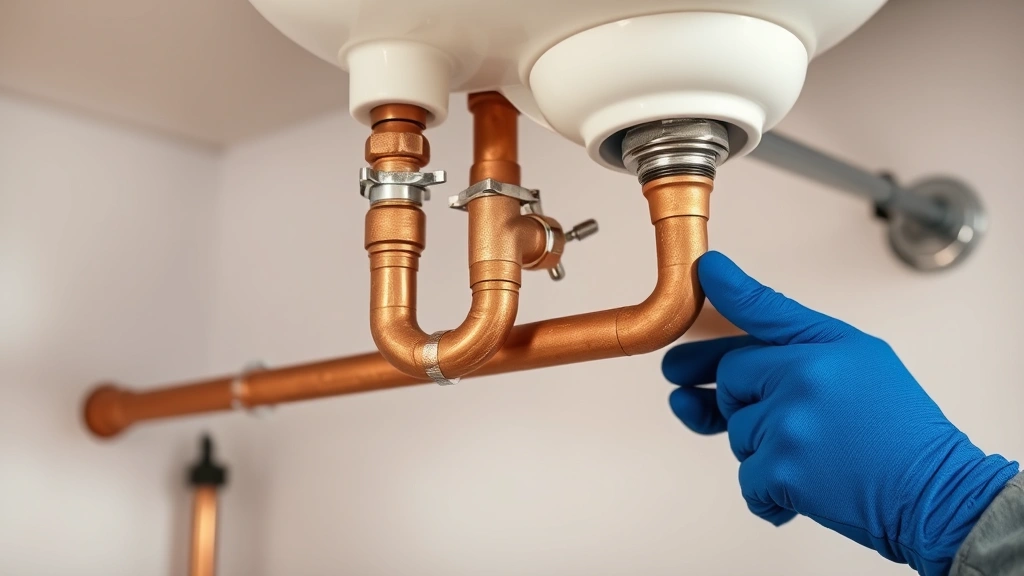
- Trap and P-trap replacement – Replacing worn or damaged traps under sinks and fixtures is generally DIY-acceptable.
- Caulking and sealing – Waterproofing around fixtures and connections is typically unrestricted.
- Drain cleaning – Using plungers, augers, and chemical cleaners to clear clogs is generally permitted.
- Water heater maintenance – Flushing sediment and replacing anode rods on existing water heaters is often DIY-allowed.
However, even these seemingly simple projects may require permits in some jurisdictions. Certain municipalities require permits for any fixture installation, regardless of complexity. Others impose restrictions based on whether work involves structural modifications, electrical components, or gas connections. Always verify your local requirements before assuming a project is permit-exempt.
When undertaking permitted DIY plumbing work, follow manufacturer instructions precisely and adhere to all applicable code requirements. Use approved materials rated for your specific application. For instance, water supply lines require materials rated for potable water and appropriate pressure ratings. Drain lines need materials rated for the temperatures and substances they’ll encounter. Using incorrect materials—even if they seem similar—creates safety hazards and code violations.
Projects That Require Licensed Professionals
Most jurisdictions prohibit homeowners from performing major plumbing installations, modifications, or work involving new construction. Licensed plumbers must handle:
- New water supply line installation – Running new main lines, branch lines, or supply lines to new fixtures requires professional installation and inspection.
- Sewer line work – Any modifications to main sewer lines, installation of sump pumps, or septic system work demands professional expertise.
- Gas line installation – Natural gas and propane lines must be installed, tested, and inspected by licensed professionals due to explosion and fire hazards.
- Backflow prevention devices – Installing and certifying backflow preventers requires specialized training and certification.
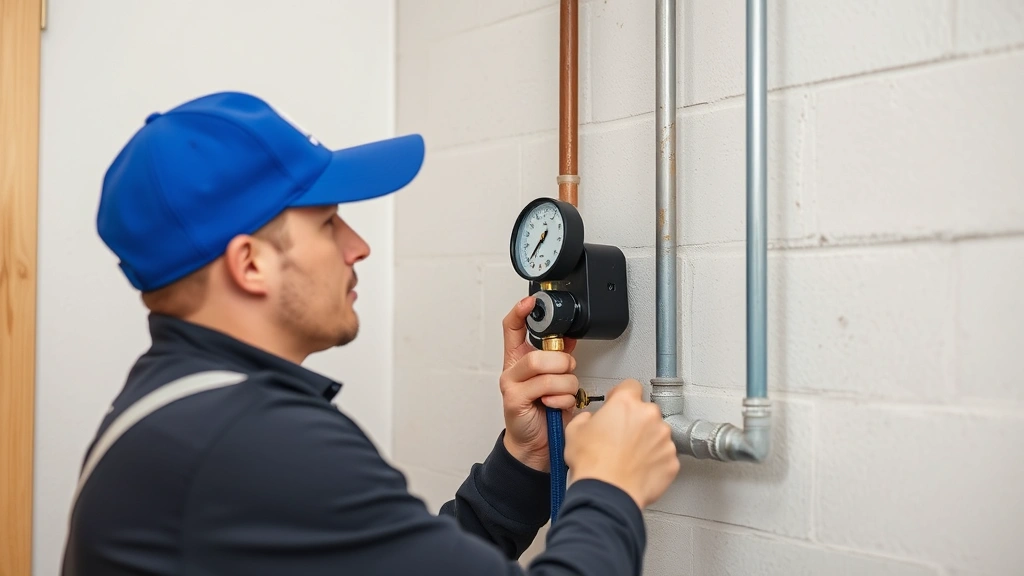
- Water pressure regulation – Installing pressure regulators, expansion tanks, and related components often requires professional installation and testing.
- Greywater systems – Designing and installing systems that recycle water for irrigation involves complex code compliance and professional certification.
- Radiant heating systems – Installing tubing-based heating systems requires professional design and installation verification.
- New bathroom or kitchen installation – Adding entirely new bathrooms or kitchens with new supply and drain connections requires professional planning and installation.
When you’re planning a home renovation or addition, like finishing a basement, any new plumbing work must be handled by licensed professionals. These projects require design review, multiple inspections, and compliance with current codes. Attempting these projects yourself risks creating unsafe conditions, failing inspections, and facing expensive remediation.
Permit Requirements and Inspections
Determining whether your plumbing project requires a permit is crucial. Some jurisdictions require permits for all plumbing work, while others exempt minor repairs and maintenance. The safest approach is to assume a permit is required unless your local building department explicitly states otherwise in writing.
Permits serve multiple purposes: they ensure work complies with current codes, create official records of improvements, facilitate inspections, and protect homeowners and future buyers. When you obtain a permit, the building department provides specific code requirements for your project, and inspectors verify completion before you can use the new plumbing. This process, while occasionally inconvenient, ensures safety and protects property value.
Unpermitted plumbing work creates significant liability. If problems develop—water damage, contamination, or system failure—insurance may not cover damages resulting from unpermitted work. When selling your home, buyers or their inspectors may discover unpermitted plumbing, requiring expensive remediation before closing. Additionally, local authorities can require removal of unpermitted work and levy fines.
The permit process typically involves submitting plans or project descriptions to your building department, paying permit fees, and scheduling inspections at specific stages. For simple fixture replacements, the process might take days. Complex projects involving new lines or system modifications may require preliminary inspections, rough-in inspections after pipes are installed but before walls are closed, and final inspections after all connections are complete.
Safety Considerations for DIY Plumbing
Even when local codes permit homeowner plumbing work, safety must remain paramount. Plumbing mistakes create hazards including water damage, contaminated drinking water, sewage backup, and structural damage.
Water contamination represents the most serious health risk. Cross-connections between potable water and non-potable sources can introduce harmful bacteria and chemicals into drinking water. Backflow—where contaminated water flows backward into supply lines—occurs when pressure differentials reverse normal flow direction. Preventing cross-connections and backflow requires proper valve installation, correct pipe sizing, and appropriate venting. These requirements exist in codes specifically to prevent disease outbreaks.
Improper venting causes multiple problems. Drain lines require vent pipes that allow air into the drainage system, enabling proper drainage and preventing siphoning of trap seals. When trap seals are broken, sewer gases escape into living spaces, creating odor problems and potential health hazards. Vent pipes must be sized appropriately, slope correctly, and extend through roofs at proper heights. Undersized or improperly routed vents cause slow drains and trap seal failures.
Pipe sizing affects both water supply and drainage. Supply lines must be sized to deliver adequate pressure and flow to all fixtures simultaneously. Undersized pipes cause low pressure and slow filling. Drainage pipes must slope between 1/4 and 1/2 inch per foot to flow properly. Improper slope causes clogs and backup. These requirements seem simple but require careful measurement and planning.
Material compatibility prevents corrosion and contamination. Different pipe materials—copper, PVC, PEX, galvanized steel—have specific applications and compatibility requirements. Mixing incompatible materials causes galvanic corrosion, reducing lifespan and potentially contaminating water. Using the correct material for each application, as specified in codes, ensures longevity and safety.
When working on permitted DIY plumbing projects, consult the applicable state plumbing code and manufacturer specifications for every component. Watch instructional videos from reputable sources, take your time, and test all connections thoroughly before closing walls or finishing surfaces. If uncertainty arises, contact a licensed plumber rather than proceeding with guesses.
Common Code Violations Homeowners Make
When homeowners attempt plumbing work without proper code knowledge, certain violations occur repeatedly:
- Incorrect pipe materials – Using drain pipe for water supply, PVC in inappropriate applications, or undersized pipes creates immediate problems.
- Missing or improper venting – Failing to install vent pipes or routing them incorrectly prevents proper drainage and trap seal maintenance.
- Improper slope – Drain lines that slope too steeply or insufficiently cause clogs and backups.
- Cross-connections – Connecting potable water lines to non-potable sources without proper backflow prevention contaminates drinking water.
- Oversized traps – Installing traps larger than code allows prevents proper flushing and trap seal maintenance.
- Inadequate support – Failing to properly support pipes with appropriate hangers and straps causes sagging, joint stress, and eventual failure.
- Improper connections – Using incorrect fittings, thread sealant types, or soldering techniques creates leaks and joint failures.
- Water heater installation errors – Missing temperature-pressure relief valves, improper venting, or incorrect connections create safety hazards.
These violations often go undetected initially but manifest as slow drains, odors, leaks, or contamination. By the time problems become apparent, walls may need opening for repairs. Inspections catch these violations before damage occurs, preventing costly remediation.
For other home improvement projects like house painting, mistakes may be cosmetic. With plumbing, violations create functional and health hazards. This distinction explains why plumbing codes are stricter and more heavily enforced than codes for many other home systems.
FAQ
Can I install a new bathroom myself?
No. Installing a new bathroom requires running new water supply and drain lines, which virtually all jurisdictions require licensed professionals to perform. You may be able to install fixtures like towel bars or mirrors, but all plumbing work must be done by licensed plumbers and inspected by building officials.
Do I need a permit to replace a faucet?
Most jurisdictions don’t require permits for faucet replacement, as it involves connecting to existing supply lines. However, verify your local code, as some municipalities require permits for all plumbing work. When in doubt, contact your building department.
What happens if I do unpermitted plumbing work?
Unpermitted work creates liability for safety issues, may not be covered by insurance, can prevent home sales, and may require expensive remediation. Local authorities can order removal of unpermitted work and levy fines. The small cost of permits is far less than potential consequences.
Can I install a new water heater myself?
This depends on your local code. Some jurisdictions permit homeowner water heater replacement if connected to existing supply and drain lines, while others require licensed professionals. Gas water heater installation typically requires professional work due to gas line safety requirements. Check your local code before attempting this project.
How do I know if my plumbing work needs inspection?
If you obtained a permit, the permit document specifies required inspection stages. If you’re unsure whether a permit was required, contact your building department. They can tell you whether unpermitted work needs inspection and remediation.
What’s the difference between DIY plumbing and other home projects?
Unlike home security systems or other projects, plumbing failures create health hazards and property damage. Codes are stricter because contaminated water or sewage backup affects public health. This justifies stricter regulation and higher professional licensing requirements.
Where can I find my local plumbing code?
Contact your local building department or planning department. They maintain code documents and often provide online resources. The National Association of Home Builders website provides information about code resources in your area.
Can I do plumbing work on rental property I own?
No. Landlord-owned properties are subject to the same code requirements as owner-occupied homes. In many cases, rental properties face even stricter inspections. All plumbing work must comply with codes and obtain required permits, regardless of ownership structure.


