DIY Cashmere Cleaning? Expert Tips Inside
Cashmere represents one of the finest natural fibers available, prized for its softness, warmth, and luxurious feel. However, many people hesitate to purchase cashmere garments because they fear the cleaning and maintenance process. The truth is that with proper knowledge and technique, you can successfully clean your cashmere sweaters at home without expensive dry cleaning services. This comprehensive guide will walk you through professional-grade methods that protect your investment while keeping your garments pristine.
Whether you own a single cherished cashmere piece or an entire wardrobe of these delicate items, understanding the fundamentals of fiber care is essential. Unlike synthetic materials or even standard wool, cashmere requires a gentle approach that respects the integrity of the fibers. By learning the correct techniques now, you’ll save money over time and develop the confidence to care for your luxury items independently.
Understanding Cashmere Fiber Structure
Cashmere comes from the soft undercoat of cashmere goats, particularly those raised in the Himalayan region. The fibers measure approximately 14-19 microns in diameter, making them significantly finer than standard wool fibers. This delicate structure is what gives cashmere its signature softness and luxurious drape, but it also means the material requires specialized care during cleaning.
The fiber composition affects how cashmere responds to water, detergent, and mechanical action. Unlike sturdy cotton or polyester blends used in everyday clothing, cashmere fibers can become matted, stretched, or damaged when exposed to harsh treatment. Understanding this fundamental difference is crucial before you begin any cleaning process. The protein-based structure of cashmere means it responds similarly to human hair, requiring mild, pH-balanced cleansing solutions rather than standard laundry detergents.
Cashmere garments often feature a tight knit construction that traps dirt and odors within the fiber structure. This is why proper cleaning technique matters tremendously—you need to gently open the fibers enough to release trapped particles without compromising the yarn integrity. Temperature, water quality, and agitation levels all play critical roles in achieving clean cashmere without damage.
Pre-Cleaning Inspection and Preparation
Before introducing any water or cleaning solution to your cashmere sweater, conduct a thorough inspection. Check the garment label for manufacturer guidance, though most cashmere items recommend hand washing or dry cleaning. Look for existing damage such as small tears, loose seams, or pilling—these conditions may worsen during cleaning, so address them first if possible.
Examine the sweater carefully for stains, noting their location and composition. Protein-based stains like blood or egg require different treatment than oil-based stains. Identifying stains early allows you to apply targeted treatment before general washing. Use a soft brush or lint roller to remove surface dust and loose particles; this preliminary step prevents dirt from becoming embedded during the wet cleaning process.
Test any cleaning solution on an inconspicuous area first, such as an inside seam or the underarm area. This patch test helps ensure the cleaner won’t cause discoloration or fiber damage. Wait at least 15 minutes after applying the test solution before rinsing and examining the results. This cautious approach prevents disaster when working with expensive garments.
Prepare your cleaning space by gathering all necessary supplies: mild detergent, soft towels, a basin or sink large enough for the sweater, lukewarm water, and a drying surface. Having everything ready before you begin prevents rushing through steps or leaving the garment soaking longer than necessary. The organized approach also reduces stress during the cleaning process.
Hand Washing Method for Maximum Protection
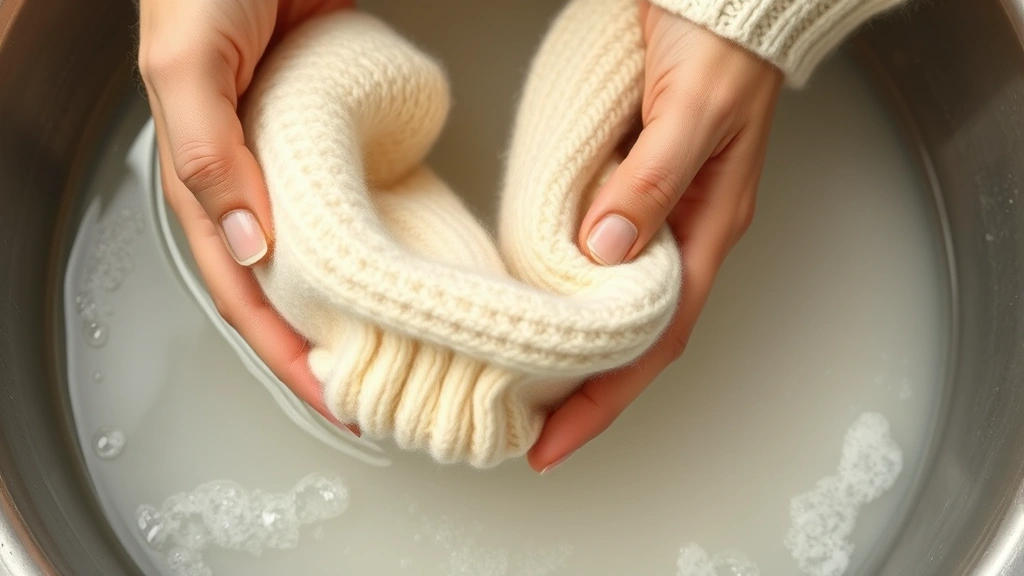
Hand washing is the gold standard for cashmere care, offering maximum control and protection compared to machine washing. Fill a basin with lukewarm water—ideally between 65-75 degrees Fahrenheit. Water temperature is critical because hot water can cause cashmere fibers to shrink and felt, while cold water may not effectively release trapped dirt and oils.
Add a specialized cashmere or wool detergent to the water, following product instructions carefully. Never use standard laundry detergent, which contains harsh surfactants designed for tough fabrics. Instead, select gentle formulas specifically engineered for delicate fibers. According to the FDA consumer guidelines, specialized textile cleaners use milder surfactants that won’t strip natural oils from delicate fibers.
Submerge the cashmere sweater completely in the soapy water, gently pressing it down rather than agitating. Allow the garment to soak for 10-15 minutes, which gives the detergent time to penetrate the fibers and loosen trapped dirt. Avoid wringing, twisting, or scrubbing the fabric—these mechanical actions damage the delicate yarn structure and cause pilling.
After soaking, gently work the soapy water through the sweater by pressing and releasing repeatedly. Focus on areas that typically accumulate body oils and sweat: the underarms, neckline, and cuffs. This gentle pressing motion dislodges dirt without stressing the fibers. Rinse thoroughly in clean, lukewarm water, changing the water several times until all soap residue disappears. Soap remaining in the fibers can attract dirt and cause discoloration over time.
For stubborn odors, add a small amount of white vinegar to the final rinse water. The vinegar neutralizes odors and helps restore the natural pH balance of the fibers. Use approximately one tablespoon of vinegar per gallon of water—too much vinegar can leave an unpleasant smell itself.

Drying Techniques That Prevent Damage
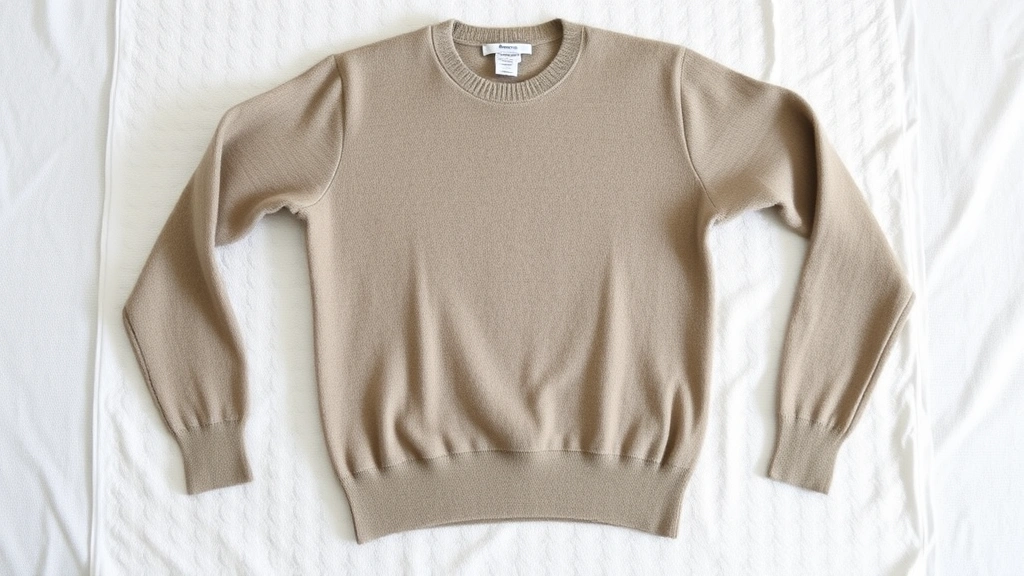
Proper drying is equally important as washing when it comes to protecting your cashmere investment. Never hang cashmere sweaters to dry, as the weight of wet fibers can stretch the garment permanently out of shape. Instead, lay the clean, wet sweater flat on a clean, dry towel in a well-ventilated area away from direct sunlight or heat sources.
Gently squeeze out excess water without wringing—you want the garment damp but not dripping. Roll the sweater loosely in the towel to absorb additional moisture, then unroll and smooth it into the desired shape on a fresh, dry towel. Reshape the sweater to its original dimensions, paying attention to sleeve length, shoulder width, and body proportions. This active shaping during the drying process prevents unwanted stretching or shrinking.
Allow the sweater to air dry completely, which typically takes 24-48 hours depending on humidity and air circulation. Flip the sweater halfway through the drying process to ensure even moisture distribution. In humid climates, use a fan to improve air circulation and speed drying, but avoid directing airflow directly onto the garment, which can cause uneven drying.
Never use a clothes dryer, hair dryer, or radiator heat to speed the drying process. Excessive heat damages cashmere fibers, causing shrinkage and permanent loss of softness. The low-and-slow drying approach requires patience but guarantees your cashmere remains in excellent condition for years to come.
Spot Cleaning Stains Effectively
Accidents happen, and addressing stains immediately prevents permanent damage to your cashmere pieces. For fresh spills, blot gently with a clean, white cloth—avoid rubbing, which pushes the stain deeper into the fiber structure. Work from the outside edges toward the center to contain the stain rather than spreading it.
Create a gentle stain-removal solution by mixing one part white vinegar with three parts water, or use a specialized stain remover designed for delicate fabrics. Test this solution on a hidden area first, then apply it to the stain using a soft brush or cloth. Allow the solution to sit for 5-10 minutes before gently working it through the fibers. Rinse thoroughly with clean water.
For oil-based stains, sprinkle a small amount of talcum powder or cornstarch directly on the stain and allow it to absorb the oil for several hours. Brush away the powder gently, then treat any remaining residue with a specialized oil-stain remover. Protein-based stains like blood or grass require cold water rinses—hot water sets these stains permanently.
Avoid using bleach or harsh chemicals on cashmere under any circumstances. These substances damage the fiber structure and can cause yellowing or permanent discoloration. When in doubt about treating a stain, consult a professional cleaner rather than risk ruining an expensive garment. See our guide on how to clean candle wax for similar delicate fabric treatment principles.
Storage and Prevention Strategies
Proper storage extends the lifespan of your cashmere wardrobe significantly. Clean garments before storing them, as dirt and body oils attract moths and other pests. Store cashmere pieces in a cool, dry location away from direct sunlight, which can cause fading and fiber damage over time. Ideal storage temperature ranges from 60-70 degrees Fahrenheit with humidity between 40-50 percent.
Fold cashmere sweaters rather than hanging them, which prevents stretching and deformation. Store items in breathable cotton storage bags or acid-free tissue paper rather than plastic, which traps moisture. Cedar blocks or lavender sachets provide natural moth protection without the harsh chemicals of traditional mothballs, which can damage fibers and leave unpleasant odors.
Rotate stored cashmere items periodically to ensure even aging and to catch any pest activity early. Inspect garments quarterly for signs of damage, pilling, or pest invasion. Address any issues immediately to prevent spreading. This proactive approach to storage maintenance prevents problems from becoming catastrophic.
Between wearings, refresh your cashmere by hanging it in a well-ventilated area overnight rather than washing it. This simple step removes odors and allows the fibers to relax. Most cashmere items don’t require washing after every wear—typically 3-5 wearings before washing maintains cleanliness without over-processing the fibers.
When to Seek Professional Help
While DIY cleaning works well for routine maintenance, certain situations warrant professional attention. If your cashmere has been damaged by moths, professional treatment can often restore the garment. Severe stains that don’t respond to home treatment should go to a specialist rather than risk permanent damage through continued DIY attempts.
Garments with delicate embellishments, beading, or unusual dyes benefit from professional expertise. These special features require knowledge and equipment beyond typical home cleaning setups. Similarly, if your cashmere has been accidentally felted or significantly damaged, professionals have specialized techniques that might restore it.
According to the Cleaning Institute, professional dry cleaners use equipment and solvents specifically designed for luxury fibers. If you find yourself uncertain about cleaning a particularly valuable or sentimental cashmere piece, the cost of professional cleaning is worthwhile insurance against disaster.
Build a relationship with a reputable dry cleaner who specializes in luxury fabrics. Communicate your preferences clearly—indicate that you prefer gentler cleaning methods and ask about their experience with cashmere. A good professional cleaner will welcome your questions and explain their process in detail. For general cleaning guidance, visit our main DIY Nests Hub Blog for additional fabric care resources.
FAQ
Can I machine wash cashmere on a gentle cycle?
While some cashmere items labeled as machine-washable can tolerate gentle cycles, hand washing remains the safest method. Machine washing, even on delicate settings, subjects fibers to agitation that can cause pilling and stretching. If your cashmere is specifically labeled as machine-washable, use a mesh laundry bag, cold water, and the gentlest cycle available. However, hand washing provides superior protection and is recommended whenever possible.
How often should I wash my cashmere sweater?
Most cashmere sweaters only need washing every 3-5 wearings, depending on activity level and visible soiling. Frequent washing accelerates fiber degradation and increases pilling risk. Between washes, refresh your sweater by airing it overnight. This approach keeps your cashmere clean while extending its lifespan significantly compared to washing after every wear.
What’s the best detergent for cashmere?
Use only detergents specifically formulated for delicate fibers like wool or cashmere. Brands like Woolite Delicates, The Laundress Delicate Wash, and Ecos Hypoallergenic are excellent choices. These products contain milder surfactants that clean effectively without stripping natural oils. Avoid standard laundry detergents, which are too harsh for cashmere fibers.
Can pilling be removed from cashmere?
Yes, gentle pilling removal is possible. Use a cashmere comb or specialized pilling brush, available at fabric or craft stores, to carefully remove pills without damaging the underlying fibers. Work gently in one direction, and don’t apply excessive pressure. For severe pilling, professional restoration services can often improve appearance significantly.
How do I prevent shrinking in cashmere?
Shrinking occurs primarily due to heat and agitation. Use lukewarm water (never hot), gentle hand washing techniques, and air drying away from heat sources. Never use a clothes dryer or expose cashmere to direct sunlight during drying. Reshape the garment while damp to maintain proper dimensions. These precautions virtually eliminate shrinkage risk.
Is it safe to use fabric softener on cashmere?
Avoid fabric softeners on cashmere, as they coat fibers and reduce breathability. The natural softness of quality cashmere doesn’t require additional softening. Fabric softeners can also attract dirt and accelerate pilling. Instead, use a small amount of vinegar in the final rinse to maintain softness and restore natural luster.
What should I do if I accidentally damage my cashmere while cleaning?
Small tears can be carefully hand-stitched with matching thread. Pilling can be removed with a cashmere comb. If you’ve stretched the garment, reshape it while damp and allow it to dry flat. For significant damage, consult a professional who specializes in textile restoration. Many seemingly ruined cashmere pieces can be salvaged with expert help.


