How to Clean Baseball Caps: Expert Tips for Keeping Your Headwear Fresh
Baseball caps are a staple accessory for millions of people, whether you’re an avid sports fan, outdoor enthusiast, or someone who simply appreciates comfortable casual wear. However, keeping your caps clean and well-maintained can be challenging, especially when they’re exposed to sweat, dirt, UV rays, and environmental pollutants. Unlike regular clothing that can be tossed into the washing machine, caps require special care to preserve their shape, color, and structural integrity.
In this comprehensive guide, we’ll explore professional-grade techniques for cleaning baseball caps that will help you extend their lifespan and maintain their appearance. Whether you’re dealing with stubborn stains, accumulated sweat marks, or general grime, you’ll discover methods that work for different cap materials and conditions. We’ll also cover preventative maintenance strategies similar to the detailed approaches found in our guide to removing tough wax buildup, ensuring your caps stay cleaner longer.
Understanding Your Cap’s Material
Before you begin any cleaning process, it’s essential to identify what your baseball cap is made from. Different materials require vastly different cleaning approaches, and using the wrong method could damage your cap irreparably. Most baseball caps fall into one of several material categories, each with unique cleaning requirements.
Cotton caps are the most common and generally the easiest to clean. Pure cotton is durable and can withstand more vigorous cleaning methods, though you’ll still want to be gentle to preserve the fabric’s integrity and color. Polyester caps, often used in modern athletic wear, are synthetic and require careful handling to avoid melting or discoloration. Wool caps, particularly those used in colder climates or vintage designs, are delicate and need specialized care similar to how you’d handle fine clothing. Blended fabrics combine cotton and polyester, requiring a balanced approach that respects both materials’ limitations.
Some premium caps feature suede, leather, or specialty materials that demand professional-level care. Before proceeding with any cleaning method, check the manufacturer’s tag for specific care instructions. If the tag is missing or illegible, perform a small spot test in an inconspicuous area to ensure your chosen cleaning method won’t cause damage.
Pre-Cleaning Assessment and Preparation
Proper preparation is crucial for successful cap cleaning. Begin by examining your cap thoroughly to identify all stains, soiled areas, and any damage that might worsen during cleaning. Use a soft-bristled brush or an old toothbrush to gently remove loose dirt, dust, and debris from the entire surface. Pay special attention to the bill, where dirt and grime accumulate quickly, and the interior sweatband, where sweat, oils, and bacteria concentrate.
Check for specific stain types, as different stains require different treatments. Sweat stains typically appear as yellowish or brownish marks along the sweatband and may extend to the front of the cap. Grass stains, common from outdoor activities, require different treatment than grease or food stains. Mold or mildew growth, indicated by dark spots or musty odors, needs antifungal treatment. Understanding what you’re dealing with allows you to select the most effective cleaning solution.
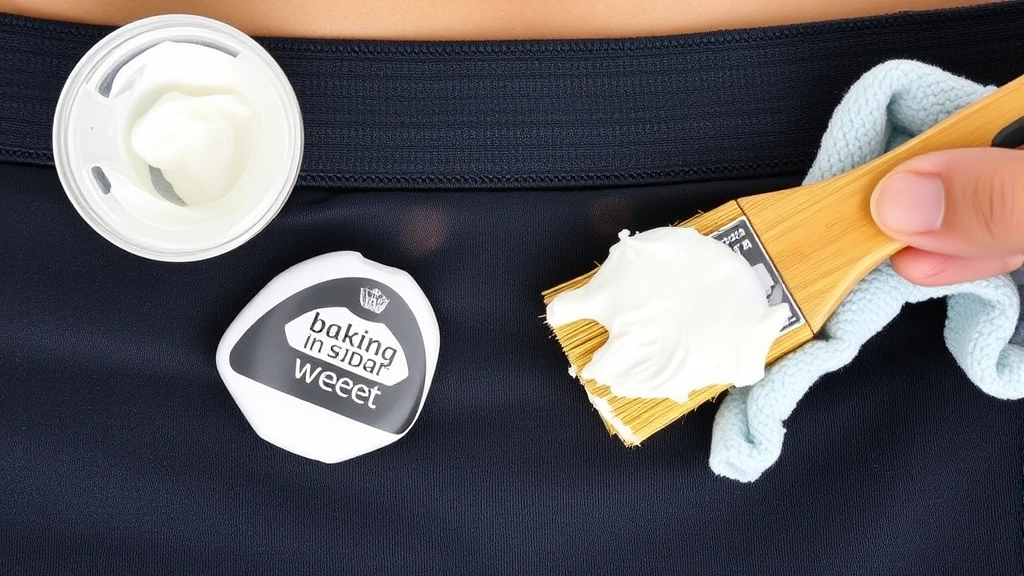
Gather your supplies before starting. You’ll need lukewarm water, mild detergent or specialized cap cleaner, soft-bristled brushes or clean cloths, and access to a clean sink or basin. For stubborn stains, prepare a paste using baking soda and water, or consider specialized stain removers designed for the specific stain type you’re addressing. This methodical preparation mirrors the detailed approach recommended in our expert bronze cleaning guide, where preparation determines success.
Hand Washing Method for Cotton and Polyester Caps
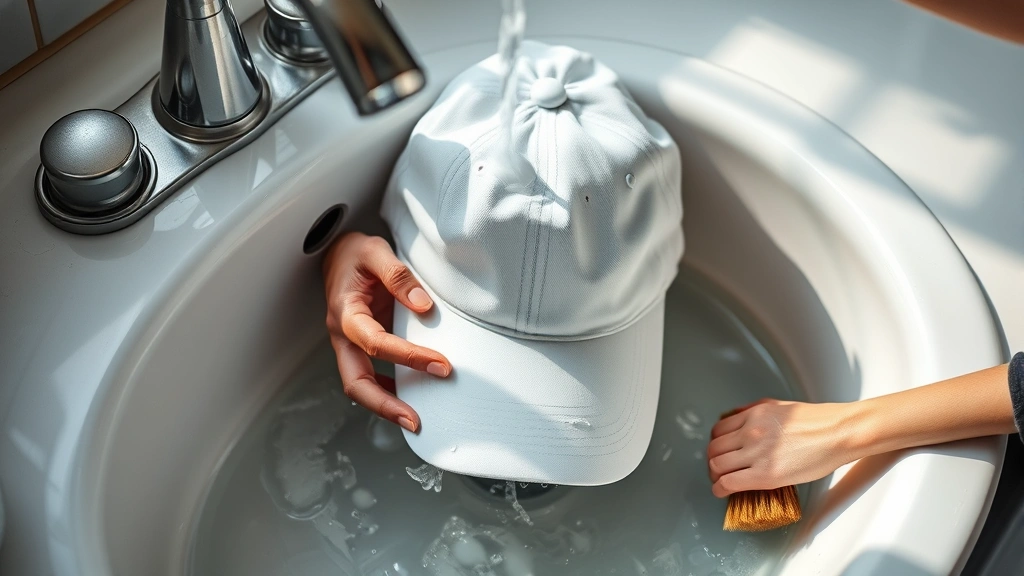
The hand washing method is the safest and most effective approach for the majority of baseball caps. Start by filling a sink or basin with lukewarm water—never use hot water, as excessive heat can damage fabric dyes and elastic components. Add a small amount of mild detergent, such as dish soap or specialized cap cleaner. Avoid bleach or harsh chemicals unless specifically recommended for your cap’s material.
Submerge the cap completely in the soapy water and let it soak for 10-15 minutes. This soaking period allows the cleaning solution to penetrate fabric fibers and loosen stubborn dirt and sweat residue. For caps with heavy soiling or significant sweat stains, extend the soaking time to 20-30 minutes, but don’t exceed an hour as prolonged soaking can affect colors and fabric integrity.
After soaking, use a soft-bristled brush or clean cloth to gently scrub all surfaces. Focus on the sweatband, bill, and any visibly soiled areas, using circular motions rather than aggressive scrubbing. The bill requires particular attention since it’s frequently touched and exposed to the elements. Work the cleaning solution into the fabric gently, allowing the detergent to do most of the work rather than relying on physical scrubbing force.
Rinse thoroughly with clean, lukewarm water. This is critical—any remaining soap residue will attract dirt and can cause discoloration or stiffness. Rinse multiple times until the water runs clear and you can’t detect any soap smell or residue. For the sweatband, which tends to trap water, squeeze gently to remove excess moisture without wringing or twisting the cap.
Spot Cleaning Stubborn Stains
Even with regular cleaning, stubborn stains sometimes resist standard washing methods. For these challenging situations, targeted spot treatment before full washing often yields better results. Create a paste using three parts baking soda and one part water, which creates a mild abrasive that lifts stains without damaging most fabrics. Apply this paste directly to the stained area and let it sit for 15-30 minutes, allowing the baking soda to work on breaking down the stain.
For greasy or oily stains, apply a small amount of liquid dish soap directly to the stain and let it sit for 10 minutes before washing. The surfactants in dish soap are specifically designed to break down oils and work effectively on fabric. For protein-based stains like blood or sweat, use cold water rather than hot, as heat sets these stains permanently into fabric fibers.
Wine, coffee, or juice stains require immediate attention. Blot (never rub) the fresh stain with a clean cloth to remove excess liquid, then rinse with cold water from the back of the fabric to push the stain out rather than deeper in. For dried stains of this type, soak in a solution of equal parts white vinegar and water for 30 minutes before washing normally. The acetic acid in vinegar helps break down the stain compounds.
Mold and mildew require special treatment to prevent health issues and fabric damage. Mix one part white vinegar with four parts water and spray this solution on affected areas. Let it sit for several hours or overnight, then wash thoroughly. For severe mold growth, consider using a specialized antifungal treatment or consulting professional cleaning services. Never use bleach on colored caps, as it causes permanent discoloration.
Drying and Reshaping Your Cap
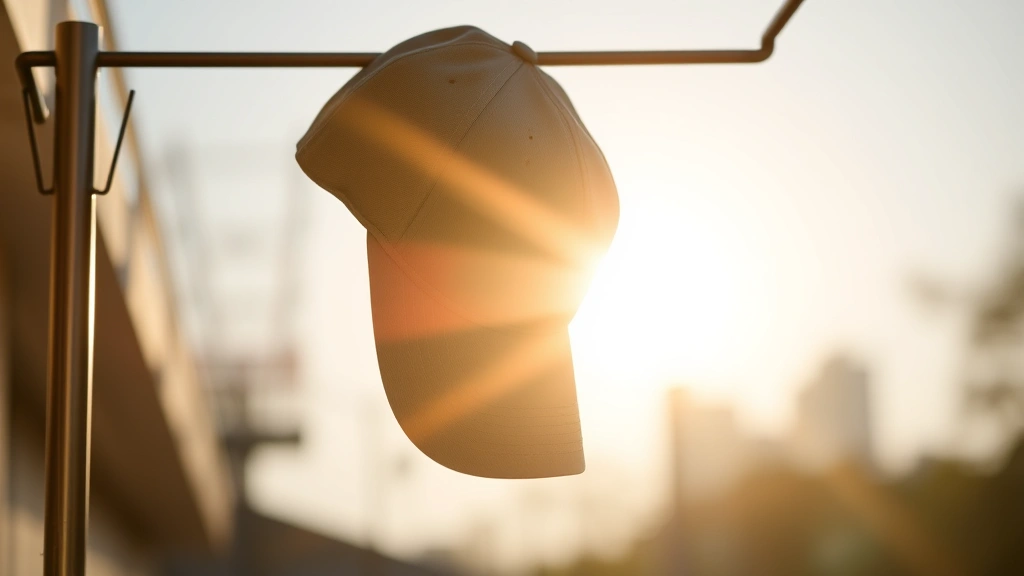
Proper drying is as important as washing for maintaining your cap’s shape and appearance. Never use a clothes dryer, as high heat damages fabrics, warps the bill, and can melt synthetic materials. Instead, gently squeeze out excess water without wringing or twisting. Lay the cap flat on a clean, dry towel or hang it on a hat rack or hook to air dry naturally.
To maintain the bill’s shape while drying, you can place the cap upside down on a clean surface or use a specialized cap drying form. These forms, available inexpensively online, help caps maintain their shape during the drying process. If you don’t have a form, you can improvise using a clean bowl or container that approximates your cap’s size. Position the bill to dry in its natural curved shape rather than allowing it to flatten or distort.
Air drying typically takes 24-48 hours depending on humidity, temperature, and cap thickness. Ensure adequate air circulation to prevent moisture from lingering, which can cause mold growth or musty odors. Position the cap away from direct sunlight during drying, as UV exposure can fade colors and damage some synthetic materials. Once completely dry, you can store the cap in a cool, dry location away from direct light.
Advanced Cleaning for Delicate Materials
Wool, leather, suede, and other premium materials require specialized approaches that differ significantly from standard cotton or polyester cleaning. For wool caps, use only cool water and mild soap specifically designed for wool, such as woolite or similar products. Never use regular detergent, which can damage wool’s delicate fibers. Soak briefly (5-10 minutes maximum) and rinse thoroughly with cool water, then reshape and air dry completely.
Leather and suede caps should never be fully submerged in water. Instead, use a damp cloth with a small amount of specialized leather cleaner to gently wipe surfaces. For scuffs or marks, leather conditioner can restore appearance and protect the material. Suede requires even more careful handling—use a soft brush designed for suede to gently remove surface dirt, and consult professional cleaners for stubborn stains.
Vintage or embroidered caps need extra caution. Embroidery thread can bleed color or fray if exposed to excessive water or agitation. Clean these caps minimally, using only spot cleaning on non-embroidered areas when possible. For embroidered sections, use a barely damp cloth and the gentlest possible touch. If your cap has significant sentimental or monetary value, professional cleaning services designed for sports memorabilia may be worth the investment.
Preventative Maintenance Strategies
The best approach to cap cleaning is prevention. Regular light cleaning prevents the need for intensive deep cleaning and extends your cap’s lifespan significantly. Brush your cap gently once weekly with a soft-bristled brush to remove surface dust and prevent dirt from embedding in fabric fibers. This simple habit, similar to the preventative maintenance approaches discussed in our comprehensive home security guide, keeps small problems from becoming major issues.
Store caps properly to prevent damage and contamination. Use a hat rack, hooks, or a dedicated storage box with acid-free tissue paper. Avoid stacking caps, which distorts their shape, and keep them away from damp areas where mold can develop. Don’t store caps in plastic bags for extended periods, as this traps moisture and promotes mold growth. A cool, dry closet or shelf with good air circulation is ideal.
Address spills and stains immediately. The longer a stain sits, the more difficult it becomes to remove. Keep a small brush and cloth handy so you can perform quick spot cleaning when accidents happen. For perspiration, which is the most common cap contaminant, allow your cap to air dry completely after wearing it in hot weather before storing it away. This prevents sweat from drying into fabric fibers and becoming a permanent stain.
Consider rotating between multiple caps if you wear them daily. This allows each cap to rest and fully dry between uses, preventing moisture accumulation and extending overall lifespan. For athletic caps worn during exercise, this rotation is particularly important since sweat exposure is heavy and consistent. If you engage in activities involving the basement finishing projects or other dusty work, wearing a dedicated work cap protects your everyday caps from unnecessary soiling.
Frequently Asked Questions
Can I put my baseball cap in the washing machine?
Most baseball caps should not go in a standard washing machine. The agitation, heat, and spinning can damage the bill, distort the cap’s shape, and cause color fading or bleeding. The exception is machine-washable athletic caps specifically designed for washer use—check the care tag first. Even then, use a gentle cycle with cold water and place the cap in a mesh laundry bag for protection. Hand washing remains the safest method for virtually all caps.
What’s the best way to remove sweat stains from the sweatband?
Sweat stains are best treated with a paste of baking soda and water, applied directly to the stained sweatband and left for 15-30 minutes before washing. For stubborn stains, soak the entire cap in a solution of equal parts white vinegar and water for 30 minutes, then wash normally. Some people swear by hydrogen peroxide for sweat stains—apply it directly to the stain, let it sit briefly, then rinse thoroughly.
How do I remove mold or mildew from my cap?
Mix one part white vinegar with four parts water and spray affected areas generously. Let the solution sit for several hours or overnight, then wash the cap thoroughly with mild detergent and lukewarm water. For severe mold, consider professional cleaning services. Always ensure caps are completely dry before storing to prevent mold recurrence, and store in well-ventilated areas.
Is it safe to bleach a white baseball cap?
Bleach can be used on white cotton caps, but only as a last resort for stubborn stains. Use a very diluted solution (1 part bleach to 10 parts water) and test on an inconspicuous area first. Apply with a cloth rather than submerging the entire cap, and rinse extremely thoroughly. Never use bleach on colored caps, as it causes permanent discoloration. Oxygen-based cleaners are safer alternatives for whitening.
What should I do if my cap’s bill is bent or misshapen?
While cleaning, use a cap drying form or improvised mold to maintain proper bill shape. If your bill is already bent, you can attempt to reshape it by hand while the cap is damp after washing, then allow it to dry in the correct shape. For severely warped bills, professional restoration may be necessary. Avoid storing caps where the bill gets compressed or bent.
Can I clean my vintage or collectible cap at home?
Vintage and collectible caps often have significant monetary or sentimental value and should be cleaned with extreme caution. If the cap is valuable, professional sports memorabilia cleaning services are recommended. For less valuable vintage caps, use only minimal spot cleaning with the gentlest methods possible, avoiding full submersion and harsh chemicals. Always test any solution on a hidden area first.
How often should I clean my baseball cap?
Frequency depends on usage and environmental conditions. Caps worn daily during hot weather or exercise should be spot-cleaned weekly and fully washed every 2-3 weeks. Casual wear caps might only need monthly cleaning. Light brushing to remove surface dust can be done weekly regardless of usage level. Always clean promptly if the cap gets visibly soiled or exposed to staining substances. For the complete car cleaning approach, regular maintenance prevents major cleaning emergencies.


