How to Clean Pee Off a Mattress: Expert Proven Methods
Accidents happen—whether you’re dealing with a child’s bedwetting, a pet mishap, or an unexpected incident. The key to restoring your mattress is acting quickly and using the right cleaning approach. Urine contains uric acid crystals that can permanently damage mattress fibers and create stubborn odors if not addressed promptly. This comprehensive guide walks you through proven professional methods to eliminate urine stains and odors completely, protecting your investment and ensuring a fresh, hygienic sleeping surface.
Understanding how urine penetrates mattress materials is essential for effective cleaning. Liquid soaks through the top fabric layer into the foam or coil system beneath, where bacteria multiply and create persistent smells. Different mattress types—memory foam, innerspring, latex, or hybrid—require slightly different approaches to prevent damage while maximizing cleaning effectiveness. We’ll cover everything from immediate response protocols to deep-cleaning techniques used by professional restoration specialists.
Act Fast: Immediate Response Protocol
The first 24 hours are critical when dealing with fresh urine. Speed determines whether you can completely eliminate the problem or face months of persistent odors. Begin by removing all bedding immediately—sheets, pillowcases, mattress protectors, and comforters should go directly into the washing machine with hot water and an enzymatic laundry detergent. Don’t delay this step, as urine will continue seeping deeper into the mattress with every passing hour.
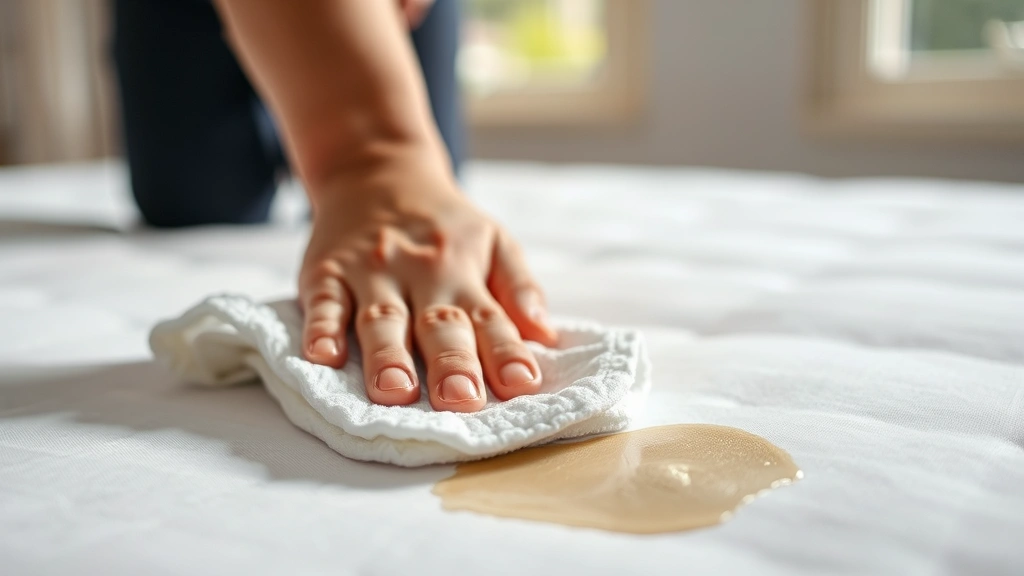
Blot the affected area with clean, absorbent towels or paper towels. Press down firmly to absorb as much liquid as possible without rubbing or spreading the stain. Use a lifting motion rather than a wiping motion, which can drive urine deeper into the mattress layers. Change towels frequently as they become saturated. This blotting step removes the majority of the liquid before it sets permanently into the foam or springs.
Never use heat during the initial response. High temperatures can set protein-based stains and actually accelerate urine odor development. Keep windows open for ventilation and avoid using heat sources like hair dryers or space heaters on the mattress area. Cold air circulation is your ally at this stage.
Blot and Extract: First Steps
Once you’ve removed excess liquid, use a wet vacuum or extraction machine if available. These devices pull liquid from deep within the mattress without adding excess moisture. If you don’t own one, many hardware stores rent extraction machines affordably. This step is equivalent to professional carpet cleaning equipment and dramatically improves results by removing urine that has penetrated beyond surface fibers.
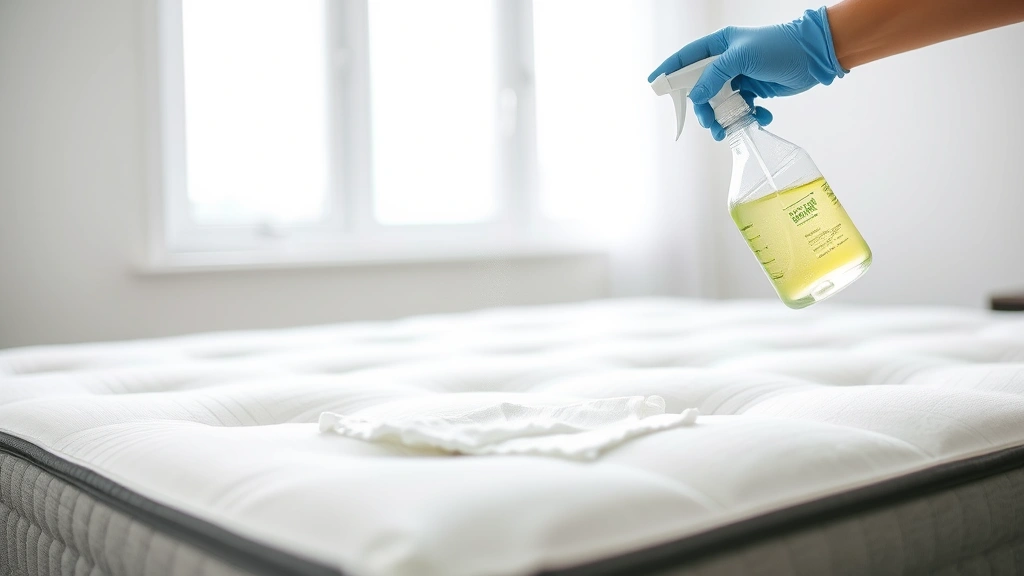
For those without extraction equipment, create a homemade extraction solution using cold water mixed with a small amount of mild dish soap. Spray lightly onto the affected area, wait 5-10 minutes for the solution to penetrate, then blot thoroughly with fresh towels. Repeat this process 3-4 times, using progressively cleaner water with each pass until towels come away dry.
The goal is removing as much moisture as possible before applying treatment solutions. A drier mattress allows cleaning agents to work more effectively and dries faster afterward. Patience during this phase prevents mold and mildew growth that can develop in damp mattresses.
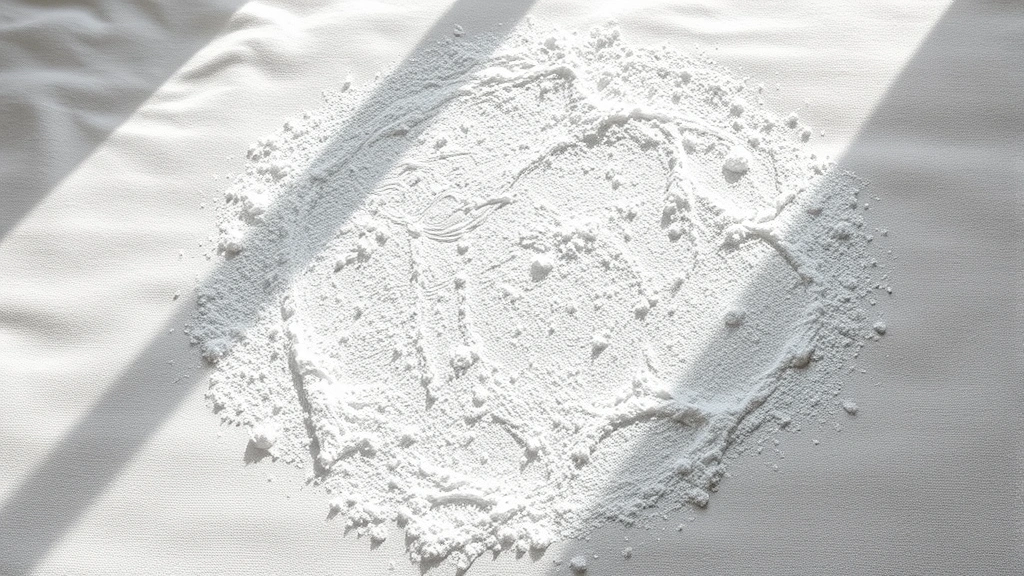
Pro tip: Sprinkle a thin layer of baking soda over the wet area immediately after blotting. Let it sit for 15-30 minutes to absorb remaining moisture and neutralize odors before applying liquid treatments. This intermediate step reduces the overall moisture load your mattress must process.
Enzymatic Cleaners: Breaking Down Uric Acid
Enzymatic cleaners are the most effective solution for urine removal because they break down the chemical compounds that cause persistent odors. Uric acid crystals remain even after the liquid dries, creating that distinctive ammonia smell. Enzymes literally digest these organic compounds at a molecular level, eliminating the problem at its source rather than just masking it.
Look for cleaners specifically formulated for pet urine or biological stains. Products containing protease and amylase enzymes work best on urine. Popular commercial options include Nature’s Miracle, Rocco & Roxie, and Enzyme-based mattress cleaners available at most pet supply stores. These products work on human urine as effectively as pet accidents since the chemical composition is identical.
Follow the product instructions carefully—typically you’ll spray the affected area generously, allow 12-24 hours for enzyme action, then blot thoroughly. The extended waiting period is crucial; enzymes need time to work. Many people make the mistake of cleaning too quickly, preventing the enzymatic breakdown from completing. Resist the urge to rush this phase.
For a budget-friendly alternative, use natural cleaning solutions by combining equal parts white vinegar and water with a few drops of liquid enzymatic laundry detergent. This DIY enzyme cleaner works similarly to commercial products, though results may be less dramatic. Apply, wait overnight, then blot and rinse thoroughly.
Baking Soda and Vinegar Method
This two-stage approach combines odor absorption with acid neutralization, addressing both moisture and smell. Baking soda is alkaline and neutralizes acidic urine compounds, while vinegar’s acidity breaks down remaining uric acid crystals. Used together sequentially, they create a powerful cleaning combination accessible to any household.
Stage 1 – Baking Soda Application: After initial blotting, generously cover the affected area with baking soda. Don’t be shy—use enough to create a visible layer. Let it sit undisturbed for 24 hours if possible, or minimum 12 hours. The longer baking soda sits, the more odor it absorbs. During this waiting period, open windows and use fans to circulate air around the mattress. Vacuum thoroughly to remove all baking soda residue.
Stage 2 – Vinegar Treatment: Mix equal parts white vinegar and water in a spray bottle. Lightly mist the same area—don’t saturate it. The vinegar will react with any remaining baking soda, creating a fizzing action that helps break down stubborn uric acid deposits. Let this sit for 2-3 hours, then blot with clean towels. The vinegar smell will dissipate as the mattress dries completely.
This method works exceptionally well for older stains or odors that have persisted despite other cleaning attempts. The combination of physical absorption (baking soda) and chemical breakdown (vinegar) addresses the problem from multiple angles. Many professional cleaners use variations of this technique as their primary method.
Hydrogen Peroxide Treatment
Hydrogen peroxide is a potent oxidizing agent that breaks down organic compounds including uric acid. It’s particularly effective for stubborn stains or dried urine that has set into the mattress. The fizzing action you see when applying hydrogen peroxide indicates chemical breakdown occurring in real-time.
Use 3% hydrogen peroxide (standard drugstore strength) for mattress cleaning—higher concentrations can damage fabrics. Mix it with a small amount of dish soap and baking soda to create a paste consistency. Apply this mixture directly to stained areas, working it gently into the fabric with a soft brush or cloth. Allow 10-15 minutes for the chemical reaction to occur, then blot thoroughly with damp towels.
For fresh, wet urine, hydrogen peroxide can be applied directly without mixing. Spray generously over the affected area and allow 5-10 minutes of contact time before blotting. You’ll see bubbling action as the peroxide oxidizes urine compounds. This visible reaction indicates effective cleaning occurring at the molecular level.
Important safety note: Test hydrogen peroxide on a hidden mattress area first, as it can bleach certain fabrics. Never mix hydrogen peroxide with ammonia or bleach-based cleaners, as this creates toxic chlorine gas. Ensure excellent ventilation while using hydrogen peroxide, and keep it away from children and pets during application.
Protecting Your Mattress Long-Term
Prevention is far more effective than remediation. A quality mattress protector prevents liquid from ever reaching the mattress interior. Waterproof protectors create a barrier that allows air circulation while blocking moisture penetration. Unlike plastic covers that trap heat and moisture, modern protectors use breathable materials that maintain comfort while providing protection.
Install a protector immediately after cleaning and drying your mattress completely. Look for protectors labeled as waterproof and hypoallergenic, with deep pockets that accommodate your mattress thickness. Machine-washable protectors are essential—you can clean them regularly without removing the mattress. This single investment prevents countless future accidents from causing permanent damage.
For households with children prone to bedwetting, consider absorbent mattress pads designed specifically for this purpose. These pads sit on top of the mattress and absorb moisture before it penetrates deeper layers. They’re easily washable and replaceable, providing a practical solution for recurring accidents.
Rotate your mattress every three months and flip it if the manufacturer recommends it. This ensures even wear and helps any moisture evaporate from all areas. Good air circulation around the mattress—using a bed frame with slats rather than a solid platform—prevents moisture accumulation underneath.
When to Call Professional Cleaners
Some situations warrant professional intervention. If the urine has saturated deeply into an older mattress, if multiple accidents have occurred in the same area, or if DIY methods haven’t eliminated persistent odors after two weeks, professional restoration specialists have equipment and expertise you cannot replicate at home.
Professional cleaners use industrial-grade extraction equipment that removes moisture far more effectively than household tools. They apply specialized enzymatic treatments unavailable to consumers and have experience identifying which cleaning methods work best for specific mattress constructions. They can also assess whether the mattress has been permanently damaged and is beyond restoration.
Expect professional cleaning to cost $150-400 depending on mattress size and contamination severity. While not cheap, it’s often less expensive than replacing a quality mattress, especially if the mattress is relatively new. Request quotes from services certified by the Institute of Inspection, Cleaning and Restoration Certification (IICRC), which ensures technicians meet industry standards.
For severe contamination or persistent mold growth, you may need to replace the mattress entirely. If a mattress has been wet for extended periods or shows visible mold growth, replacement is more hygienic and cost-effective than restoration attempts. Your health and sleep quality are worth the investment in a fresh mattress.
FAQ
How long does it take to completely eliminate urine odor from a mattress?
Timeline depends on contamination severity and cleaning method. Fresh accidents treated immediately may be resolved in 24-48 hours. Older stains or deep penetration may require 2-3 weeks of repeated treatments. Enzymatic cleaners need 12-24 hours to work, so patience is essential. If odor persists after three weeks of consistent treatment, the urine may have contaminated internal foam layers requiring professional intervention or mattress replacement.
Can I use bleach to clean urine from a mattress?
Avoid bleach for mattress cleaning. It damages fabrics, creates toxic fumes when mixed with urine ammonia, and doesn’t effectively break down uric acid crystals. Enzymatic cleaners and hydrogen peroxide are safer and more effective alternatives that don’t risk fabric damage or health hazards. Bleach is appropriate for cleaning surrounding areas or washable bedding, but never directly on the mattress.
What if the urine smell returns after cleaning?
Returning odors indicate incomplete treatment. Either urine penetrated deeper than you cleaned, or uric acid crystals remain in the foam layers. Try a second round of enzymatic treatment, allowing full 24-hour contact time. If odor still returns, the mattress likely needs professional cleaning or replacement. Multiple cleaning cycles can sometimes work, but persistent problems suggest internal contamination beyond DIY remediation capability.
Is it safe to sleep on a mattress immediately after cleaning?
Wait until the mattress is completely dry before using it—typically 24-48 hours depending on climate and air circulation. Sleeping on damp mattresses promotes mold growth and can reactivate odors. Use fans and open windows to accelerate drying. If you must use the mattress sooner, place a waterproof protector and multiple layers of absorbent sheets as a barrier, but complete drying is ideal for safety and hygiene.
Can I use a steam cleaner on my mattress?
Steam cleaning can actually worsen urine problems by driving moisture deeper into the mattress while heat sets protein-based stains. Avoid steam cleaners unless specifically recommended by the mattress manufacturer. Extraction cleaning (pulling moisture out) is far more effective than steam injection. If you must use heat, do so only as a final drying step after all liquid has been removed, and only with manufacturer approval.
What’s the difference between cleaning human and pet urine?
Chemically, human and pet urine contain the same uric acid compounds and respond to identical cleaning treatments. The primary difference is volume and concentration—pet urine often contains higher ammonia concentrations, requiring slightly more aggressive enzymatic treatment. Both respond equally well to enzymatic cleaners, hydrogen peroxide, and the baking soda-vinegar method. Treatment approaches are interchangeable regardless of urine source.
How do I prevent future accidents on my mattress?
Install a quality waterproof mattress protector immediately after cleaning—this is your best defense. For children, use absorbent bed pads specifically designed for incontinence. Ensure mattresses are properly supported with good air circulation underneath. Consider using fitted plastic mattress covers under regular sheets for maximum protection, though breathable waterproof protectors are preferable for comfort. Address underlying causes like medical conditions or behavioral issues contributing to accidents.


