
How to Become a Building Inspector: Pro Tips & Steps to Launch Your Career
Building inspectors are the gatekeepers of construction safety and code compliance. They examine everything from basement finishing projects to major commercial developments, ensuring every structure meets rigorous safety standards. If you’ve developed an eye for detail through painting projects or flooring installations, a career in building inspection might be your next professional move.
This comprehensive guide walks you through the educational requirements, certification processes, and practical steps needed to become a qualified building inspector. Whether you’re transitioning from construction trades or starting fresh, you’ll discover the exact pathway to establish yourself as a trusted authority in building codes and safety compliance.

Education Requirements & Prerequisites
Before pursuing a building inspection career, you’ll need to establish a solid educational foundation. Most jurisdictions require at least a high school diploma or GED as the baseline requirement. However, the most successful building inspectors pursue additional post-secondary education in construction, engineering, or building science.
Consider enrolling in community college programs focused on construction technology, architectural technology, or building inspection. These programs typically span 1-2 years and provide foundational knowledge about building systems, materials, and codes. Many programs include hands-on laboratory work where you’ll learn to identify structural defects, electrical hazards, and plumbing issues before they become safety problems.
Beyond formal education, develop complementary knowledge by exploring topics like home security systems and structural components. Understanding how different building systems interact helps you perform comprehensive inspections later in your career.
Look for programs accredited by the International Code Council (ICC), which sets national standards for building codes and inspection practices. These accredited programs ensure you’re learning current, industry-standard practices rather than outdated methodologies.
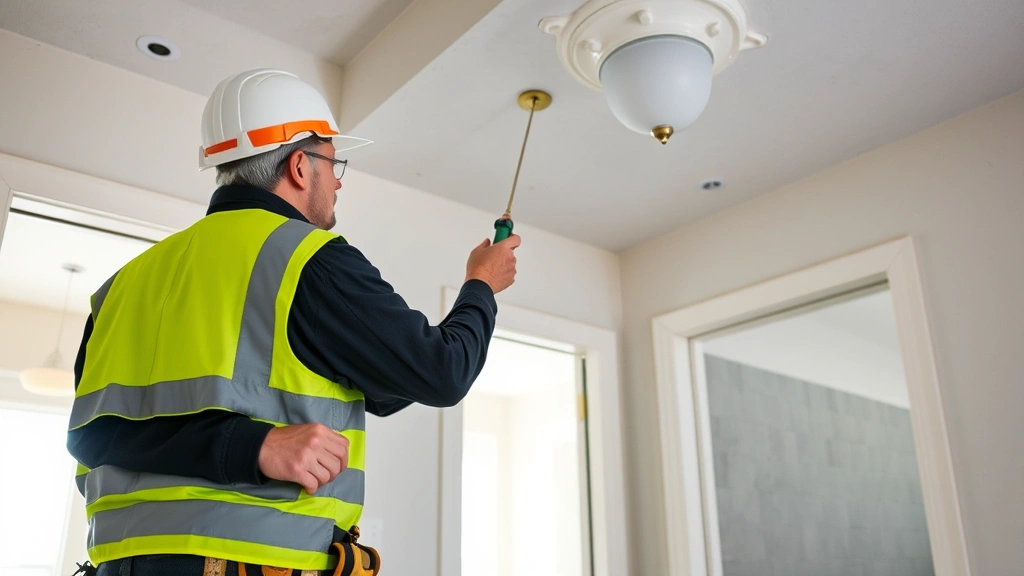
Professional Certifications & Licensing
Certification is absolutely essential for building inspector employment. The International Code Council offers the most widely recognized certifications in the industry. The primary certification you’ll pursue is the ICC Building Inspector certification, which validates your knowledge of the International Building Code (IBC) and inspection procedures.
Beyond the basic building inspector credential, consider pursuing specialized certifications depending on your career interests:
- Residential Inspector (RI): Focuses on single-family and multi-family residential properties under four stories
- Commercial Inspector (CI): Covers larger commercial and industrial structures
- Plans Examiner: Specializes in reviewing construction documents before work begins
- Fire and Life Safety Inspector: Emphasizes fire codes and emergency egress requirements
- Electrical Inspector: Requires additional electrical knowledge and certifications
- Mechanical Inspector: Covers HVAC, plumbing, and mechanical systems
Each certification requires passing a comprehensive examination. The ICC maintains testing centers nationwide, and you can schedule exams based on your preparation timeline. Certification validity typically lasts three years, requiring continuing education credits for renewal.
State and local governments may impose additional licensing requirements beyond ICC certification. Some states require state-specific exams, while others accept ICC credentials as sufficient. Research your target jurisdiction’s specific requirements before committing to a study plan.
Building Experience & Apprenticeships
Practical experience in construction trades significantly strengthens your building inspector candidacy. Most jurisdictions require 2-5 years of documented construction or inspection experience before you can apply for official inspector positions. This experience requirement ensures you understand real-world construction challenges and can identify code violations in context.
Consider starting in construction trades such as:
- Carpentry and framing (understanding structural integrity)
- Electrical work (recognizing code violations and safety hazards)
- Plumbing installation (knowing proper drain slopes, venting, and connections)
- HVAC installation (understanding ventilation and climate control systems)
- Masonry and concrete (evaluating foundation and structural soundness)
Working on projects like crown molding installation and other finish work teaches you about building materials and construction sequencing. However, prioritize roles that expose you to structural, mechanical, and safety-critical systems.
Seek apprenticeships through construction unions or contractors associations. These formal apprenticeships combine classroom instruction with paid on-the-job training. You’ll learn under experienced professionals while earning income, making apprenticeships an efficient pathway to building inspection.
Document all your experience meticulously. Keep records of projects completed, systems worked on, and supervisors who can verify your involvement. When applying for inspector positions, you’ll need to provide detailed work history documentation showing how your experience qualifies you for inspection duties.
Mastering Building Codes & Standards
Building codes form the foundation of inspection work. The International Building Code (IBC) is the most widely adopted model code in the United States. However, many jurisdictions adopt the IBC and then modify it with local amendments reflecting regional climate, seismic activity, and local building practices.
Study the following critical code documents:
- International Building Code (IBC): The comprehensive standard covering all building types and systems
- International Residential Code (IRC): Simplified requirements for residential construction up to four stories
- International Energy Conservation Code (IECC): Standards for energy efficiency in building envelopes and systems
- International Mechanical Code (IMC): Requirements for HVAC, ventilation, and combustion safety
- International Plumbing Code (IPC): Standards for water supply, drainage, and gas piping
- International Electrical Code (NEC): National Electrical Code requirements for wiring and electrical safety
Purchase physical copies of the codes most relevant to your target jurisdiction. Mark them up, highlight critical requirements, and use them as reference materials during study sessions. Many inspectors keep annotated code books throughout their careers, using them as daily references during inspections.
Understand not just the codes themselves, but the reasoning behind them. Building codes exist to protect occupant safety, structural integrity, and public health. When you understand why a code requirement exists, you can apply it more effectively and explain violations clearly to contractors and property owners.
Exam Preparation & Testing
ICC certification exams are rigorous and require systematic preparation. Most exams contain 80-100 questions covering code knowledge, application scenarios, and inspection procedures. You’ll have 2-3 hours to complete the exam, and you need to achieve approximately 75% to pass.
Develop a structured study plan at least 3-4 months before your exam date:
- Month 1: Read through the applicable code books systematically, taking notes on critical sections
- Month 2: Complete practice exams and review weak areas with focused study
- Month 3: Take additional practice exams, review code references, and build confidence
- Week Before: Review high-priority topics and take a final practice exam
Use ICC-approved study materials and practice exams. The ICC website offers official study guides and practice tests that closely mirror the actual exam format. Many community colleges and continuing education providers offer exam prep courses specifically designed for building inspector certifications.
When taking the actual exam, manage your time carefully. Read each question completely before selecting an answer. Don’t overthink questions—your first instinct is often correct. Flag difficult questions and return to them after completing easier ones.
If you don’t pass on your first attempt, don’t be discouraged. Many successful inspectors require multiple attempts. Review your weak areas, study more thoroughly, and retake the exam. Each attempt provides valuable feedback about your knowledge gaps.
Understanding Inspection Types & Specializations
Building inspectors typically perform several inspection types throughout their careers. Understanding these different inspection categories helps you identify specialization interests and career development paths.
Plan Review Inspections occur before construction begins. You’ll examine architectural and engineering drawings, checking that proposed construction complies with applicable codes. This requires excellent visualization skills and the ability to identify problems in two-dimensional representations before they become three-dimensional construction errors.
Foundation and Framing Inspections happen early in construction. You’ll verify that excavation depth meets code requirements, concrete strength matches specifications, and framing properly supports loads. These inspections are critical because foundation and framing problems become invisible once walls are closed.
Rough-In Inspections occur after electrical, plumbing, and HVAC systems are installed but before walls are closed. You’ll verify that systems meet code requirements, are properly installed, and won’t create safety hazards once covered.
Final Inspections occur when construction is substantially complete. You’ll verify that all systems function properly and meet code requirements. Final inspections often include testing smoke detectors, checking door operation, and verifying safety features are installed correctly.
Career Path & Advancement Opportunities
Building inspection offers diverse career pathways and advancement opportunities. Most inspectors begin with municipal building departments, working under a chief inspector or inspection supervisor. These positions provide steady employment, benefits, and exposure to diverse project types.
As you gain experience, advance to senior inspector, inspection supervisor, or chief inspector positions. These roles involve supervising other inspectors, managing inspection departments, and setting inspection policies and procedures. Leadership positions typically require 10+ years of inspection experience and advanced management skills.
Alternative career paths include:
- Third-Party Inspector: Work for private inspection companies serving architects, engineers, and contractors
- Quality Assurance Inspector: Inspect construction for specific contractors or developers
- Insurance Inspector: Evaluate properties for insurance companies and risk assessment
- Code Official: Advance to chief code official positions managing entire departments
- Consultant: Provide expert consulting services for construction disputes and code compliance questions
Continue your education throughout your career. The ICC offers advanced certifications, and many states require continuing education hours for license renewal. Stay current with code changes, attend industry conferences, and maintain professional memberships in associations like the International Association of Building Officials.
Building inspection experience translates well to related fields. Many inspectors transition to code consulting, construction management, or real estate development using their inspection expertise and code knowledge. This flexibility provides long-term career security and advancement options.
Frequently Asked Questions
What’s the typical salary for building inspectors?
Building inspector salaries vary by location, experience, and employer type. According to the U.S. Bureau of Labor Statistics, the median annual wage for construction and building inspectors is approximately $62,000, with experienced inspectors in high-cost areas earning $90,000+. Municipal positions often offer better benefits and job security, while private inspection companies may offer higher base pay.
How long does it take to become a building inspector?
The timeline varies based on your starting point. If you already have construction experience, you might pursue certification in 6-12 months. Without construction background, plan for 2-4 years including education, apprenticeship, and experience accumulation before you’re ready for employment. The experience requirement is typically 2-5 years depending on jurisdiction.
Do I need a degree to become a building inspector?
A formal degree is not absolutely required, but it significantly strengthens your candidacy. Many successful inspectors complete high school plus technical training or apprenticeships. However, pursuing an associate degree in construction technology or building science provides competitive advantage and often satisfies experience requirement reductions in some jurisdictions.
Which ICC certification should I pursue first?
Most people start with the general Building Inspector (BI) certification, which covers the broadest range of construction types and systems. This foundation helps you decide whether to specialize in residential, commercial, or specific systems like electrical or mechanical inspection.
How often must I renew my building inspector certification?
ICC certifications are valid for three years and require renewal through continuing education. Most jurisdictions require 24 continuing education hours for three-year renewal periods, with specific hours allocated to code updates and professional development topics.
Can I work as a building inspector without government employment?
Yes, absolutely. Many building inspectors work for private inspection companies, third-party inspection firms, or as independent consultants. These positions often pay well and provide flexibility, though they may lack the benefits and job security of municipal positions. Private inspectors typically need higher certification levels and more experience than government entry-level positions.
What skills are most important for building inspectors?
Success in building inspection requires attention to detail, strong communication skills, technical code knowledge, and the ability to make sound judgments in ambiguous situations. You’ll need physical stamina for climbing ladders and crawling through crawl spaces, plus the ability to remain objective when inspecting work by contractors and builders you may work with repeatedly.


