DIY Japanese House? Expert Insights Here
Building a Japanese-style home presents a fascinating intersection of traditional architectural philosophy and modern construction techniques. Whether you’re planning a complete renovation or adding Japanese design elements to your existing space, understanding the structural principles, materials, and building codes is essential. Japanese architecture emphasizes harmony with nature, minimalist aesthetics, and exceptional craftsmanship—principles that have guided builders for centuries and remain deeply relevant to contemporary DIY projects.
While the keyword “how to become a Japanese citizen” might seem unrelated, many homeowners pursue Japanese architectural styles as a cultural connection and lifestyle choice. Creating an authentic Japanese home environment requires more than aesthetic choices; it demands knowledge of proper construction methods, safety compliance, and structural integrity. This guide provides expert insights into the practical aspects of DIY Japanese house building, from foundational concepts to detailed implementation strategies that align with both traditional methods and modern building codes.
Understanding Japanese Architectural Principles
Japanese architecture represents a philosophy that extends far beyond decorative elements. The fundamental concept of ma (negative space) shapes how rooms flow and function, emphasizing emptiness as a design element rather than viewing it as unused space. This principle influences everything from room dimensions to furniture placement and profoundly affects how you should approach your DIY Japanese house project.
The principle of wabi-sabi celebrates imperfection, impermanence, and the beauty of natural materials in their authentic state. Rather than pursuing flawless finishes, Japanese design appreciates the patina of time and natural variations in wood grain, stone texture, and weathering. Understanding this philosophy helps you make appropriate material choices and accept the organic variations that occur during construction. When you’re painting your DIY house, consider how subtle color variations and natural finishes align with these principles.
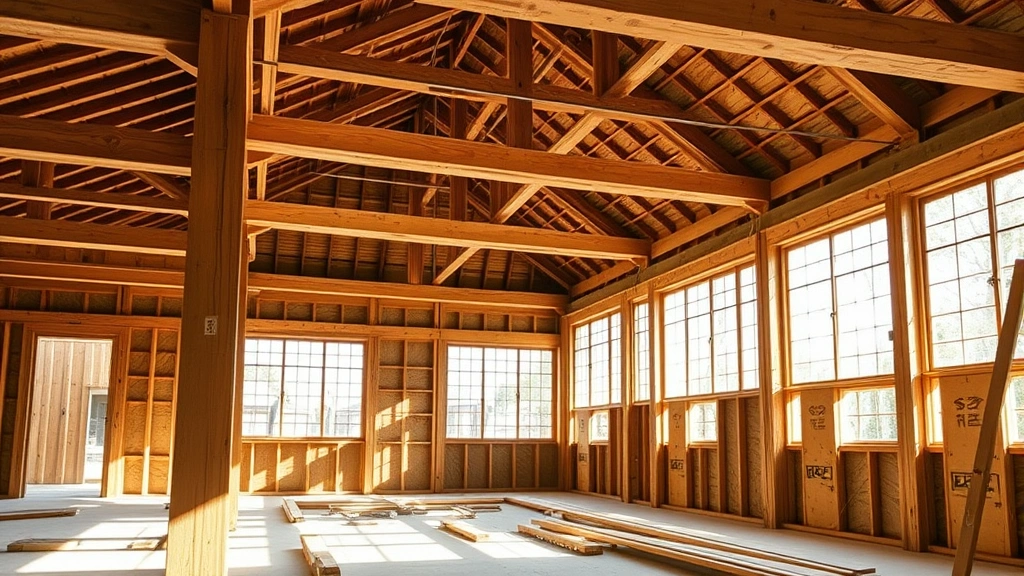
Structural simplicity paired with exceptional joinery defines Japanese building methods. Rather than relying on nails and metal fasteners, traditional construction uses intricate woodworking joints that allow structures to move slightly during earthquakes—a critical adaptation in a seismically active region. Modern building codes in most jurisdictions require different approaches, but understanding the engineering wisdom behind these traditional methods informs contemporary adaptations. The post-and-beam structure remains the foundation of Japanese design, creating open floor plans with minimal load-bearing walls and maximum flexibility.
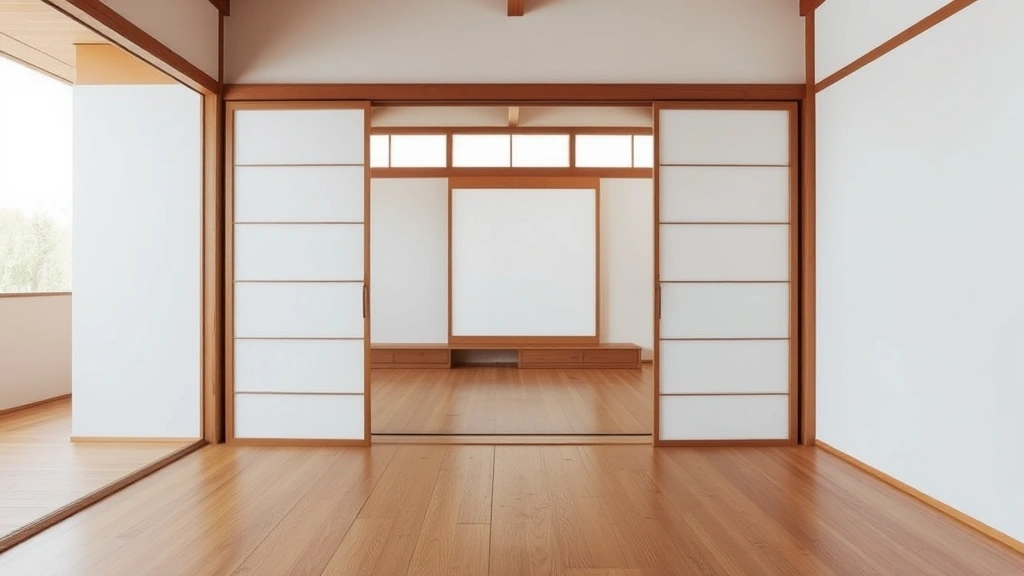
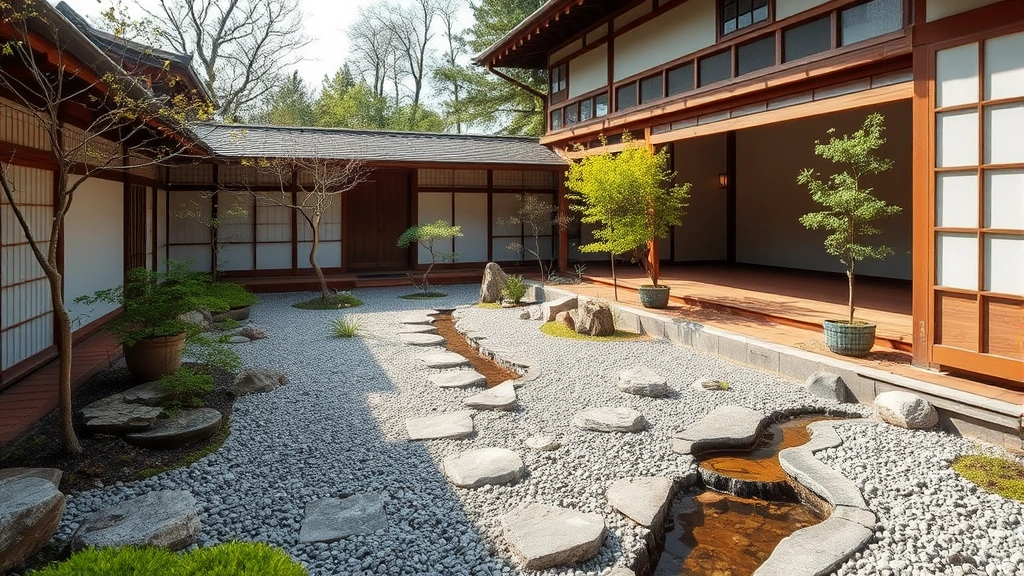
The relationship between interior and exterior spaces is fundamental to Japanese architecture. Large sliding doors (shoji and fusuma) dissolve boundaries between rooms and between the home and garden. This design strategy requires careful attention to weatherproofing, insulation, and climate control—especially important considerations for DIY builders working in non-Japanese climates. Veranda spaces (engawa) serve as transition zones that extend the home’s relationship with nature while providing functional buffer spaces.
Foundation and Structural Requirements
Japanese traditional homes typically sit on raised wooden platforms (called ji-ishi in traditional construction), but modern building codes require concrete foundations with proper moisture barriers, drainage systems, and frost protection. Your local building department will mandate specific foundation depths based on your climate zone—typically extending below the frost line to prevent heaving during freeze-thaw cycles. This foundation requirement applies regardless of your home’s architectural style and represents a critical safety and longevity investment.
Post-and-beam construction remains viable under modern codes when properly designed and engineered. This system uses larger primary structural members spaced further apart than conventional framing, creating the open floor plans characteristic of Japanese design. However, you’ll need to work with a structural engineer to ensure your design meets current seismic requirements, wind load calculations, and local building standards. The International Building Code (IBC) provides the framework most U.S. jurisdictions adopt, though local amendments often apply.
Floor systems in Japanese homes traditionally use wooden joists supporting wooden subfloors and tatami mats. Modern construction typically requires engineered floor joists, plywood subfloors, and proper ventilation underneath to prevent moisture accumulation and wood rot. The spacing, sizing, and fastening of floor joists must comply with your jurisdiction’s adopted building code. When planning your DIY flooring installation, ensure your subfloor structure meets these foundational requirements before selecting aesthetic finishes.
Roof design in Japanese architecture features overhanging eaves that provide weather protection and create distinctive visual proportions. These overhangs must be properly engineered to handle snow loads, wind uplift, and rain-driven moisture. The roof structure typically uses exposed beams (which can be aesthetic features) with rafters and collar ties that provide both structural support and visual interest. Proper ventilation between roof sheathing and roofing material prevents ice dams and moisture accumulation—critical factors for roof longevity.
Traditional Materials and Modern Alternatives
Japanese construction traditionally employs specific wood species prized for their properties and aesthetic qualities. Hinoki (Japanese cypress) provides exceptional durability and a distinctive fragrance, while sugi (Japanese cedar) offers workability and beauty. These materials are authentic but expensive and sometimes difficult to source in North America. Acceptable alternatives include white oak, Douglas fir, and other domestic woods that provide similar structural properties and can achieve comparable aesthetic results when finished appropriately.
Tatami mats represent the traditional Japanese flooring material, made from woven rush (igusa) over a rice straw core with wooden edging. These mats create a warm, textured floor surface with natural sound absorption and mild insulation properties. However, tatami requires specific humidity control (typically 40-60% relative humidity) and regular maintenance. Many DIY builders choose to install tatami in select rooms while using complementary flooring elsewhere, or select high-quality tatami-inspired alternatives that offer similar aesthetics with greater durability and moisture resistance.
Shoji and fusuma represent traditional sliding door systems that define Japanese interior spaces. Shoji features translucent rice paper or modern synthetic alternatives stretched over wooden lattice frameworks, allowing light penetration while maintaining privacy. Fusuma uses opaque paper or fabric panels over similar frames. Both systems require precision woodworking and careful installation to function smoothly. Modern alternatives include custom sliding glass doors that maintain the aesthetic while providing improved insulation and weather protection—important considerations for climates with significant temperature variation.
Stone materials in Japanese gardens and architectural features include river rocks, gravel, and slate. These elements require proper drainage design to prevent water pooling and erosion. When incorporating stone elements into your DIY project, ensure proper grading and drainage systems that direct water appropriately. Consider the maintenance implications of exposed stone—some materials require periodic sealing or cleaning to maintain appearance.
Plastering and finishing materials traditionally used clay-based products that breathed with humidity changes. Modern alternatives include lime-based plasters and modern drywall systems that provide better moisture control and fire resistance while maintaining compatible aesthetics. The choice between traditional and modern finishing materials significantly impacts your project’s cost, durability, and maintenance requirements.
Interior Design and Space Planning
Japanese interior design emphasizes functionality, minimalism, and the careful use of natural light. Rather than filling rooms with furniture, Japanese spaces feature multipurpose elements and built-in storage that maintains clean sight lines. This approach requires thoughtful planning during construction—built-in shelving, bench seating with storage underneath, and hidden closet systems should be designed and installed during framing stages rather than added afterward. Understanding spatial proportions and the architectural detailing like crown molding helps create finished spaces that feel authentically Japanese while maintaining functional modern living.
Color palettes in Japanese design typically employ neutral backgrounds—whites, soft grays, warm beiges, and natural wood tones—allowing architectural elements and natural materials to provide visual interest. This restraint creates calm, meditative spaces that age gracefully as materials develop patina. When selecting paint colors, consider how light changes throughout the day and seasons, as this dynamic relationship with light is central to Japanese aesthetic philosophy.
Natural light management through strategic window placement, shoji screens, and overhanging eaves creates visual rhythm and connection to exterior seasons. Large windows facing gardens or natural views serve functional purposes while providing psychological benefits. However, windows must be properly sized and positioned to meet egress requirements for bedrooms and emergency exits—safety codes that supersede aesthetic preferences.
Room flexibility represents a key feature of traditional Japanese homes, where sliding partitions allow spaces to transform based on needs. Modern building codes require permanent walls for bedrooms and bathrooms, but you can still incorporate sliding doors and flexible spaces in living areas. This design approach maximizes usable space while maintaining the open, flowing aesthetic characteristic of Japanese architecture.
Building Code Compliance and Permits
Building codes exist to protect occupants’ safety, ensuring structures withstand natural forces, contain fires safely, and prevent hazardous conditions. While Japanese architectural traditions predate modern codes, your DIY project must comply with current regulations regardless of style. This typically requires obtaining building permits before construction begins, submitting plans for review, and passing inspections at critical stages (foundation, framing, electrical, plumbing, and final).
Egress requirements mandate that bedrooms have emergency exits—typically windows of minimum size with clear opening dimensions. These requirements supersede aesthetic preferences; every bedroom must meet these safety standards. Hallway widths, stair dimensions, and handrail specifications are similarly mandated to ensure safe movement through the home.
Fire-rated construction may be required between dwelling units in multi-family projects or between living spaces and garages. This typically involves specific wall assemblies, door ratings, and material selections that provide measured fire resistance. Your plans reviewer will identify which fire-rated assemblies apply to your specific project.
Seismic design requirements vary by geographic location, with stricter standards in earthquake-prone regions. The International Code Council (ICC) provides technical resources, and your local building department can clarify specific requirements. Post-and-beam structures require special attention to connection details that allow the frame to move during seismic events while maintaining structural integrity.
Energy code compliance increasingly requires insulation values, window performance ratings, and air sealing standards that exceed traditional Japanese construction practices. Modern building envelopes must prevent excessive heat loss in winter and heat gain in summer. This often requires adding insulation to traditionally constructed assemblies while maintaining aesthetic authenticity—a common challenge in traditional-style modern construction.
The National Fire Protection Association (NFPA) provides standards for electrical, plumbing, and safety systems. Your jurisdiction’s adopted codes will reference these national standards, which establish minimum requirements for system design and installation. Working with licensed professionals for electrical and plumbing work ensures compliance while protecting your safety.
DIY Implementation Strategies
Successful DIY Japanese house projects typically involve hiring professionals for critical systems (structural engineering, electrical, plumbing) while homeowners handle finishing work, landscaping, and design implementation. This hybrid approach balances cost savings with safety and code compliance. Before beginning any work, obtain all required permits and have plans reviewed by your building department.
Start with a detailed site plan showing how your structure relates to property lines, setback requirements, utilities, and drainage. This foundational document guides all subsequent decisions. Work with your local building department early to understand specific requirements for your jurisdiction—code requirements vary significantly by location.
Material sourcing for authentic Japanese elements often requires specialized suppliers. Research local sources for quality wood, traditional hardware, and finishing materials. Building relationships with craftspeople experienced in Japanese joinery and finishing techniques ensures quality results. Consider your climate zone when selecting materials; what works in Japan’s temperate maritime climate may require modification for continental, tropical, or arid climates.
When tackling interior projects, the DIY basement finishing guide provides useful frameworks for planning spaces, selecting materials, and managing projects systematically. Similar organizational principles apply to Japanese-style room creation. Document your progress with photos, maintain material records, and keep all receipts and warranty information organized.
Safety considerations include proper scaffolding for elevated work, fall protection systems, electrical safety during rewiring projects, and proper ventilation when working with finishes and adhesives. Never compromise safety for aesthetic goals; safe practices and beautiful results are compatible objectives.
Consider your skill level honestly when planning which tasks to undertake personally. Finish carpentry, painting, and landscaping suit DIY efforts for most homeowners, while structural work, electrical systems, and plumbing typically require licensed professionals. This allocation of tasks maximizes your involvement while ensuring professional-quality results for critical systems.
The National Association of Home Builders (NAHB) offers resources and training for homeowners undertaking construction projects. Their publications and online resources provide practical guidance on building science, code compliance, and construction sequencing.
Document your project timeline, budget, and decision-making process. Japanese design values intentional choices made with full understanding of their implications. This thoughtful approach—whether applied to material selection, spatial planning, or construction methodology—honors the philosophical foundations of Japanese architecture while producing homes that genuinely reflect their inhabitants’ values and lifestyle choices.
FAQ
Can I build a Japanese house without professional help?
You can handle finishing work, landscaping, and design elements personally, but structural engineering, electrical systems, and plumbing require licensed professionals. Building codes mandate professional design and inspection for these critical systems. Hiring professionals for structural and mechanical systems while managing finishing work represents a practical approach that balances cost and safety.
What are the main differences between Japanese and conventional framing?
Japanese post-and-beam construction uses larger primary members spaced further apart, creating open floor plans with minimal interior walls. Conventional framing uses smaller lumber spaced closely together. Both must meet modern code requirements; the choice involves trade-offs between aesthetics, cost, and engineering complexity. Post-and-beam typically costs more but creates distinctive open spaces.
How do I ensure my Japanese-style home meets building codes?
Work with your local building department early, submit detailed plans for review, obtain permits before beginning work, and schedule inspections at required stages. Hire licensed professionals for structural, electrical, and plumbing work. Review your jurisdiction’s adopted building code—typically the International Building Code with local amendments—to understand specific requirements.
What climate considerations apply to Japanese design in non-Japanese locations?
Japanese architecture evolved for specific climate conditions. In colder climates, you’ll need enhanced insulation, smaller windows, and different roof pitches. In humid climates, ventilation and moisture management become critical. Work with local professionals who understand your climate zone’s specific requirements and can adapt traditional design principles accordingly.
Is tatami flooring practical for modern homes?
Authentic tatami requires specific humidity control (40-60% relative humidity) and regular maintenance. In many climates, this proves challenging. High-quality alternatives provide similar aesthetics with greater durability. You might install tatami in select rooms while using complementary flooring elsewhere, or choose modern alternatives that capture the aesthetic with improved practicality.
How much does a DIY Japanese house project cost?
Costs vary dramatically based on size, location, material choices, and how much work you perform personally. Professional structural engineering, permits, and licensed trades represent significant expenses regardless of style. Authentic materials and specialized craftspeople increase costs. Develop a detailed budget early and expect 15-25% contingency for unforeseen conditions.
What’s the timeline for a DIY Japanese house project?
Timeline depends on project scope, complexity, and your available time. Small renovations incorporating Japanese elements might take several months; new construction typically requires 12-24 months including design, permitting, and construction phases. Plan for inspections, material delivery delays, and weather impacts. Japanese design philosophy values patience and intentional progress—rushing compromises quality and decision-making.


